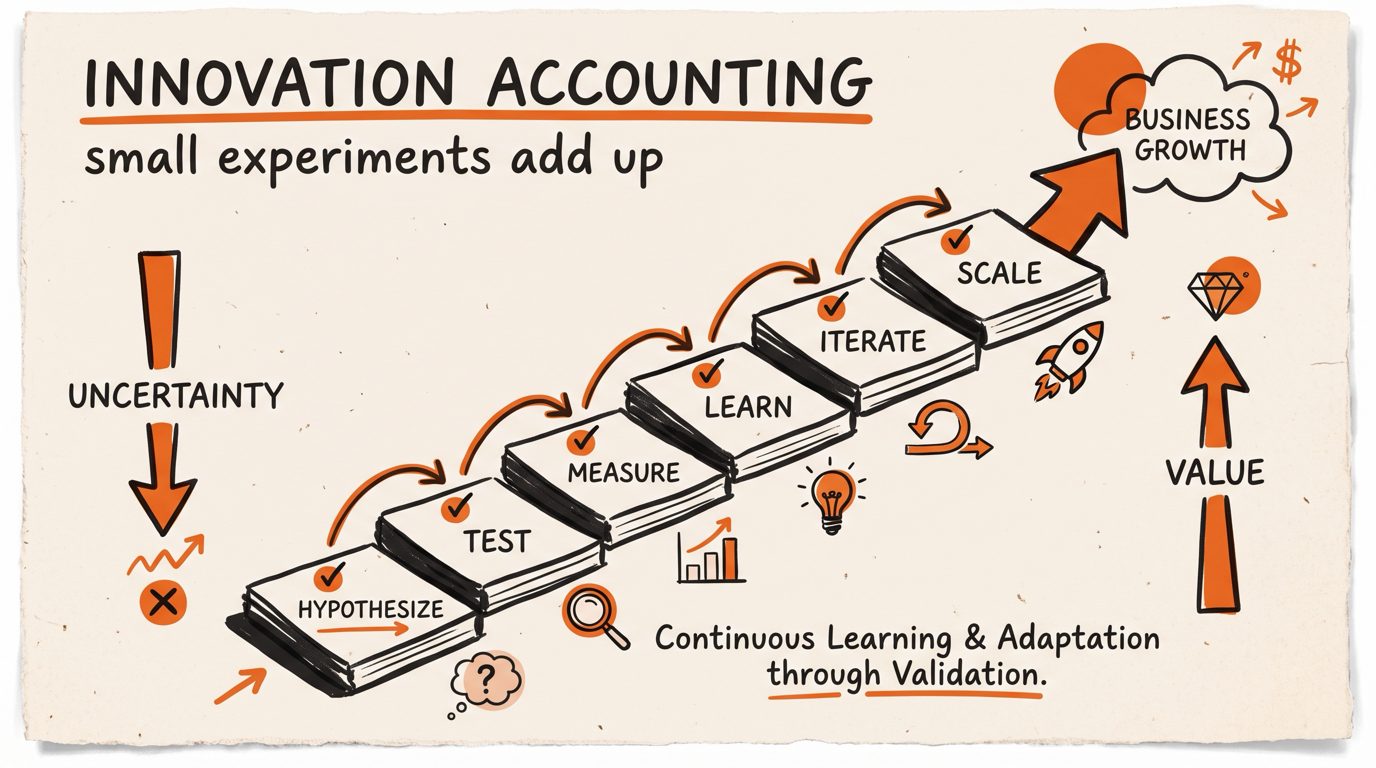
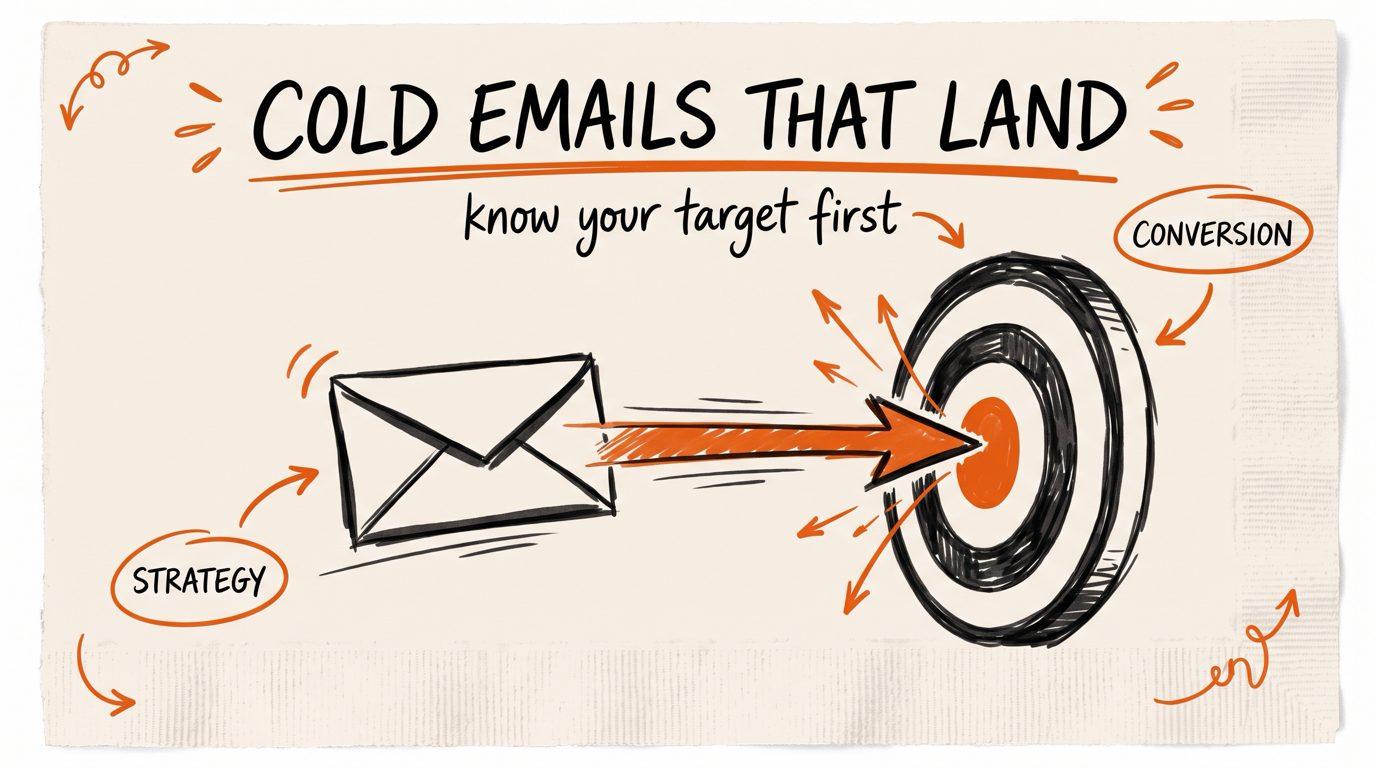
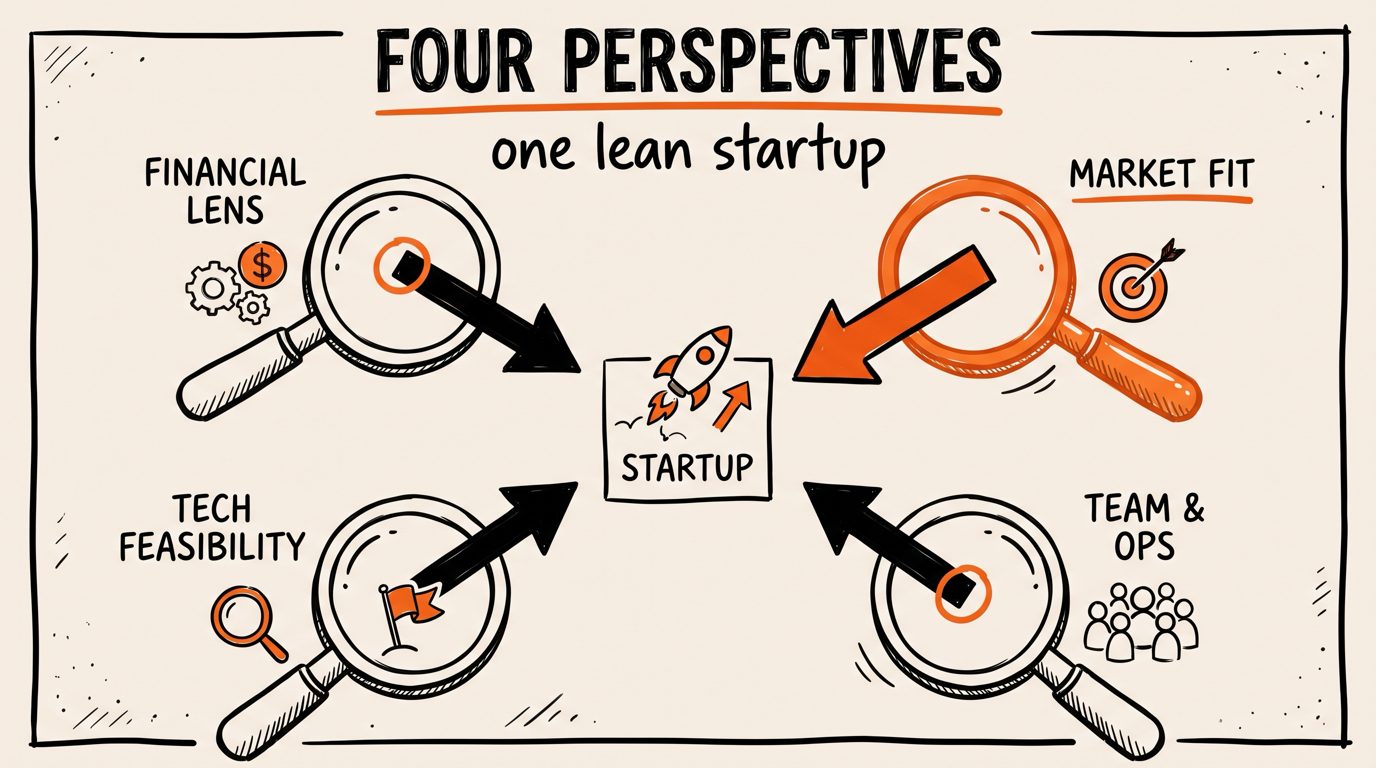
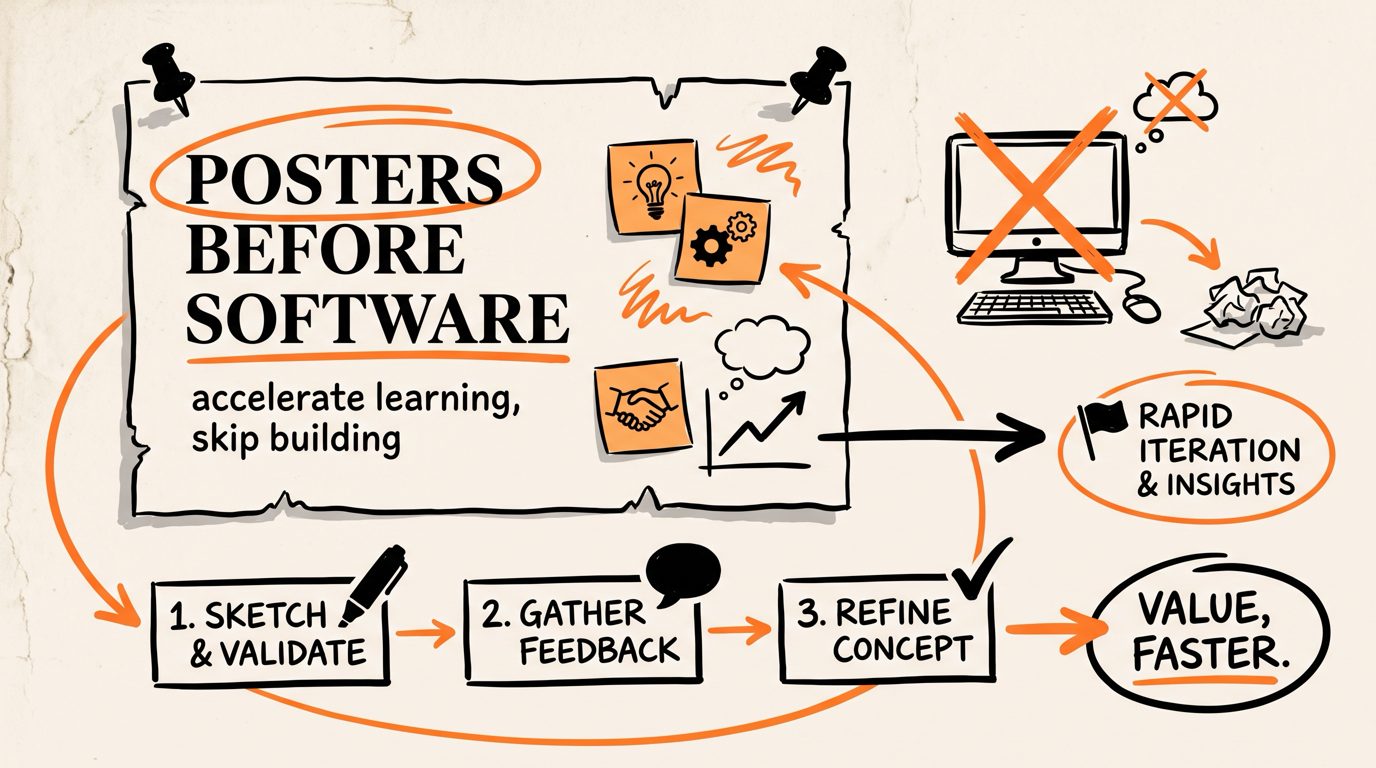
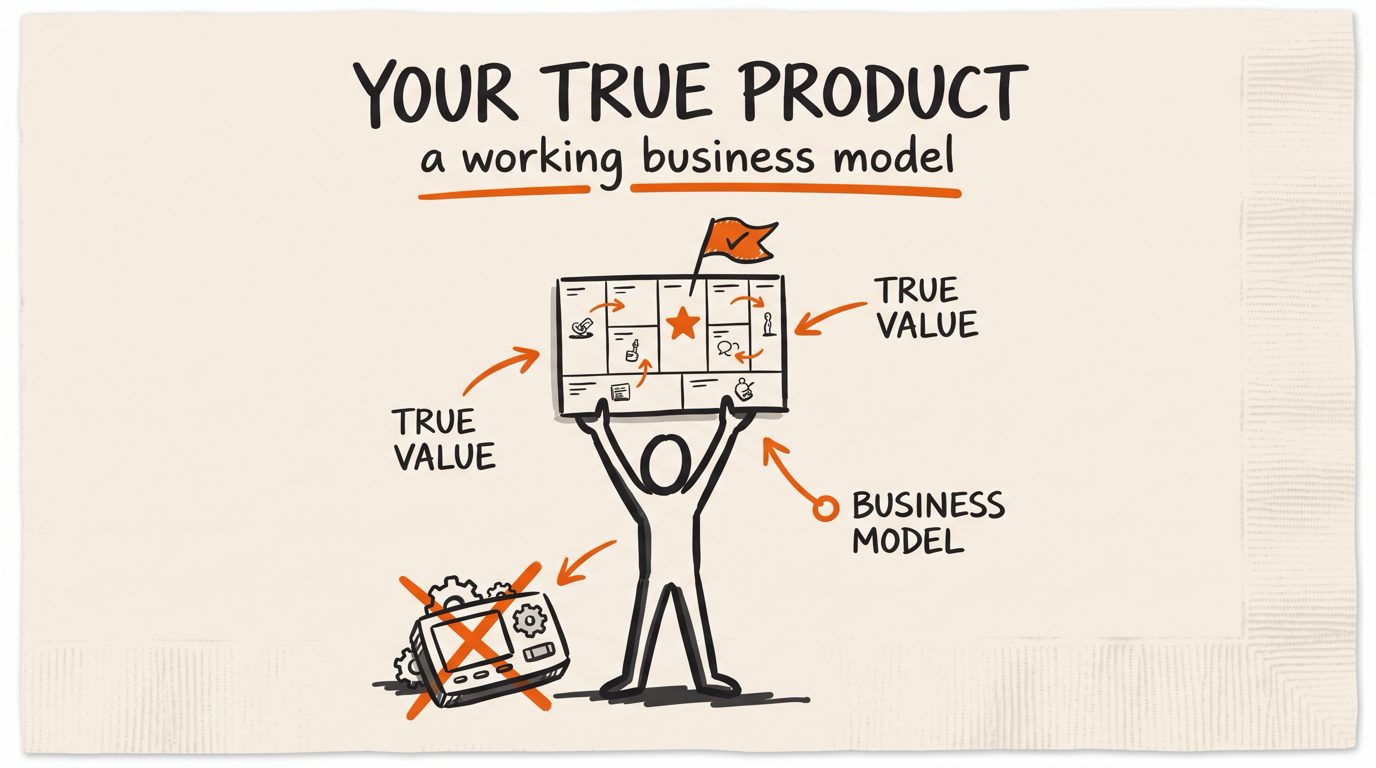
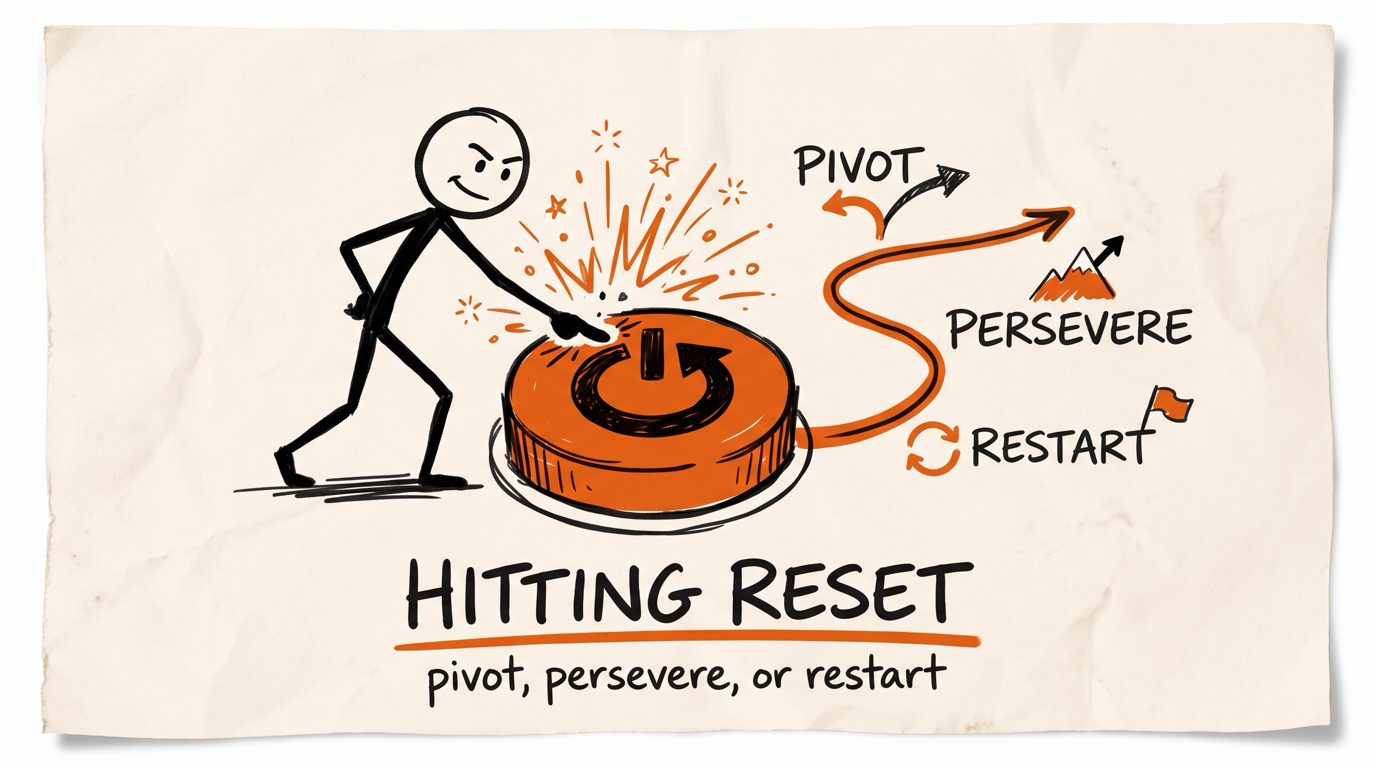
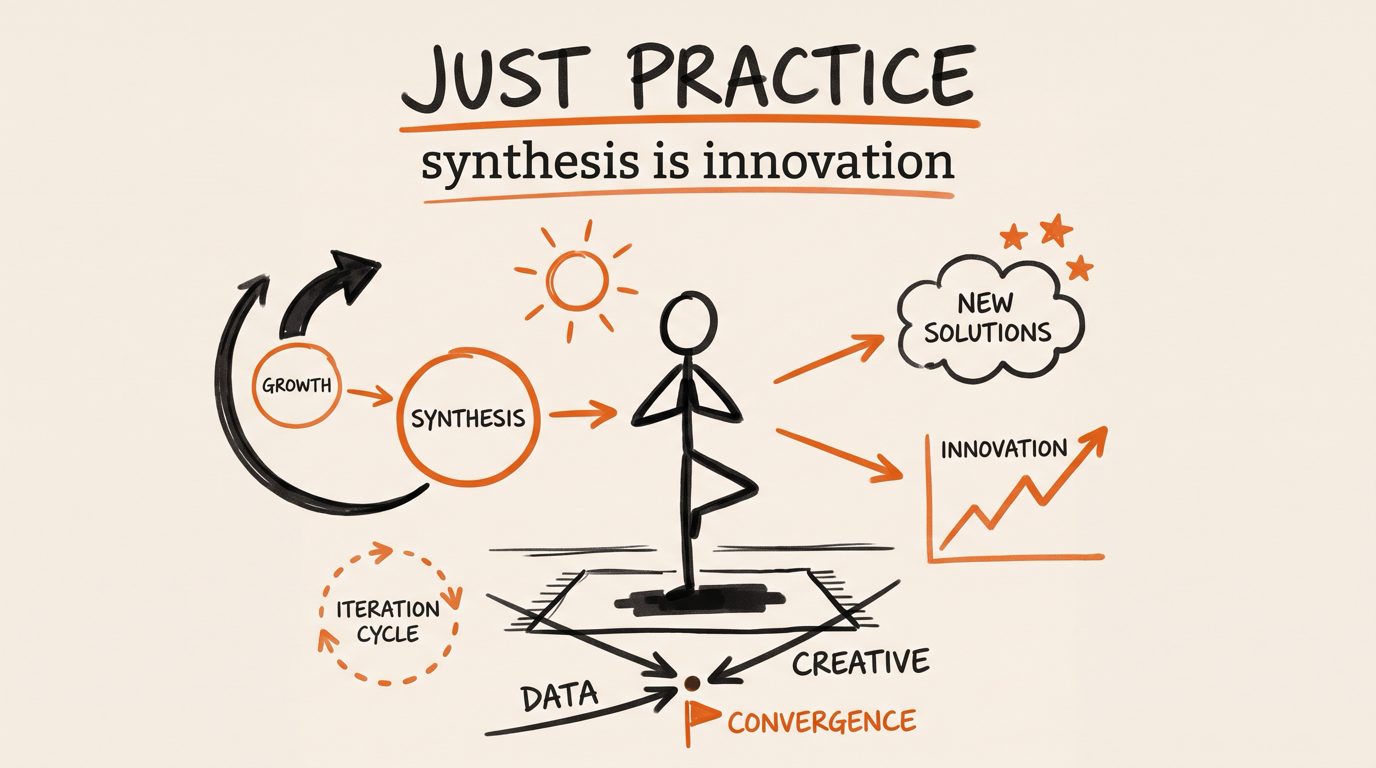
When building stops being the bottleneck, discipline becomes it. The method was never the hard part; running it every week is. Second post in Running Lean: AI Edition.
Writing
The public notebook. Everything since 2009: the posts that became Lean Canvas and Running Lean, restored, plus what I'm testing now.
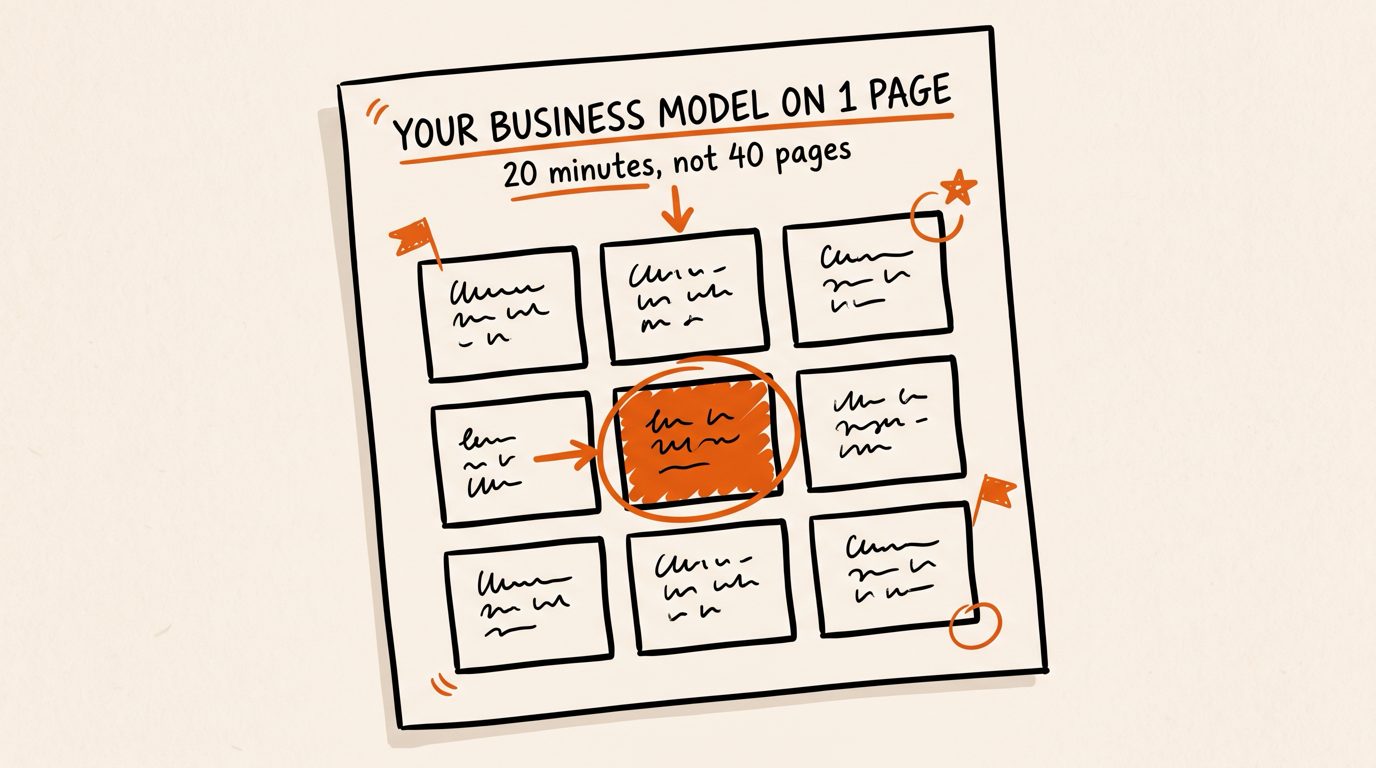
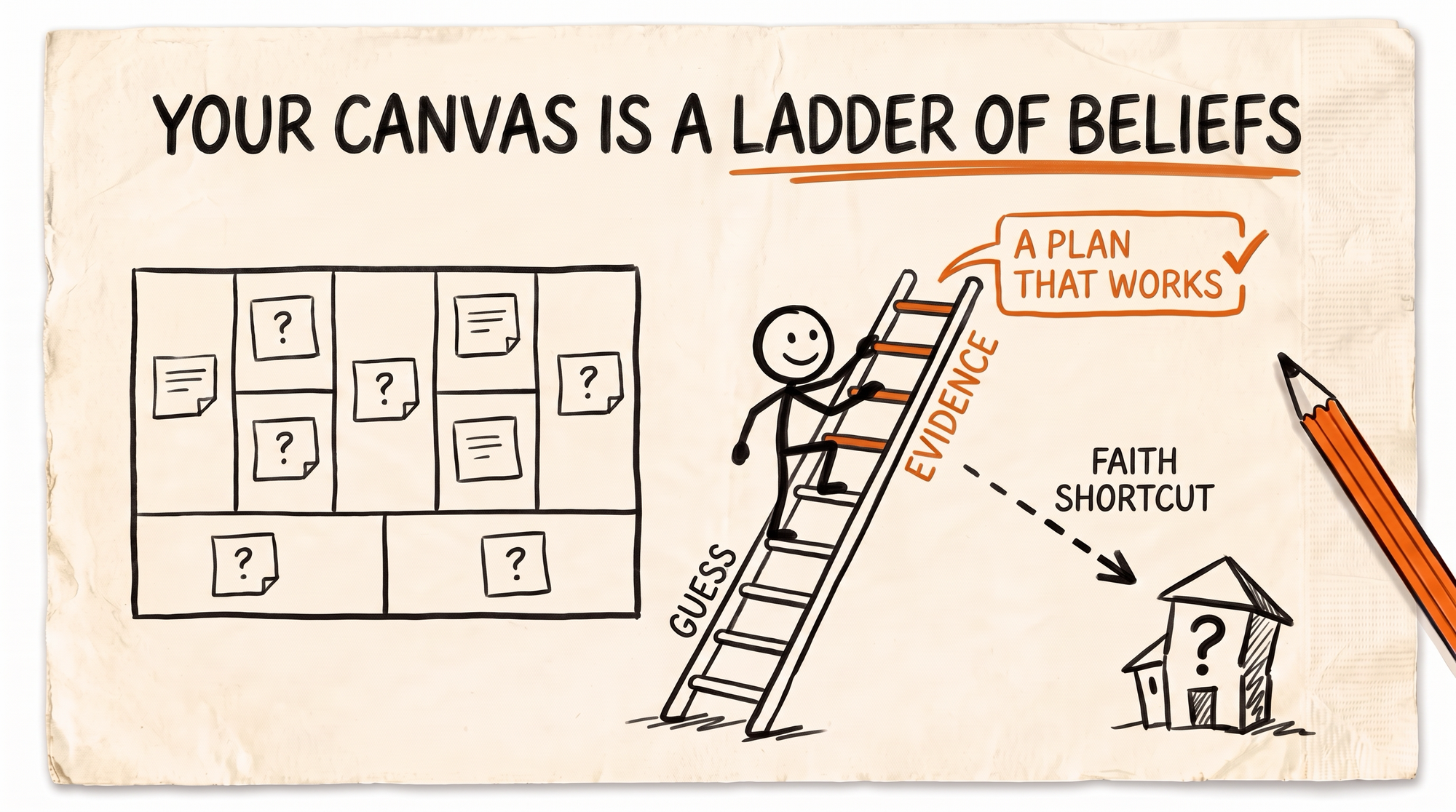 Latest Your Lean Canvas Is a Ladder of Beliefs The 20-minute canvas sketch was never meant to be a document. It's a ladder of beliefs. Third post in Running Lean: AI Edition.
 Series
2026
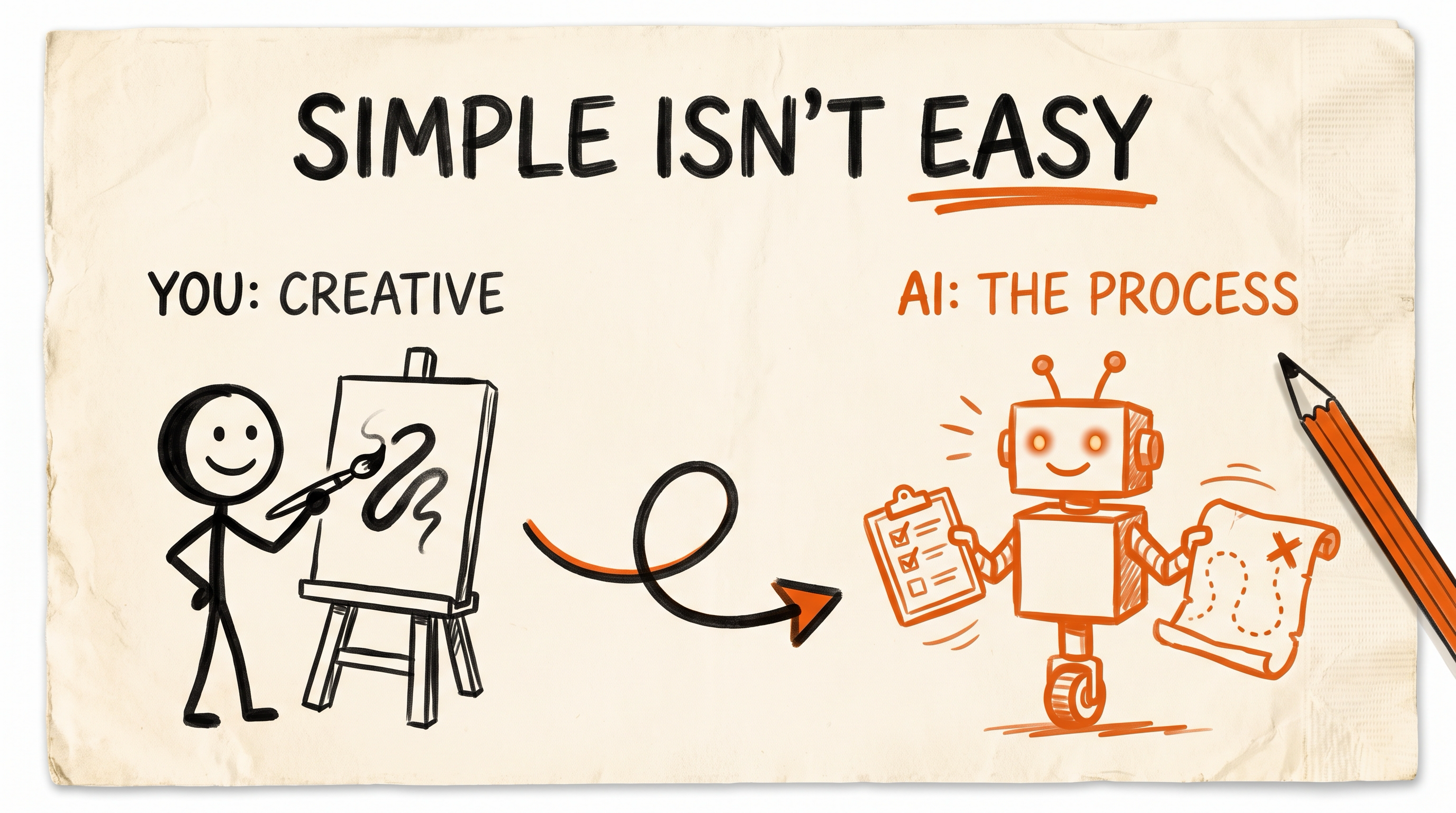
- Why Simple Isn't Easy
- How I Pressure-Test a Product Idea Before Building Anything
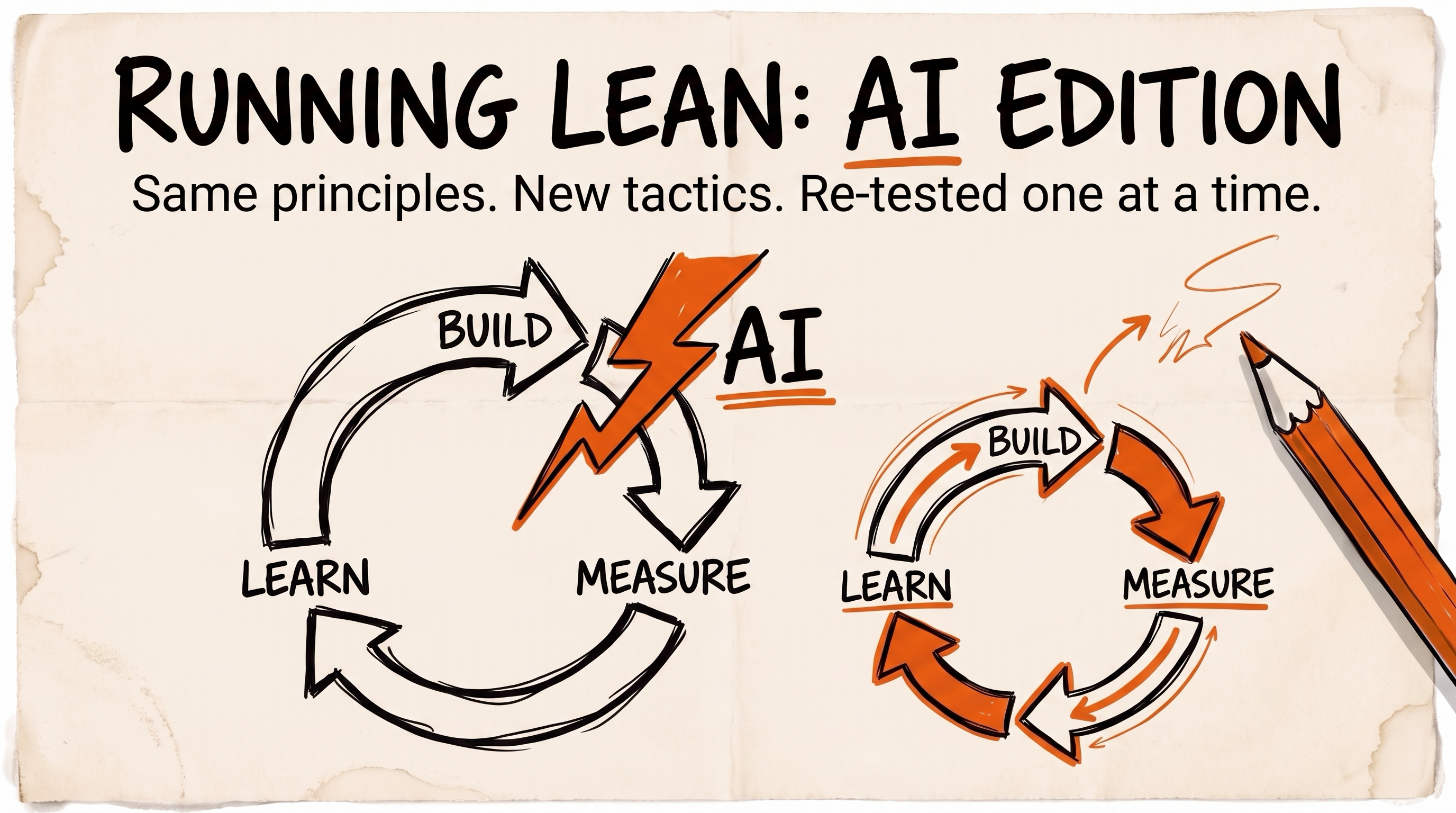
AI can build your prototype in a weekend. So do you still need validation? I already ran the control group on myself. First post in Running Lean: AI Edition.
- Welcome to the Founder Economy
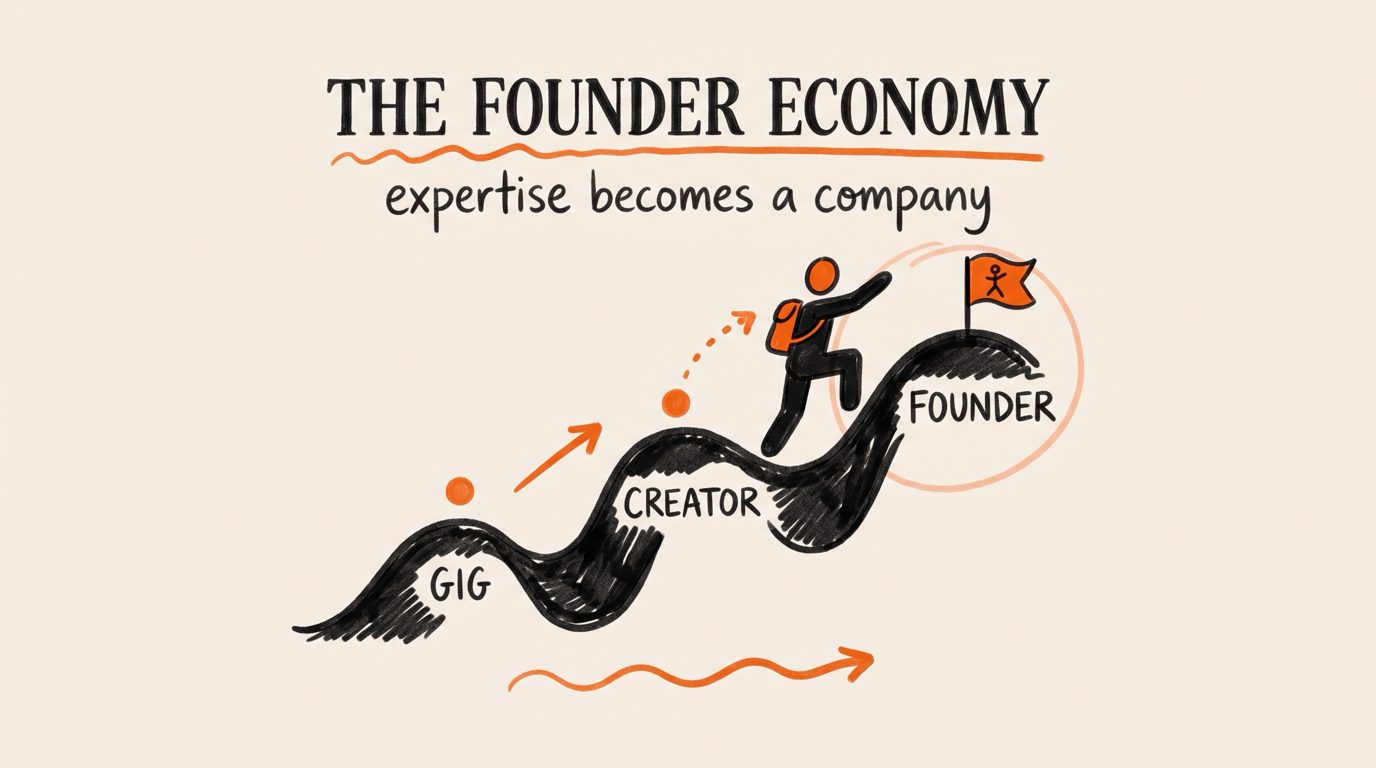
The Creator Economy turned audiences into income. The Founder Economy turns domain expertise into companies.
2025
- Why I Build for Wants, Not Needs
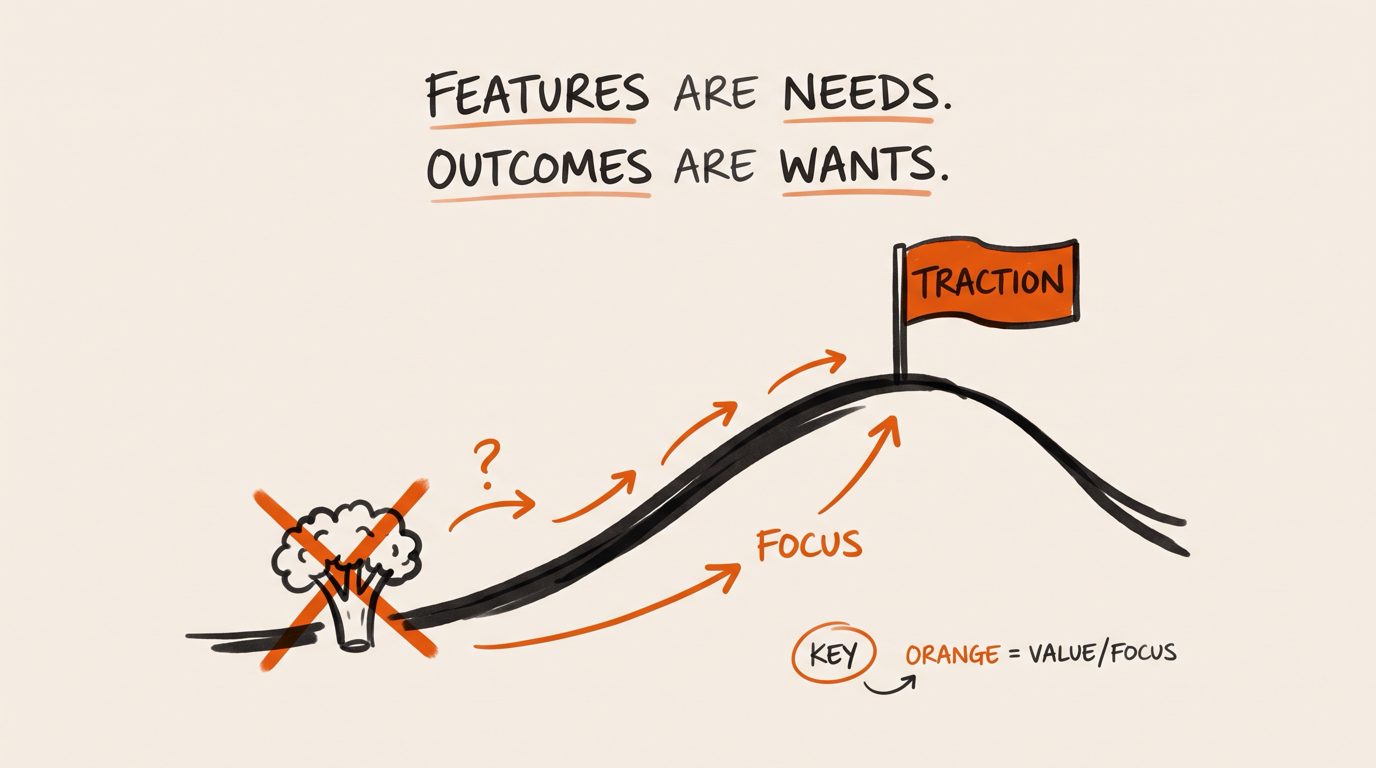
Features are needs and outcomes are wants, and customers care far more about their wants. How that one distinction shaped an entire MVP.
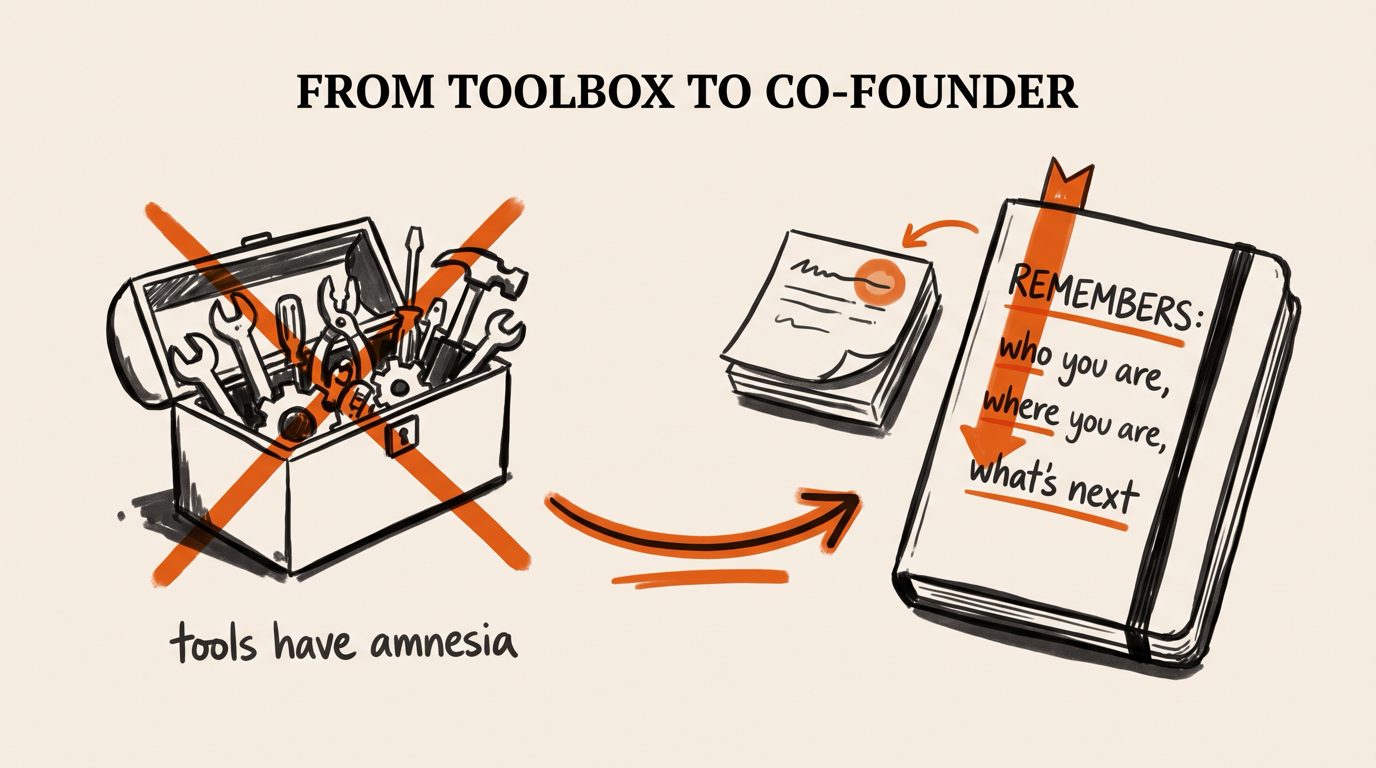
- Why I Stopped Building an AI Coaching Tool
Two months of problem discovery interviews revealed that founders were not starving for frameworks. They were drowning in tools with amnesia.
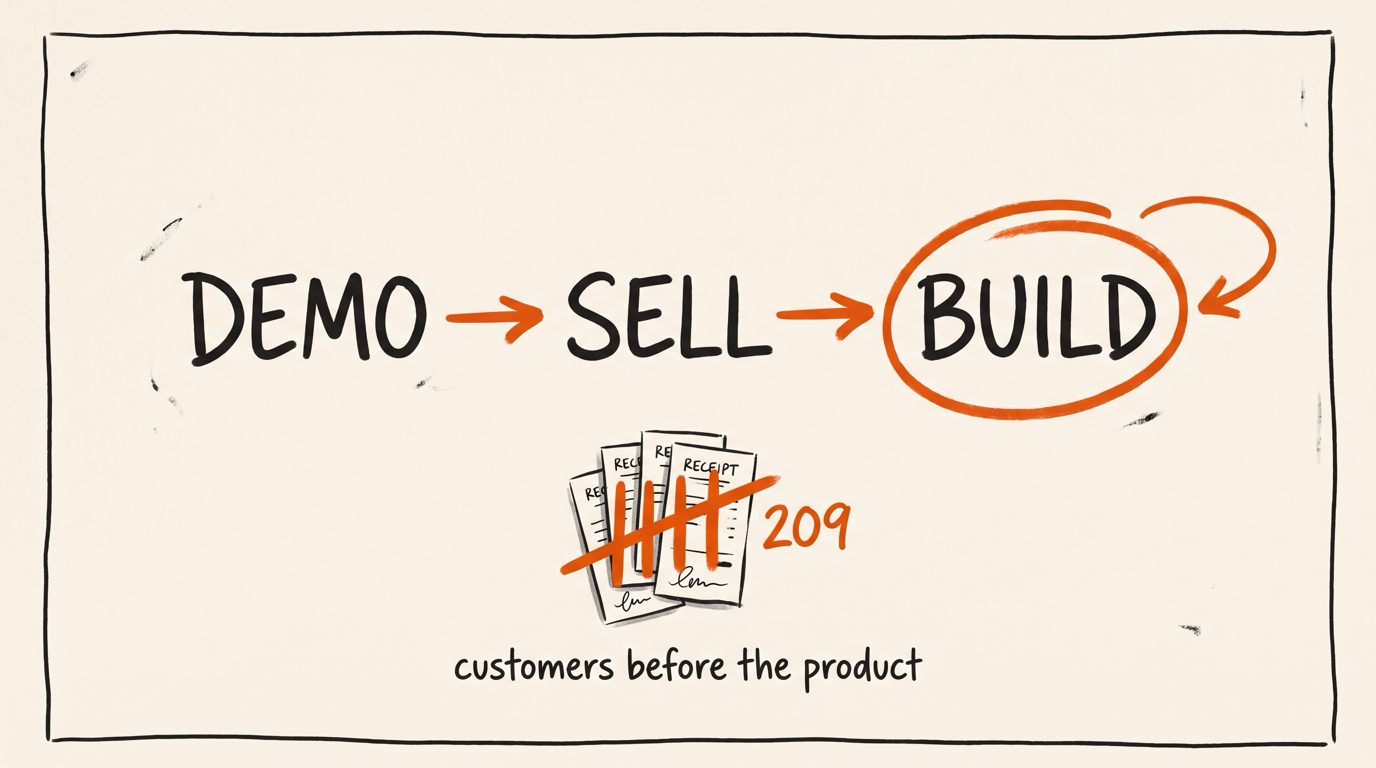
- How I Signed 209 Customers Before Building the Product
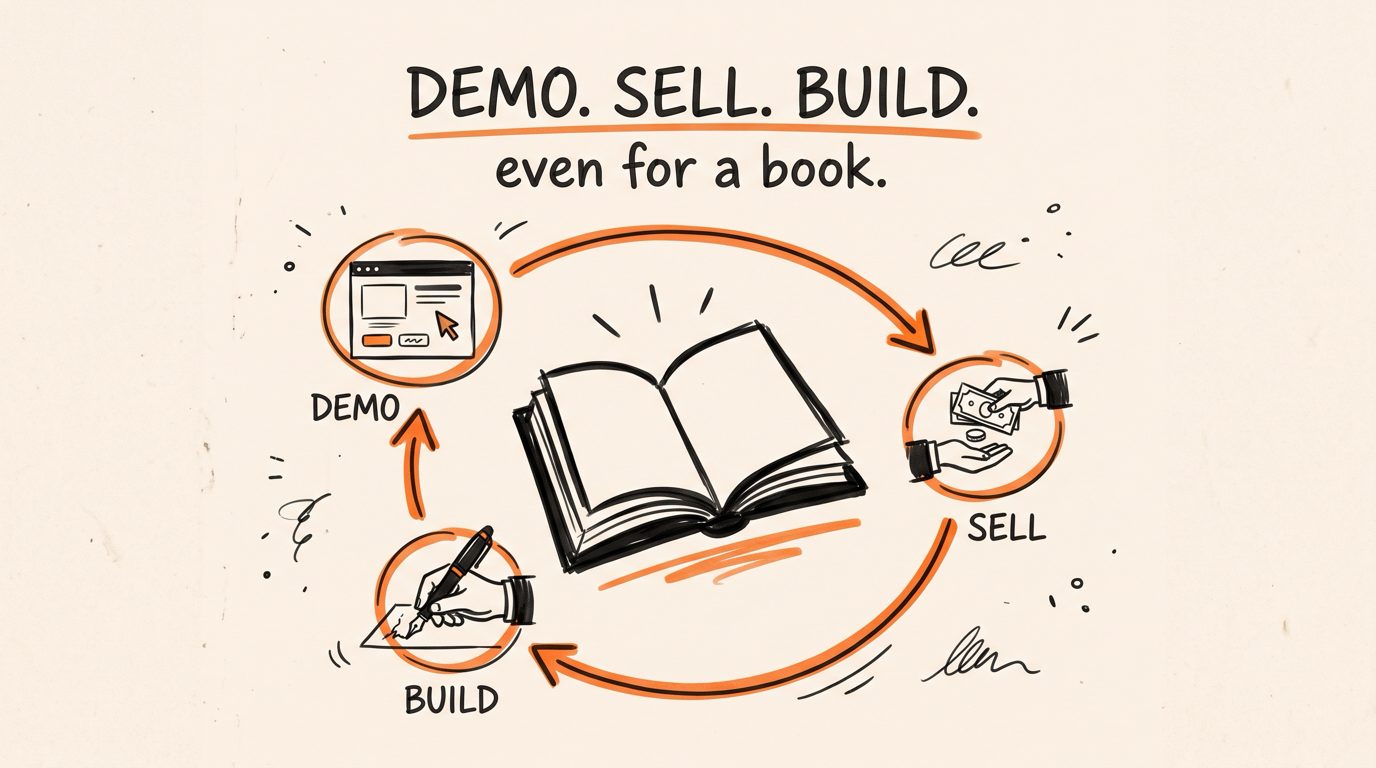
The Demo-Sell-Build campaign from the inside: a concierge MVP, a demo of software that did not exist yet, and 40 days from zero to 209 customers.
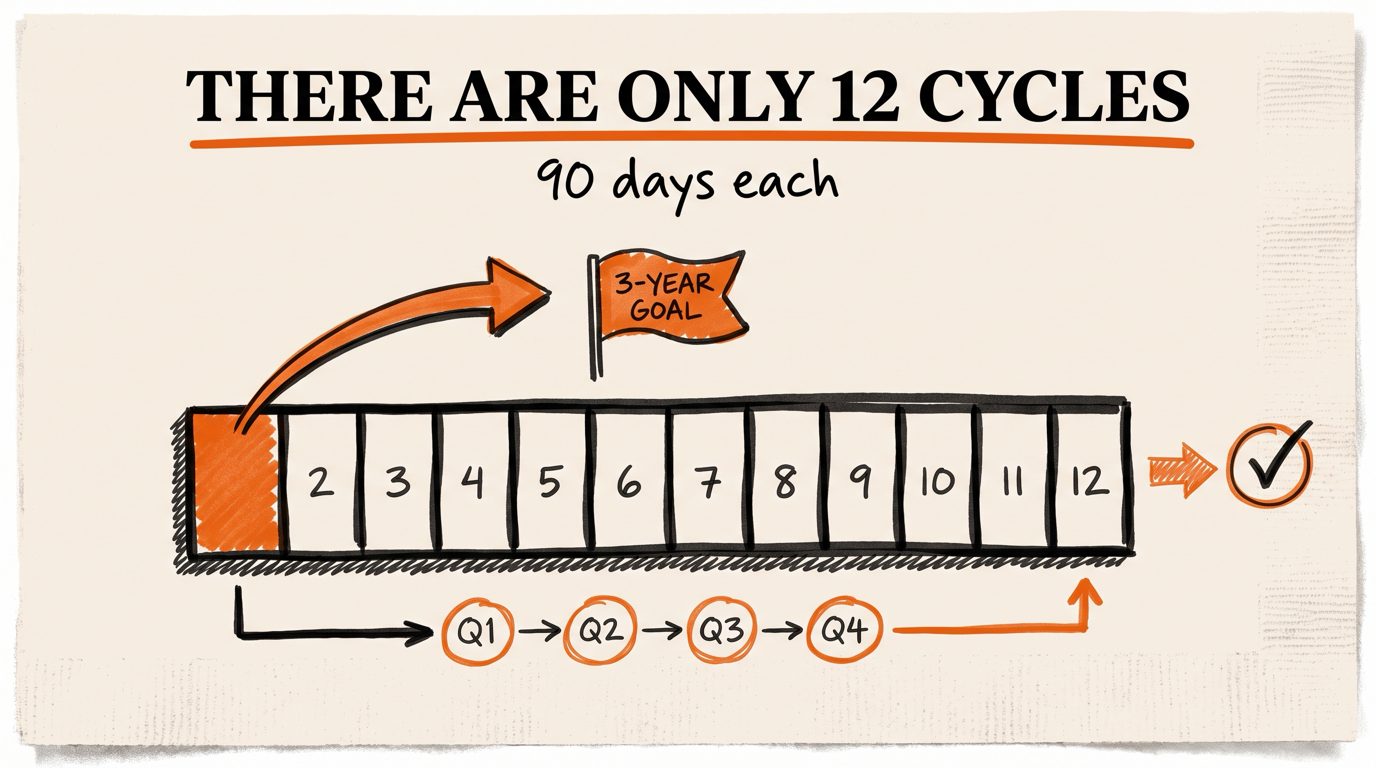
- Why I Plan in 90-Day Cycles
Your 3-year goal is too far away to drive daily decisions, and your task list does not add up to a strategy. The missing middle between them is a 90-day cycle.
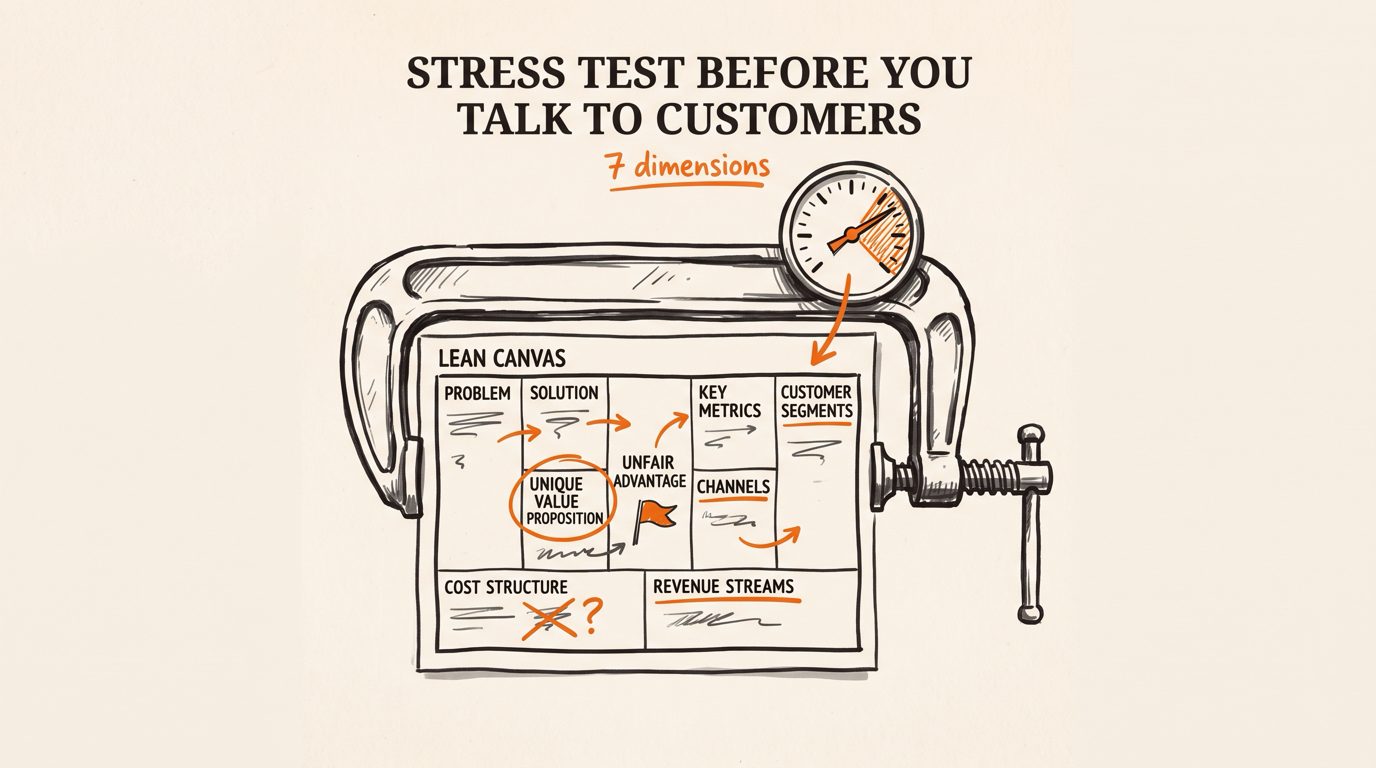
- Why I Stress Test Business Models Before Talking to Customers
An advisor once killed my business model in five minutes, nine months too late. Now I run that conversation first, across seven dimensions, before any customer hears the idea.
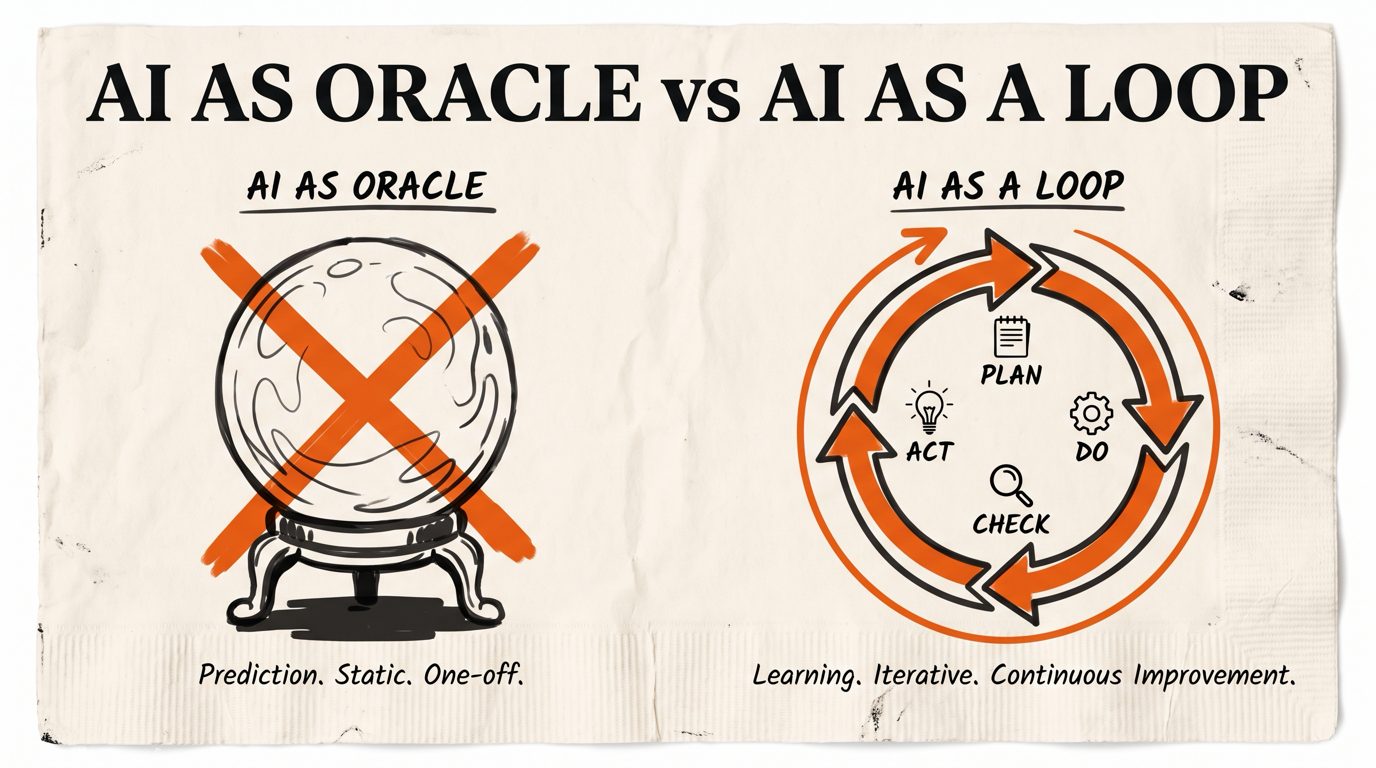
- Why I Waited Three Years to Build an AI Co-Founder
ChatGPT launched in November 2022 and I spent three years saying no. What changed my mind was not a better oracle. It was a loop.
2024
- What Startup Founders Get Wrong About Competition
When asked about competition, startup founders typically fall into two camps.
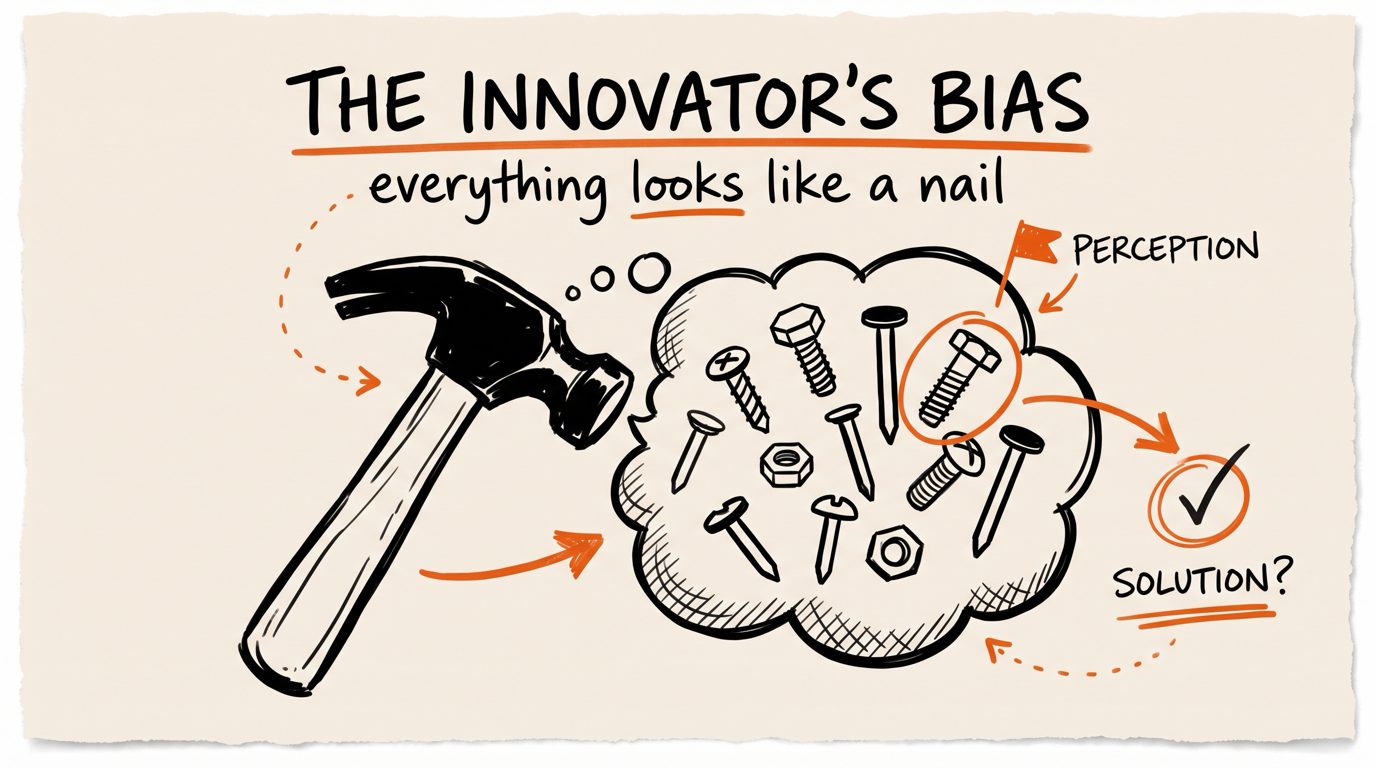
- The Myth of the Perfect Plan A
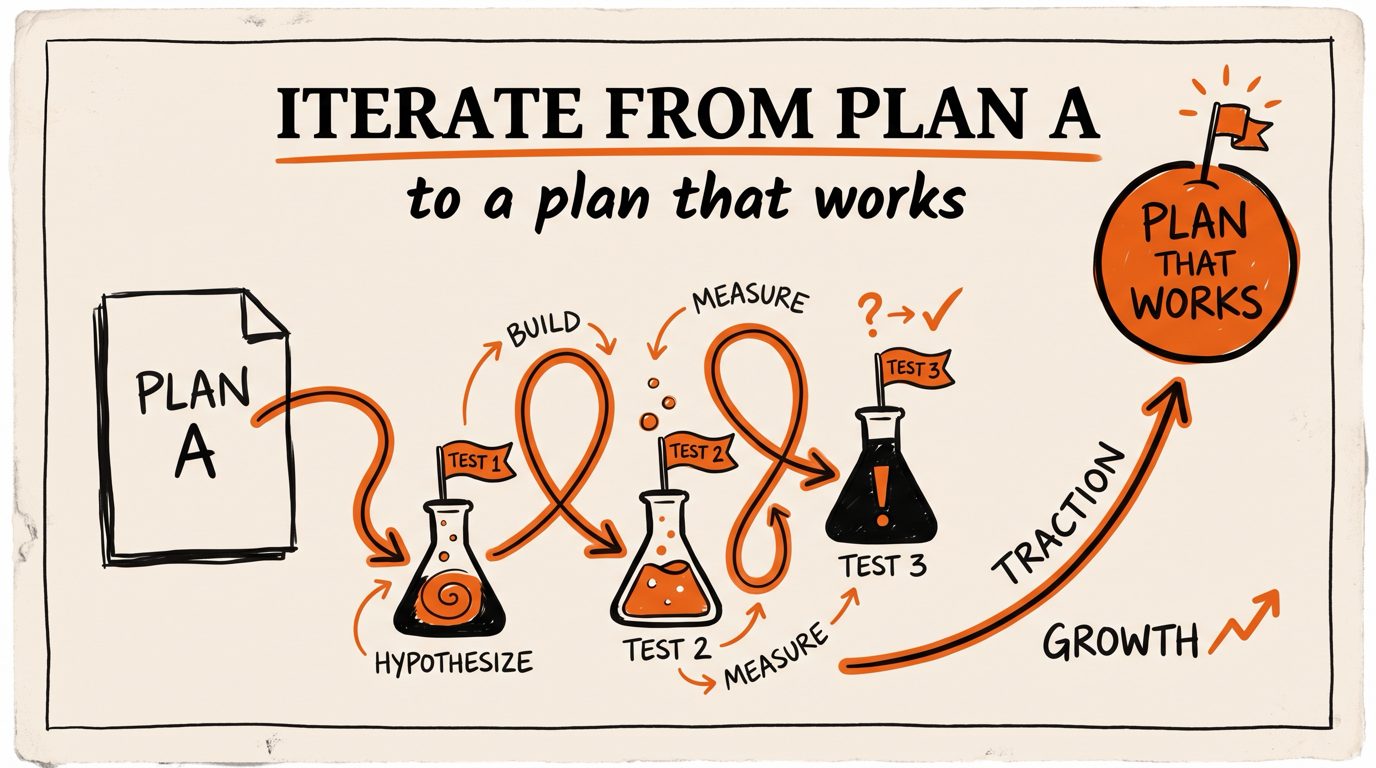
Most entrepreneurs start with a strong initial vision and a Plan A for realizing that vision. Unfortunately, most Plan A's don't work.
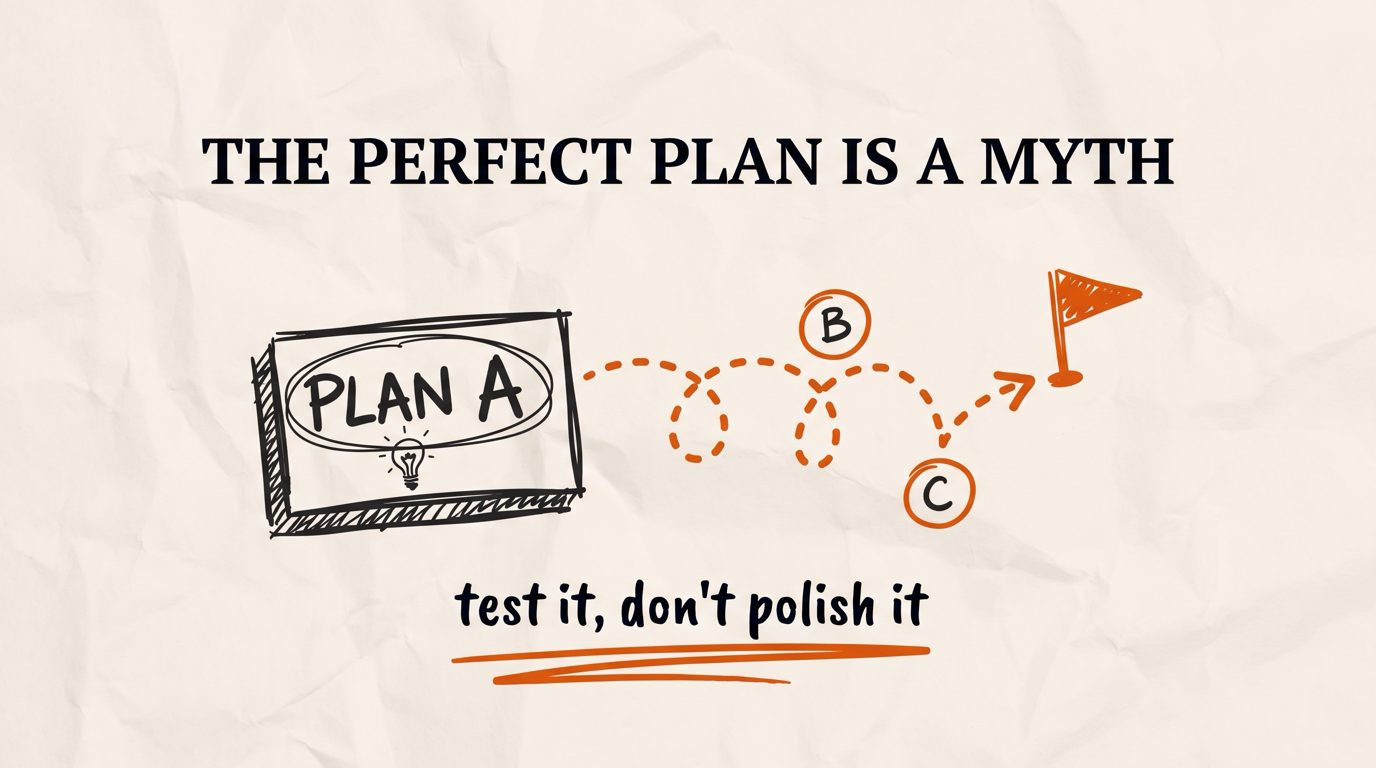
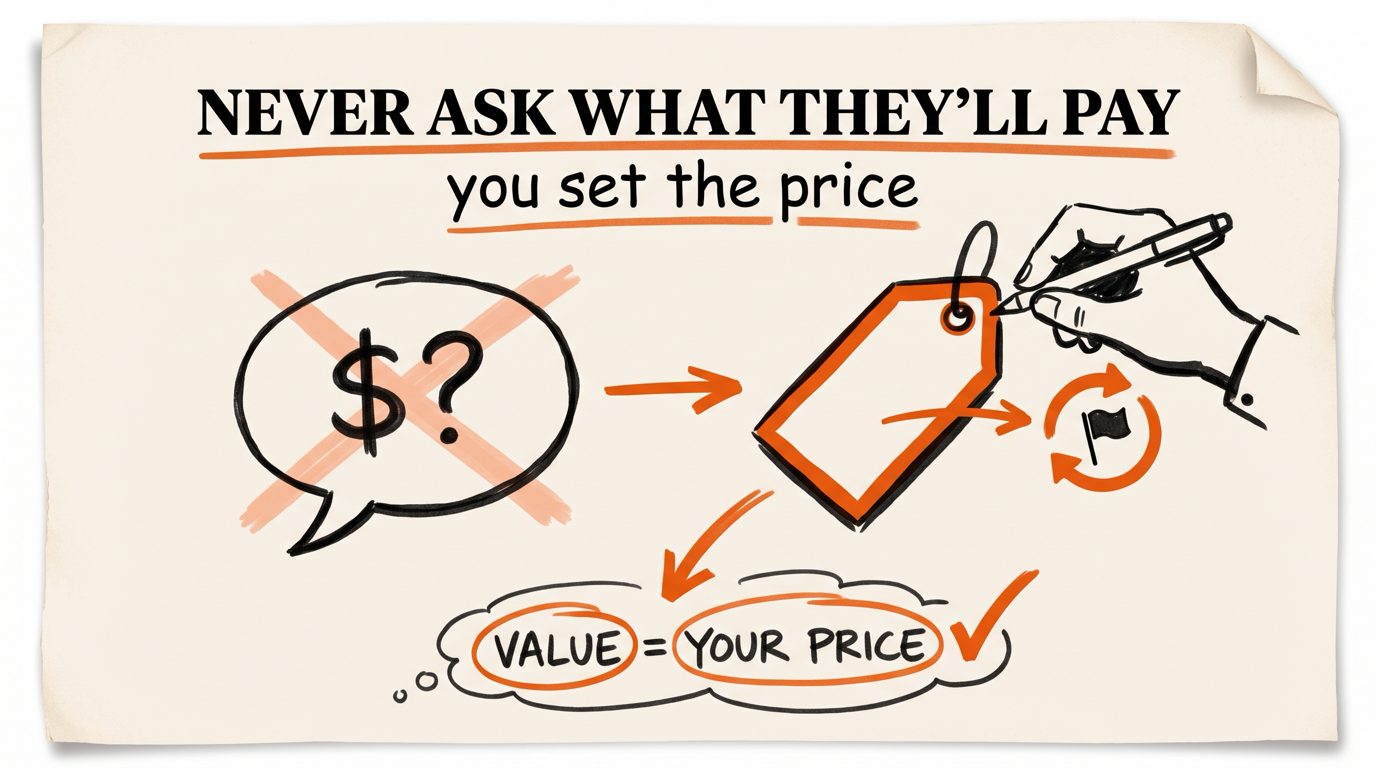
- When and How to Set Pricing for Your Product
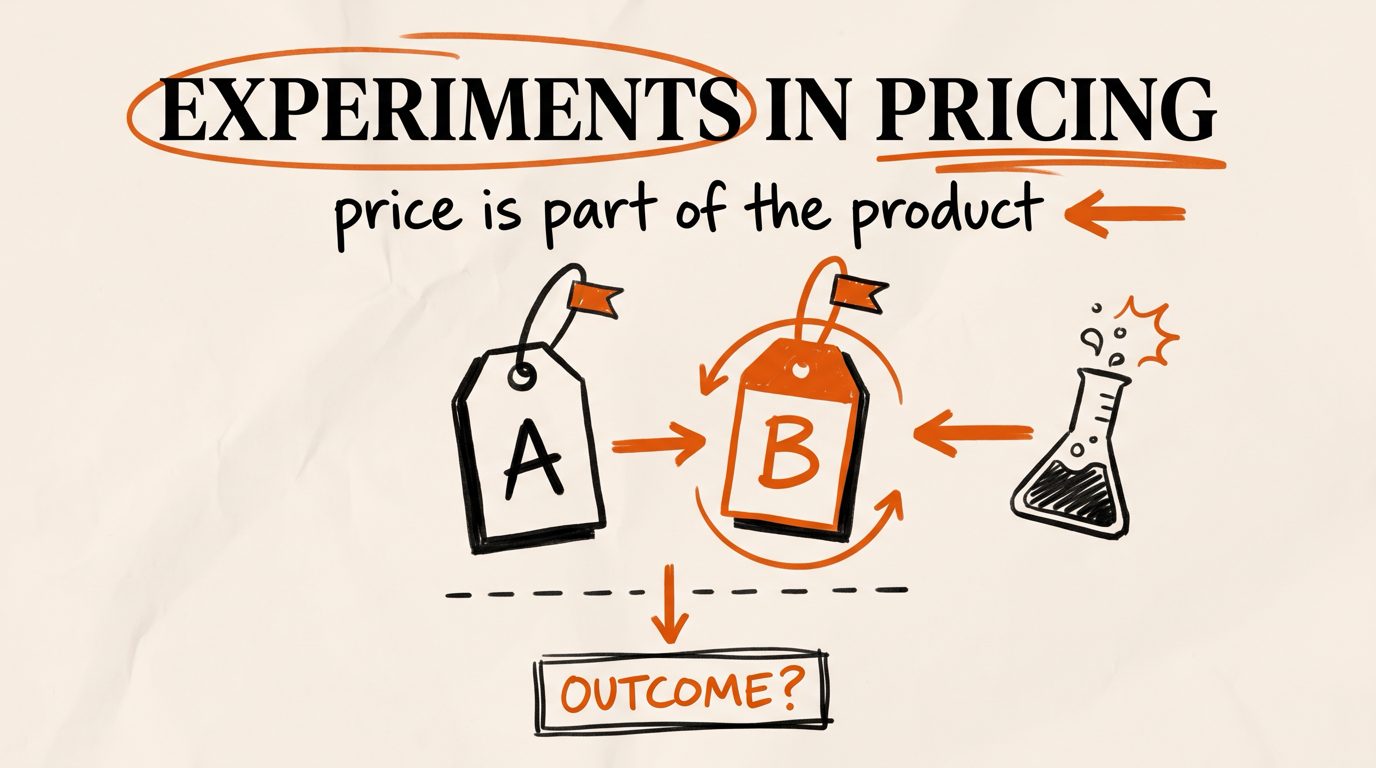
Pricing is one of the riskiest assumptions on the Lean Canvas (Revenue Stream).
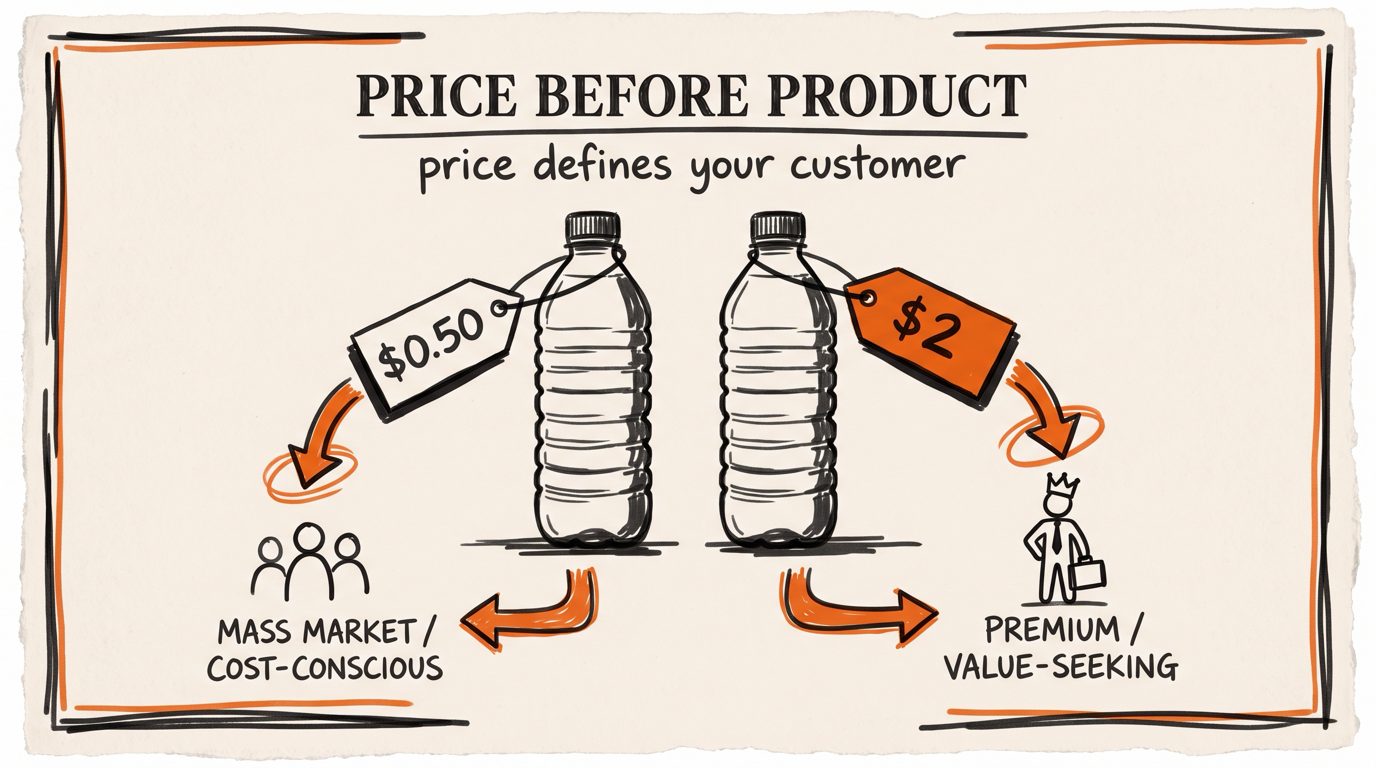
- What is the Right Sizing for Early Adopters?
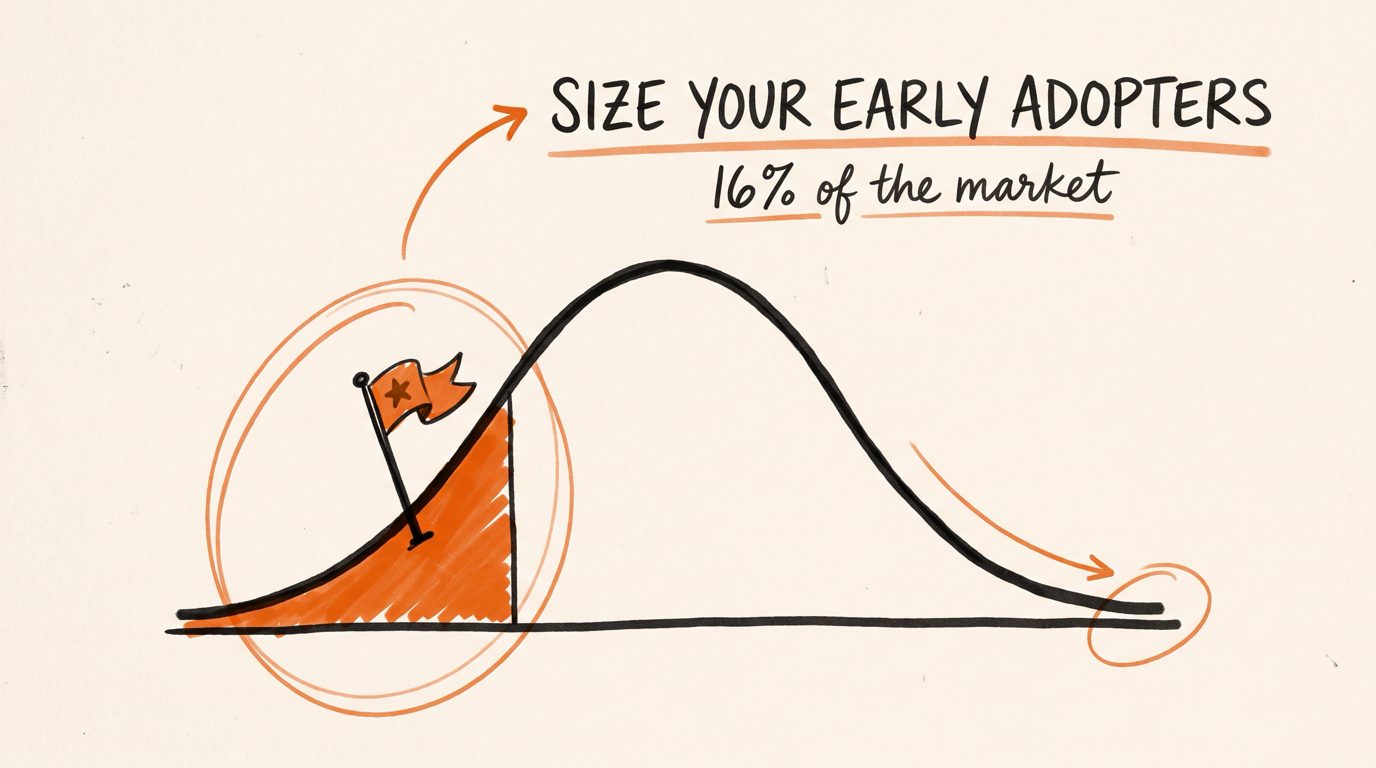
It’s easy to see the perils of going too broad with a new product: When you try to market to everyone, you reach no one. This is why the customer segment box on the Lean Canvas is further broken in...
- Uncovering the Right Minimum Feature Set for Your Minimum Valuable Product (MVP)
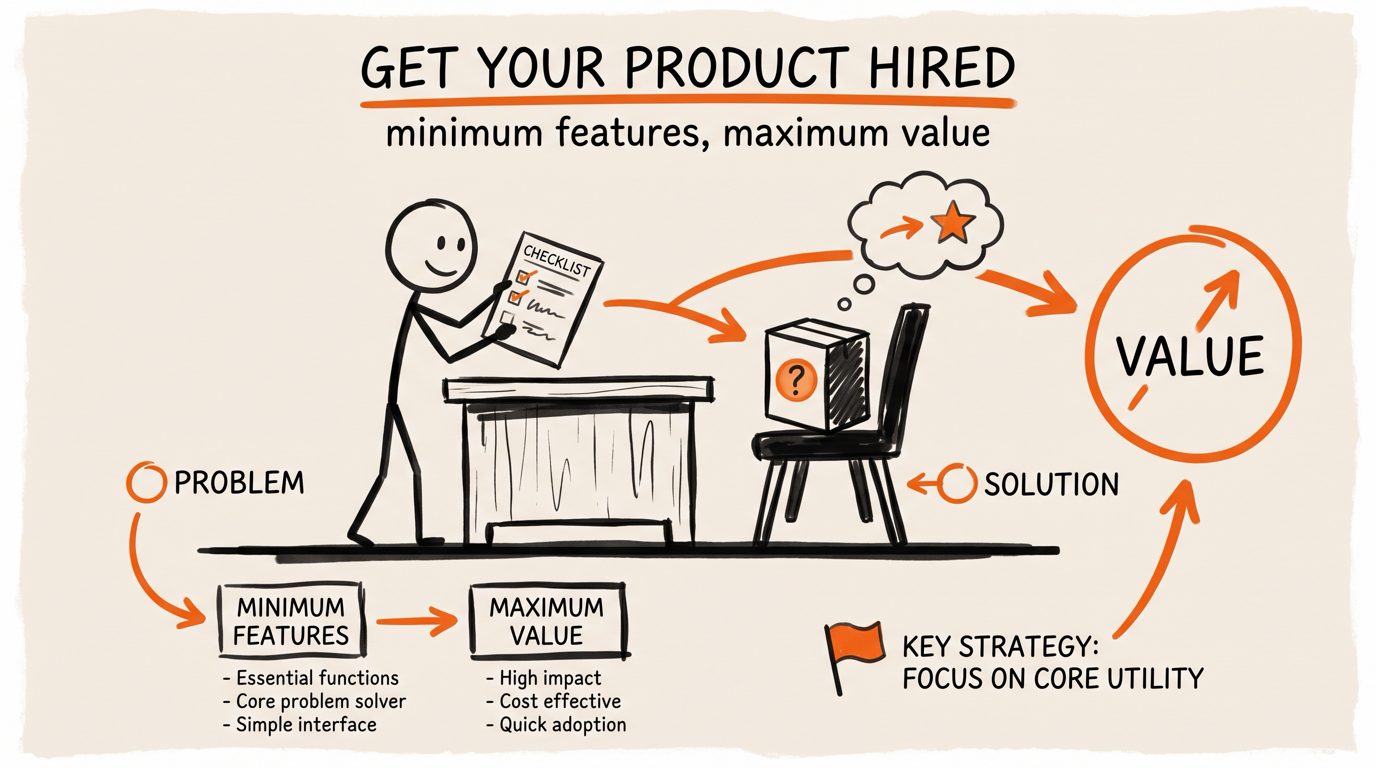
Contrary to popular belief, an MVP (Minimum Valuable Product) is not a quick and dirty solution you throw over the fence at customers. It has to deliver value right out of the gate.
- Traction is the Goal. Everything Else is Distraction.
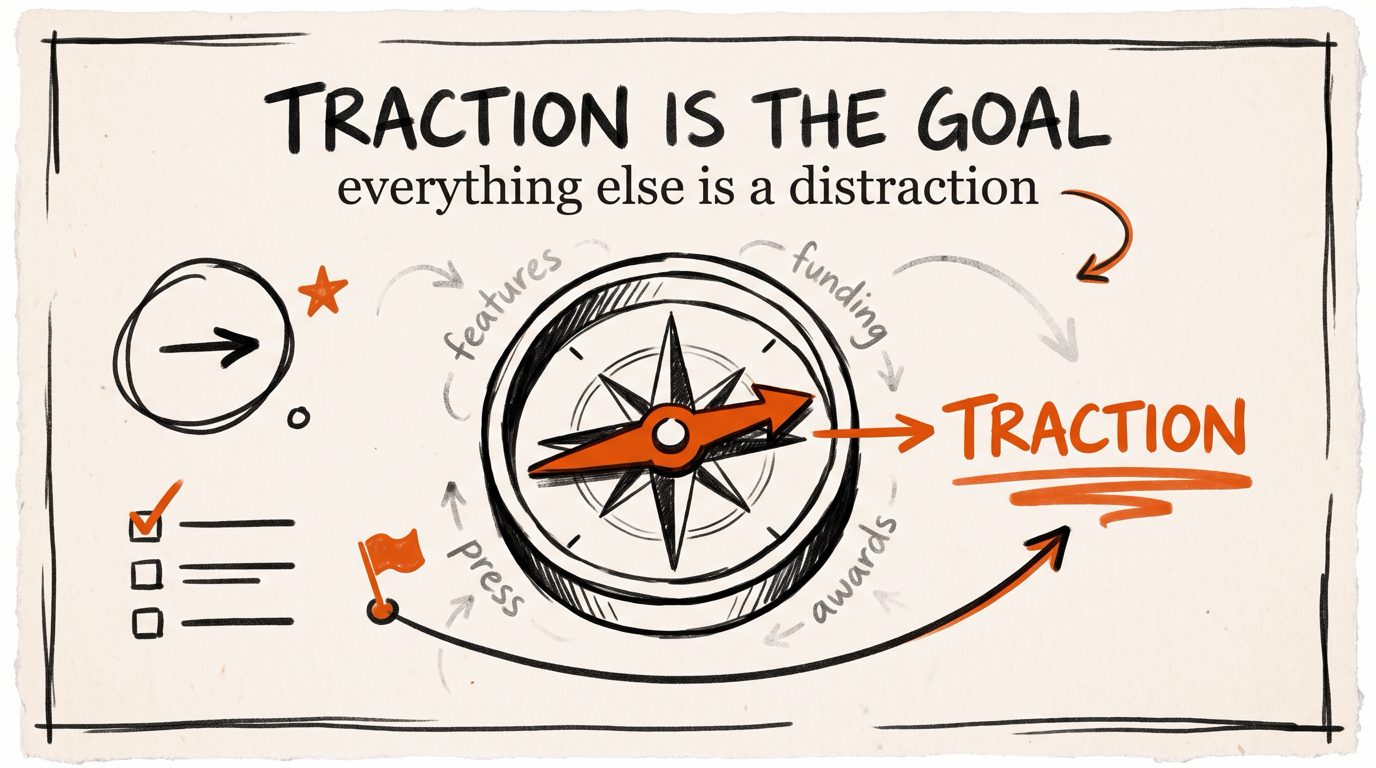
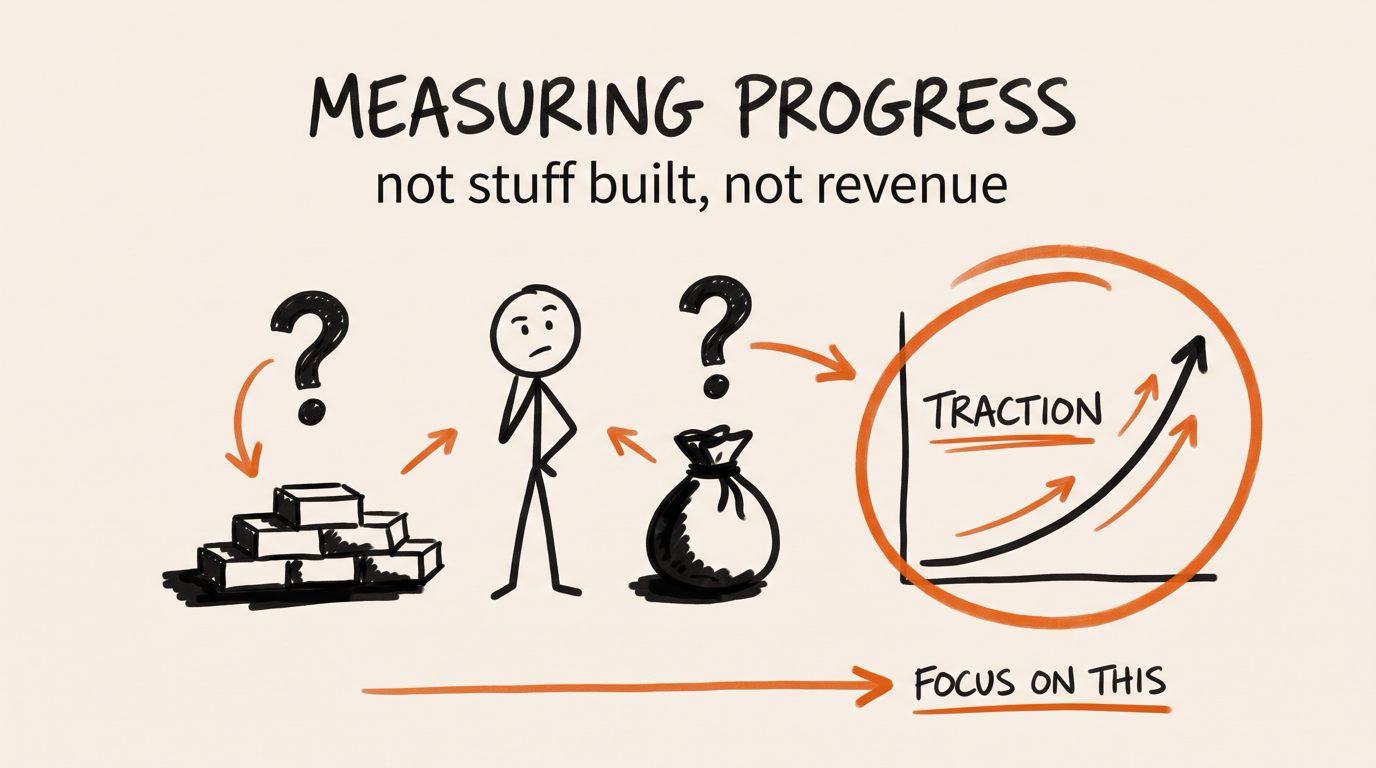
What is the one thing that both investors and entrepreneurs care about? It’s growth or traction.
- The Counterintuitive Science of Closing B2B Sales
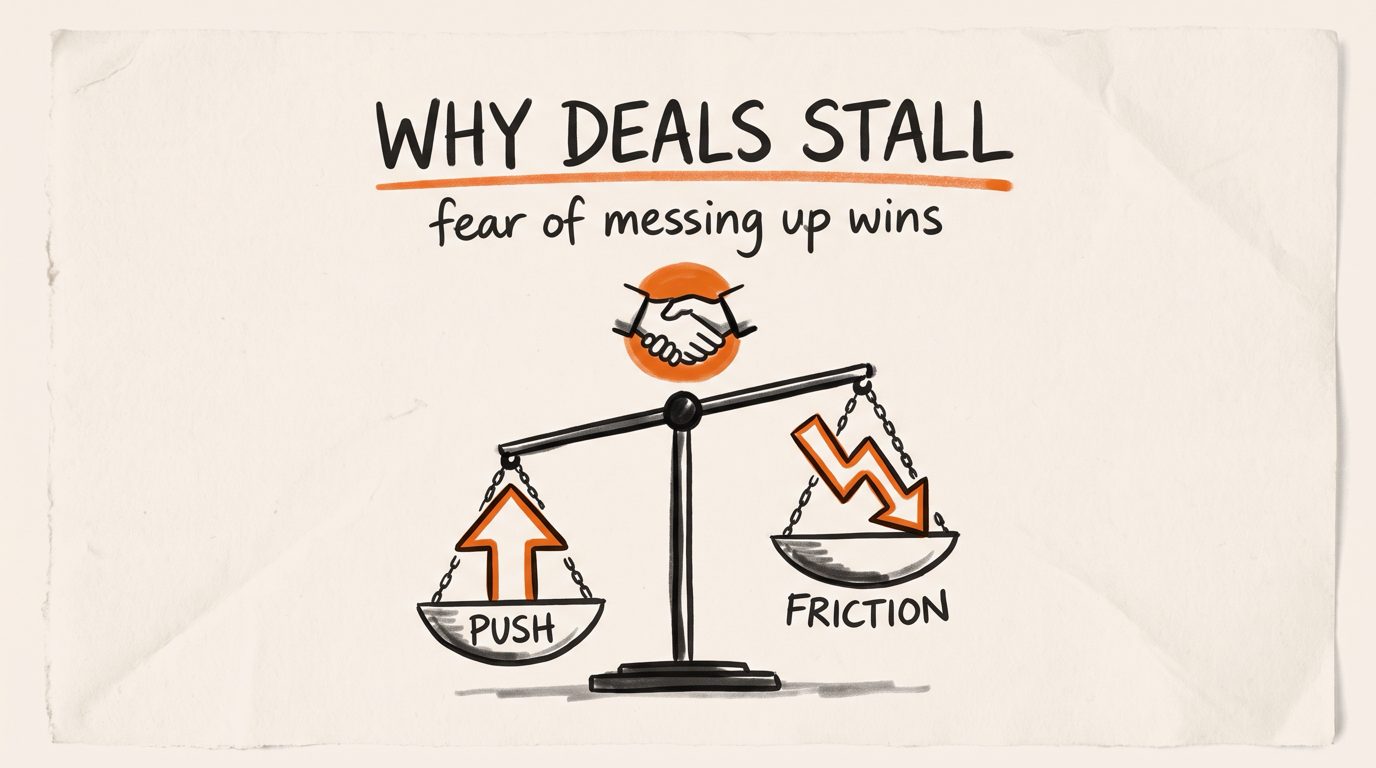
As all B2B sales meetings went online during the pandemic, Matt Dixon and Ted McKenna, authors of _The Jolt...
- The Art of Experiment Design
You run an experiment every time you release a new feature, run a marketing campaign or try a new sales method.
- Stop Wasting Time on Unviable Business Ideas
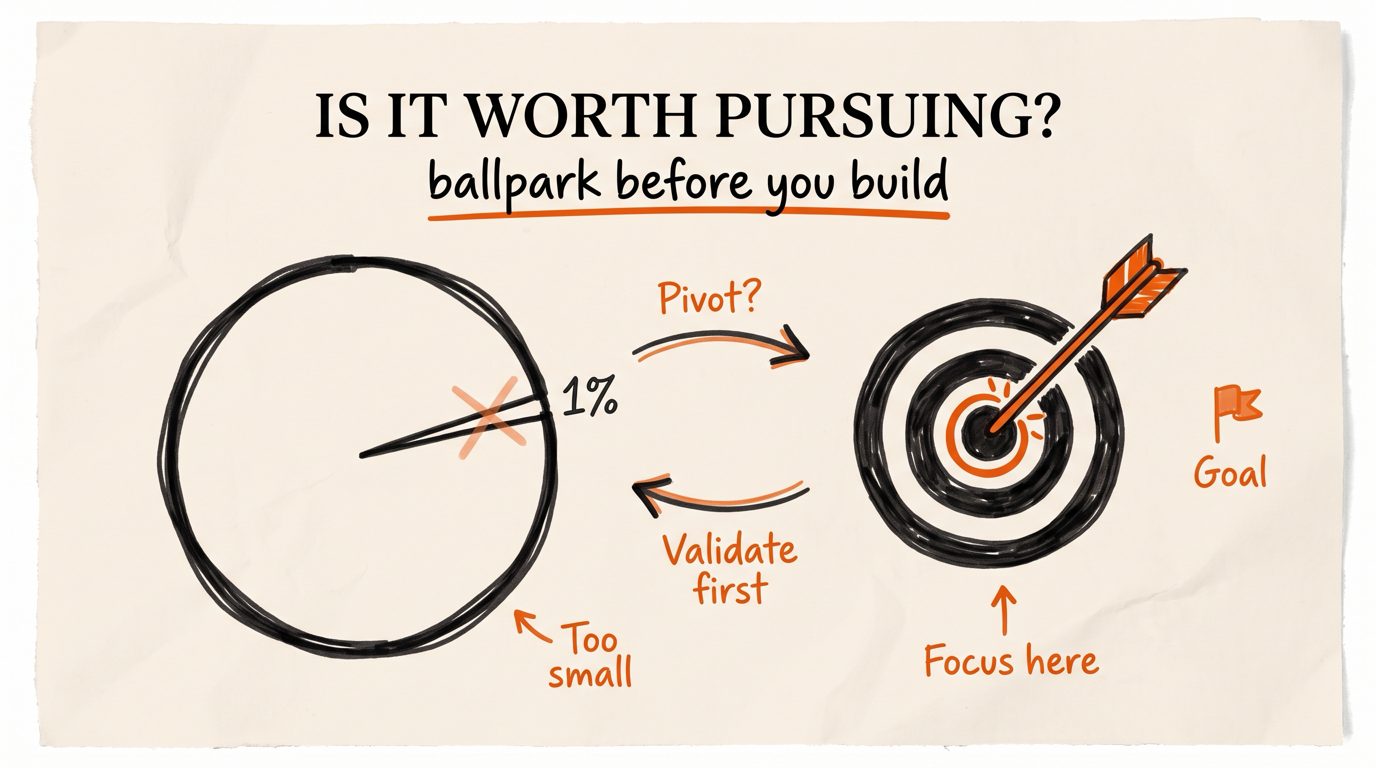
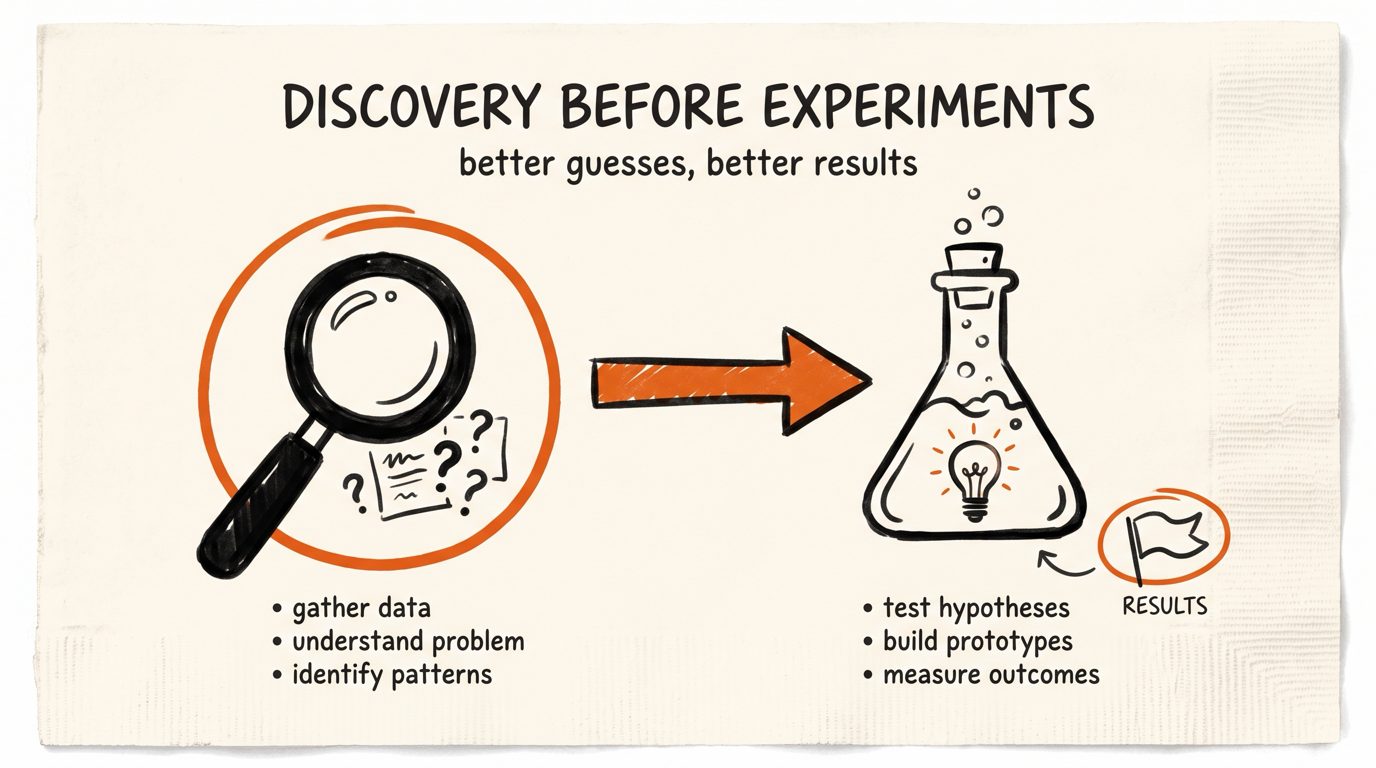
Too many entrepreneurs prematurely rush to launch their product, join an incubator/accelerator, or hit the pitching circuit only to realize months (or years) later that they were chasing too small ...
- Start with Premium Before Freemium
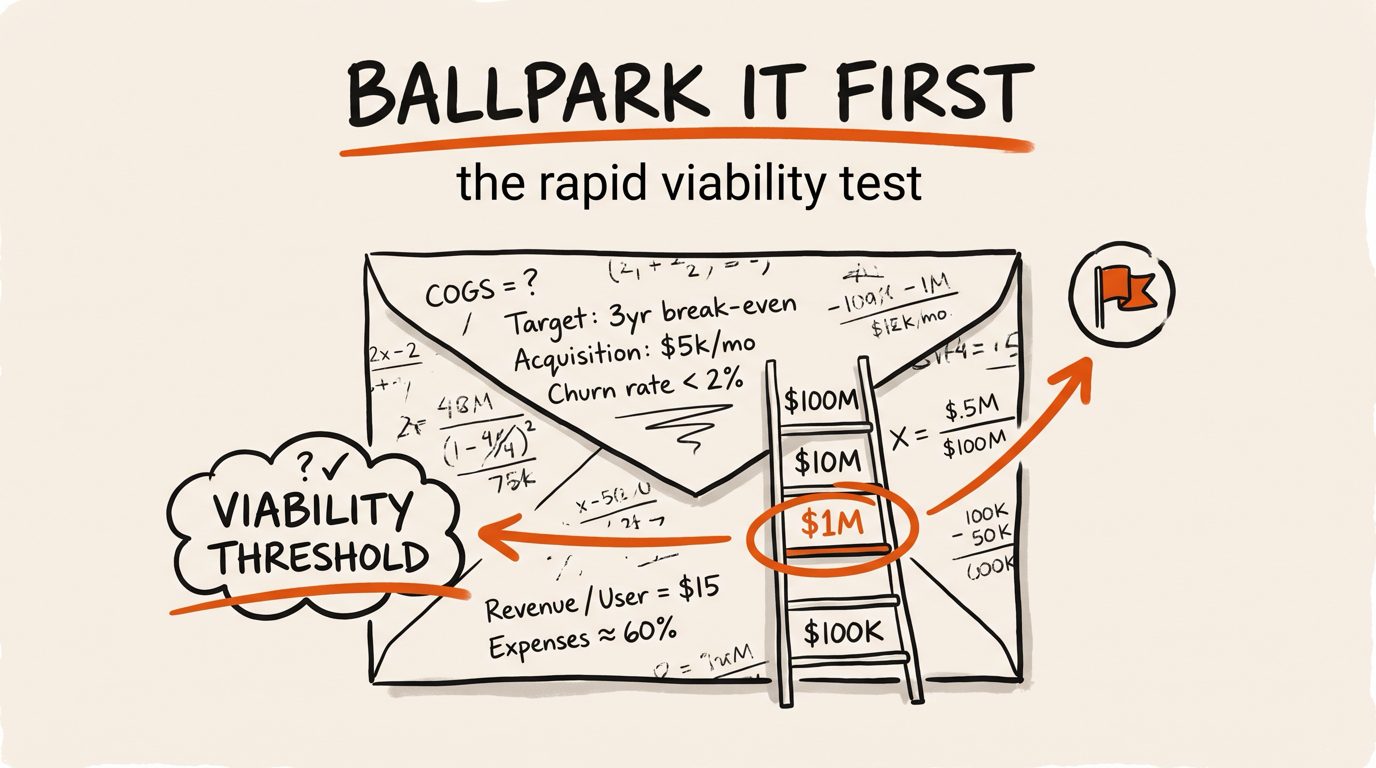
Freemium is a marketing tactic, not a business model. Why launching free delays learning about your riskiest assumption, and how to validate premium first, then back into free.
- Say No to Product Roadmaps
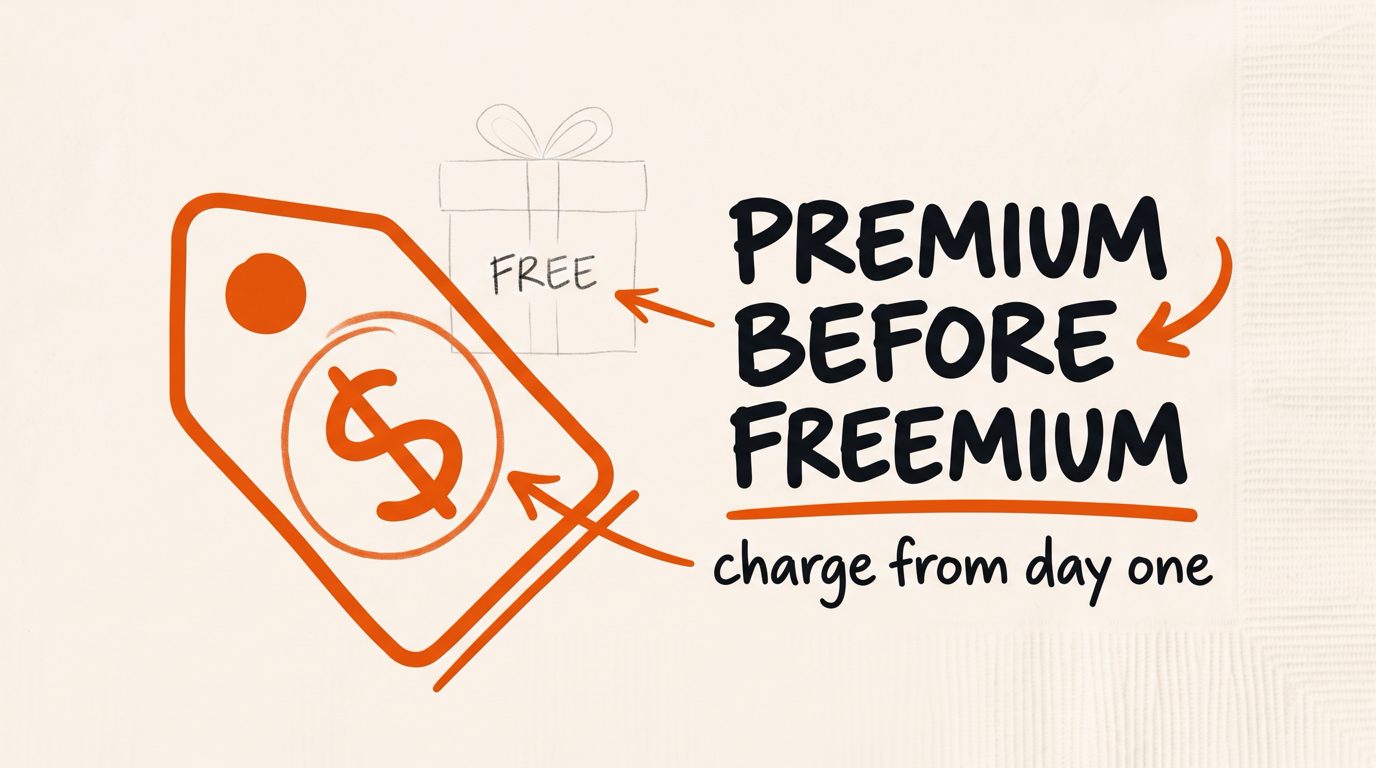
Entrepreneurs need to be able to simultaneously pitch a big long-term vision while staying grounded in short-term actions to move their vision forward.
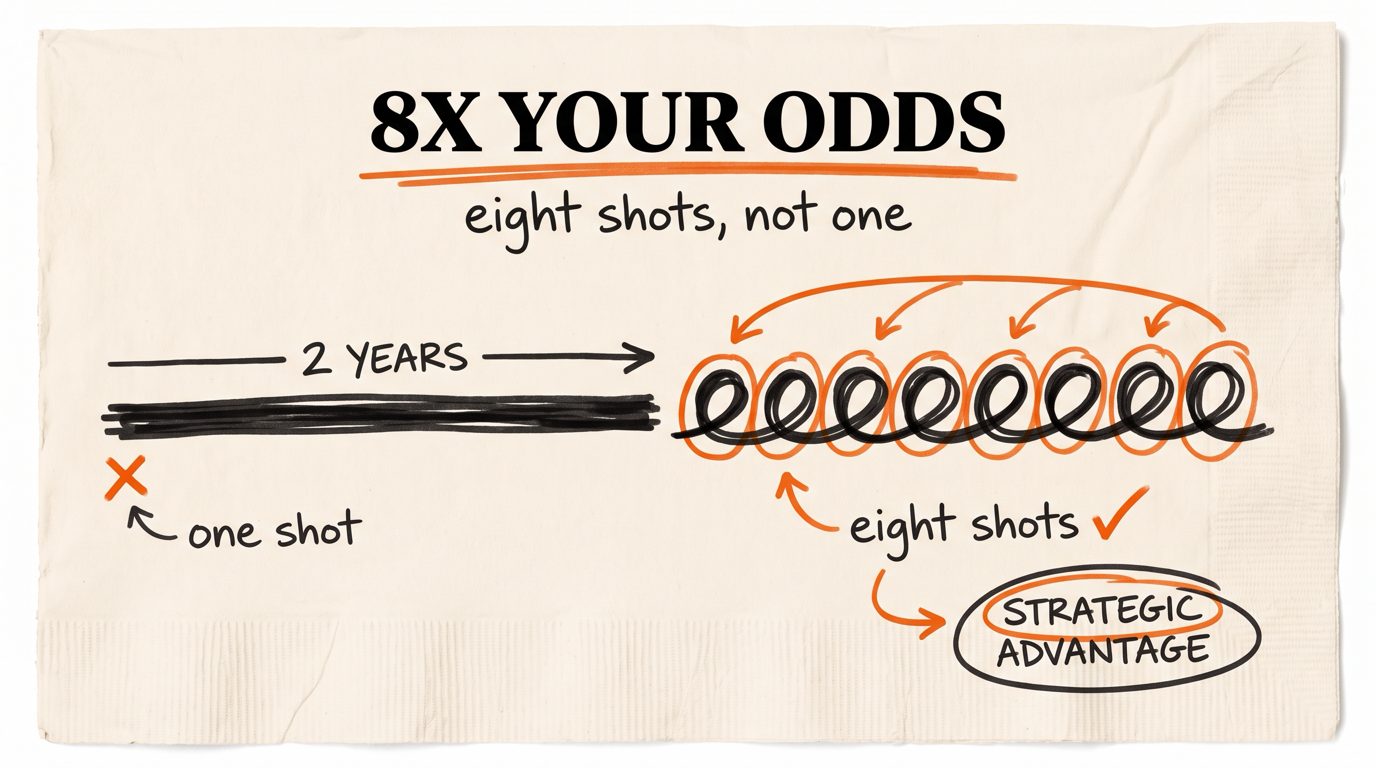
- Raise Your Startup's Odds of Success By Up to 8x
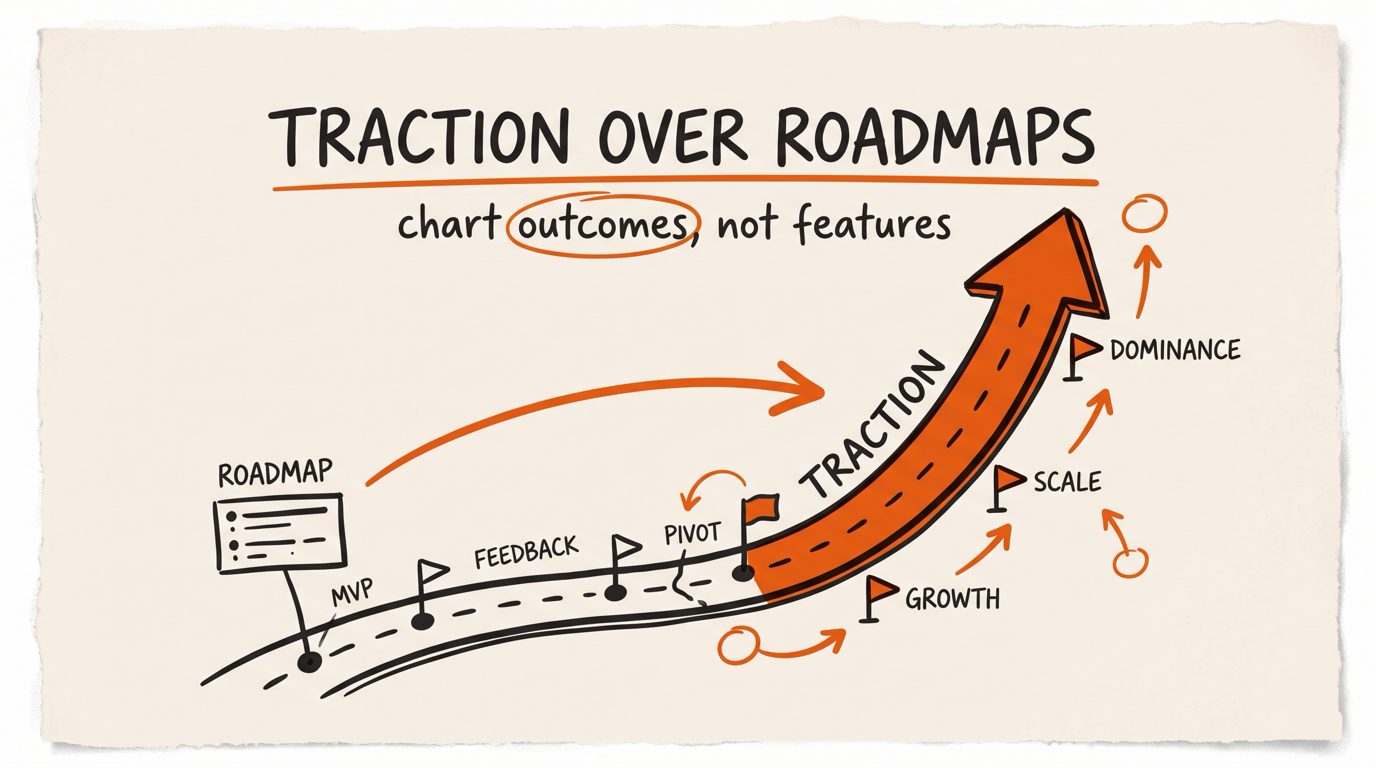
Most founders set Product/Market Fit as their first significant milestone. The problem is that getting to product/market fit typically takes two years (for most products), and 80% of products never...
- Prospecting Recipes for Conducting Problem Discovery Interviews
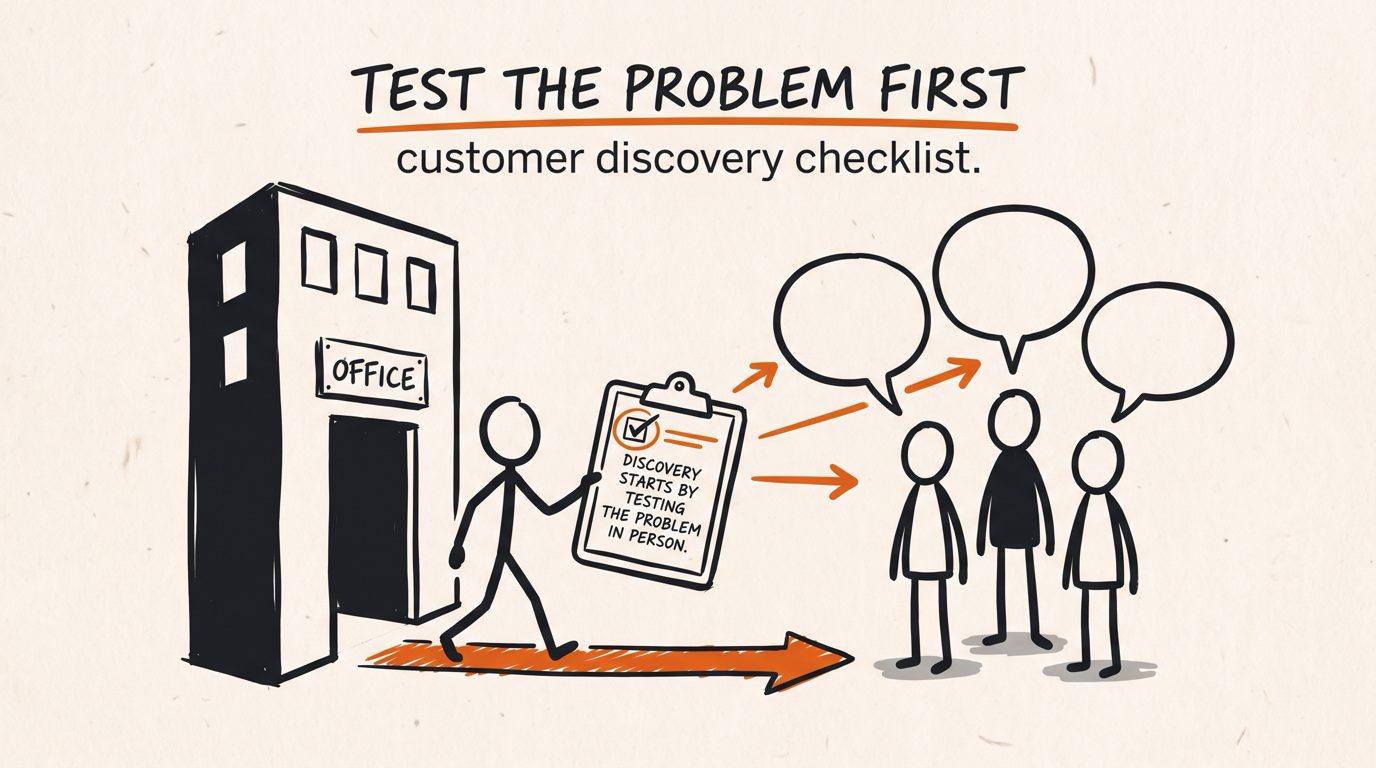
How do you get customers to openly talk to you during problem discovery interviews if you’re “not allowed” to pitch your solution? This is the top question I get from founders on conducting cu...
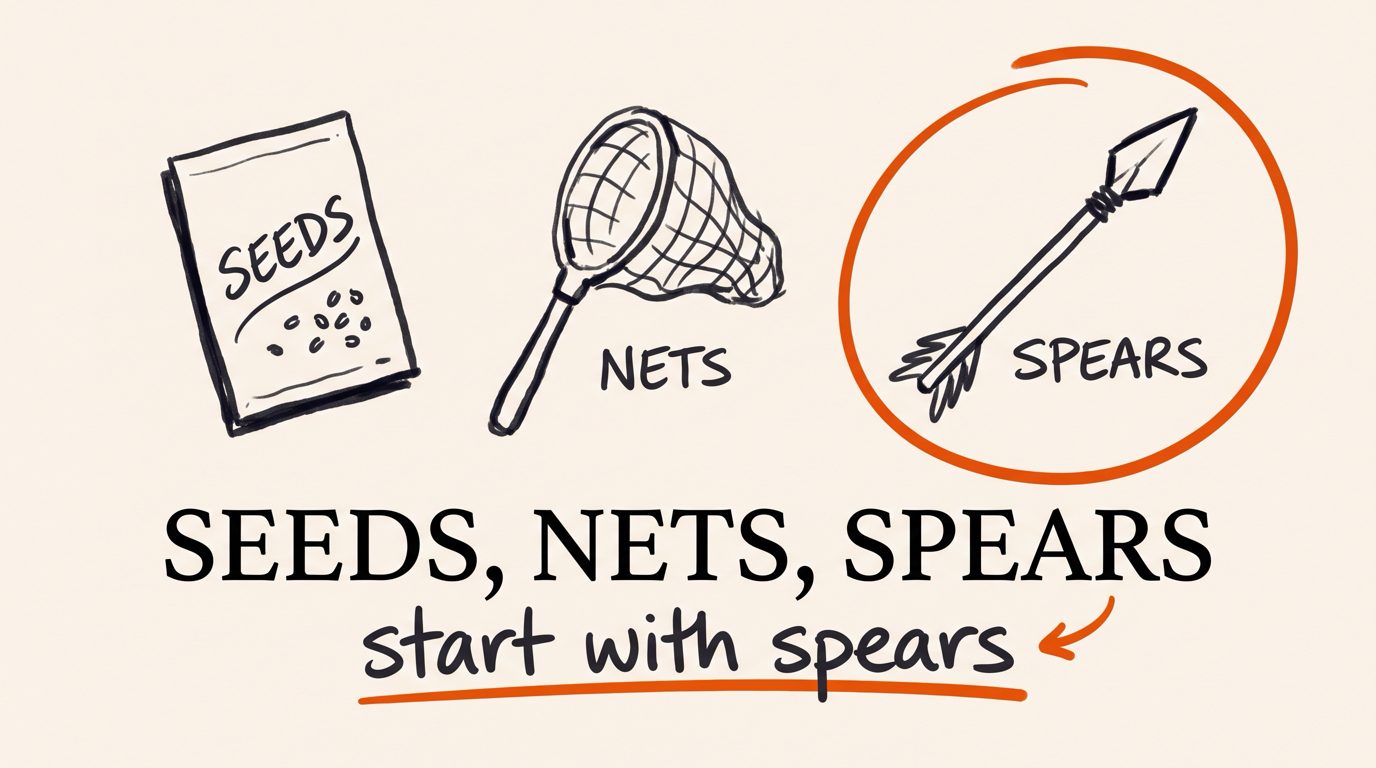
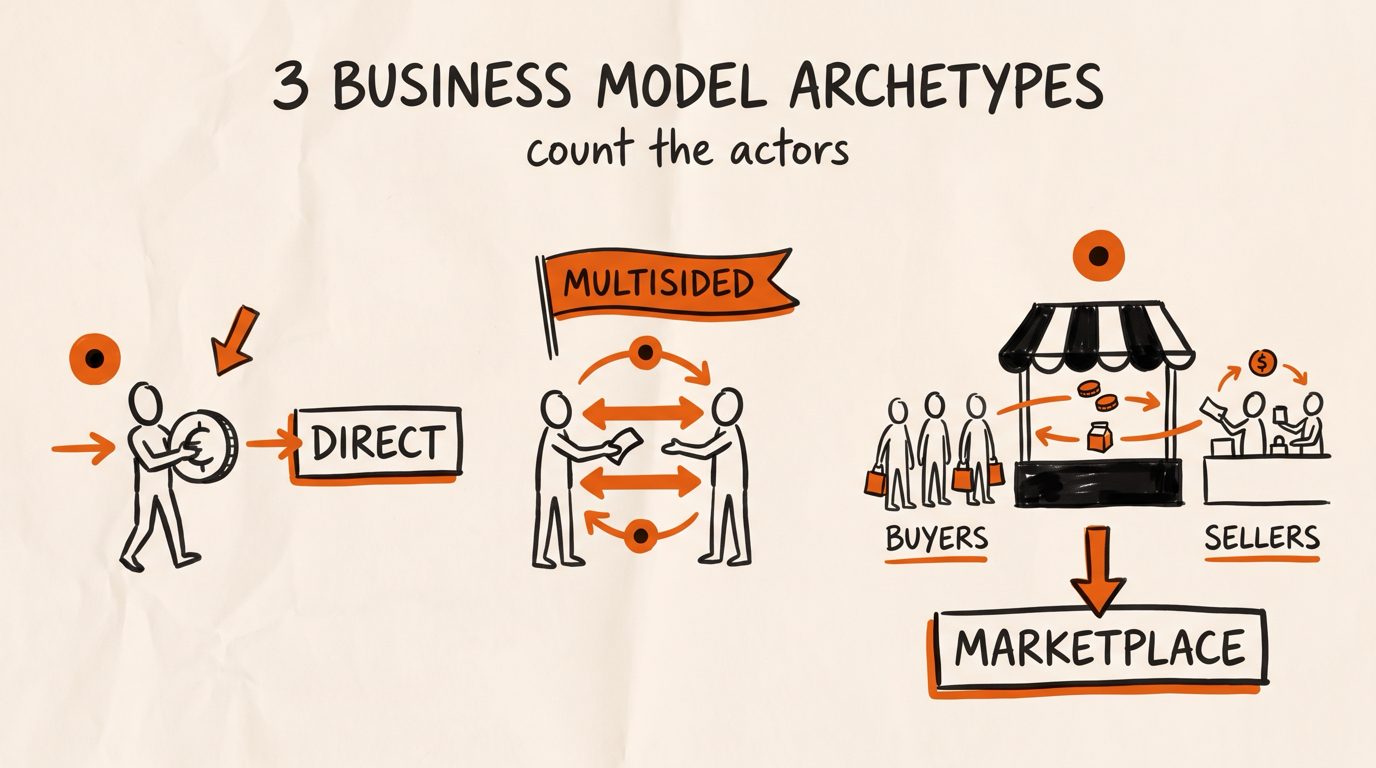
- How to Use Business Model Patterns to Formulate a Starting Validation Strategy
Patterns are everywhere. We use patterns in architecture, design, software, chess, and cooking.
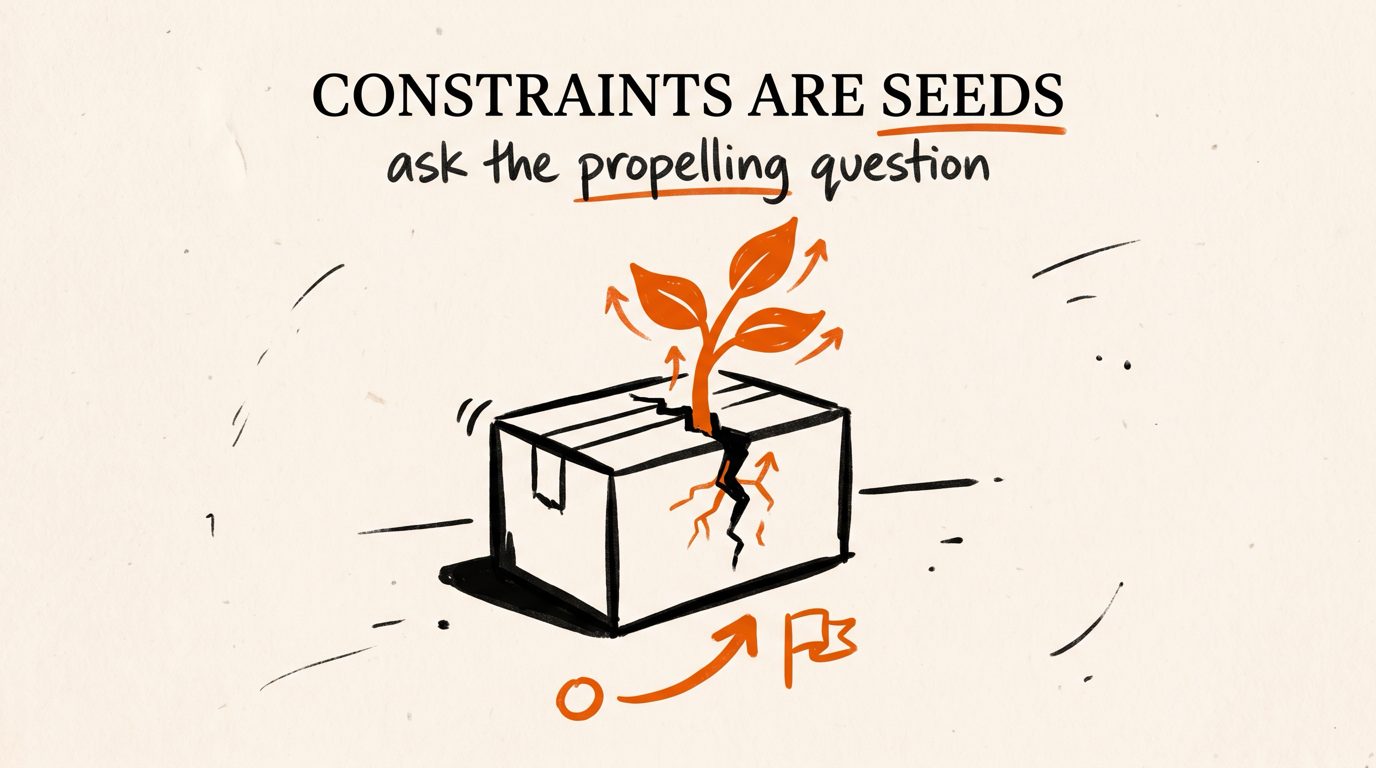
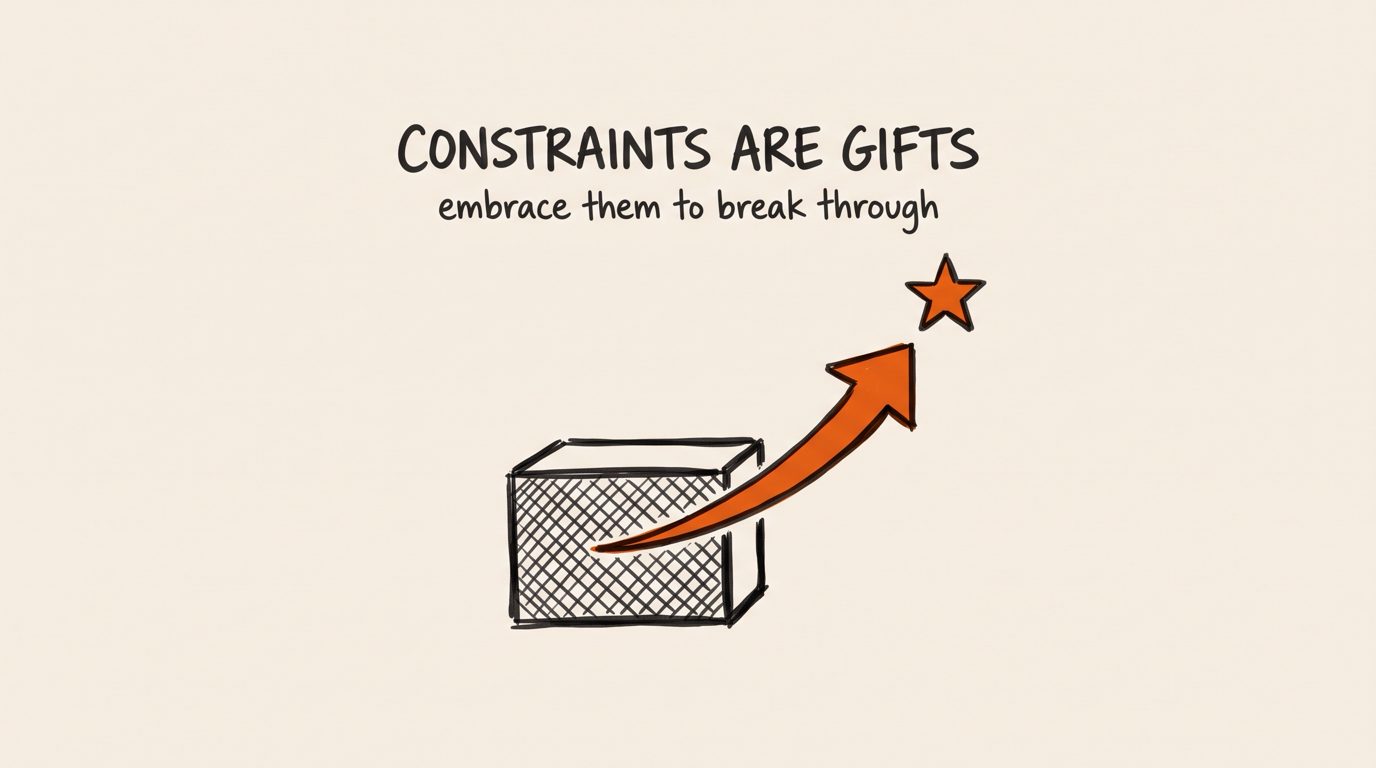
- How To Turn Your Limiting Constraints Into Seeds For Breakthrough Innovation
I spent the first couple of years as a solo founder wishing for more of everything. More time, more people, and more money so I could build more features and get more customers.
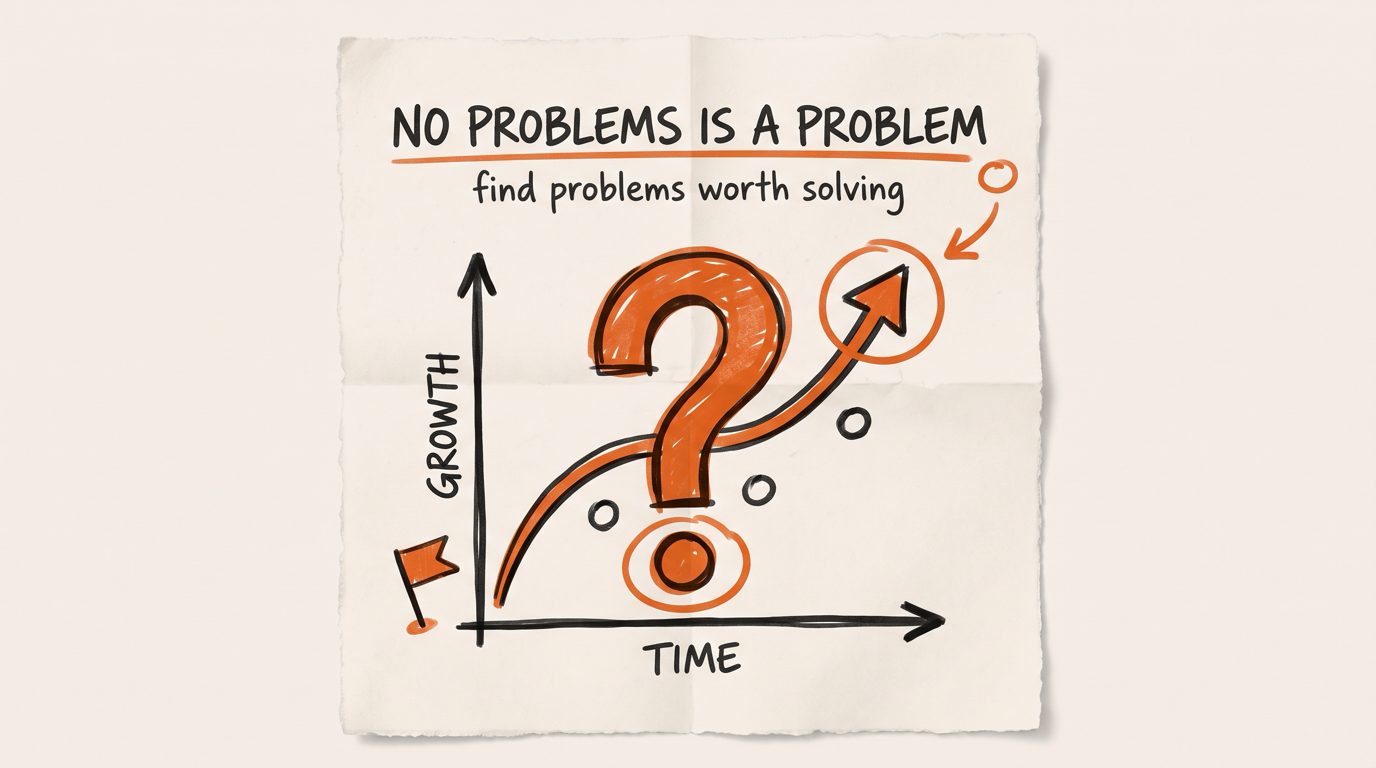
- How to Systematically Uncover Big Problems Worth Solving
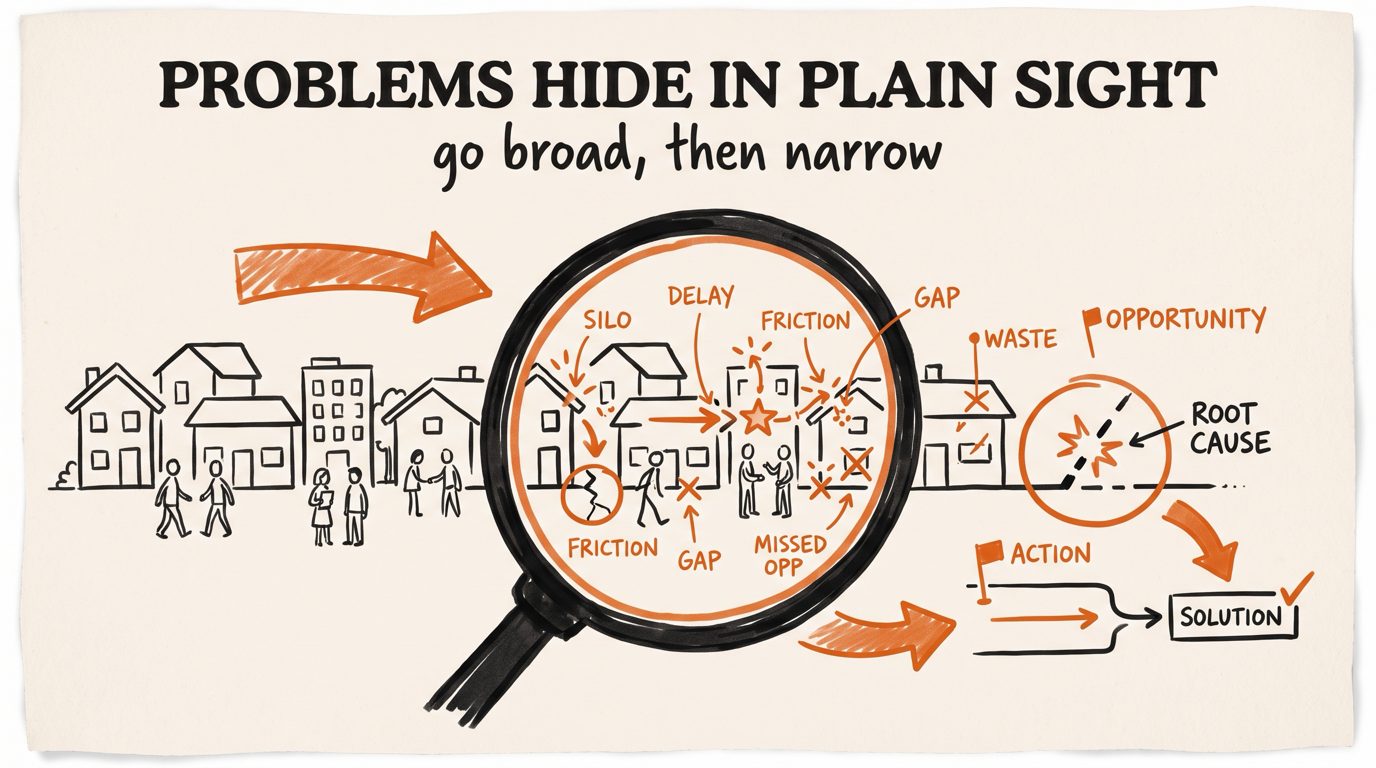
Like a good magic trick, most big ideas seem obvious in hindsight because they solved a customer struggle (or problem), that was seemingly sitting in plain view. The challenge is that we live our l...
- How to Systematically Prioritize and Tackle the Riskiest Assumptions in Your Business Model
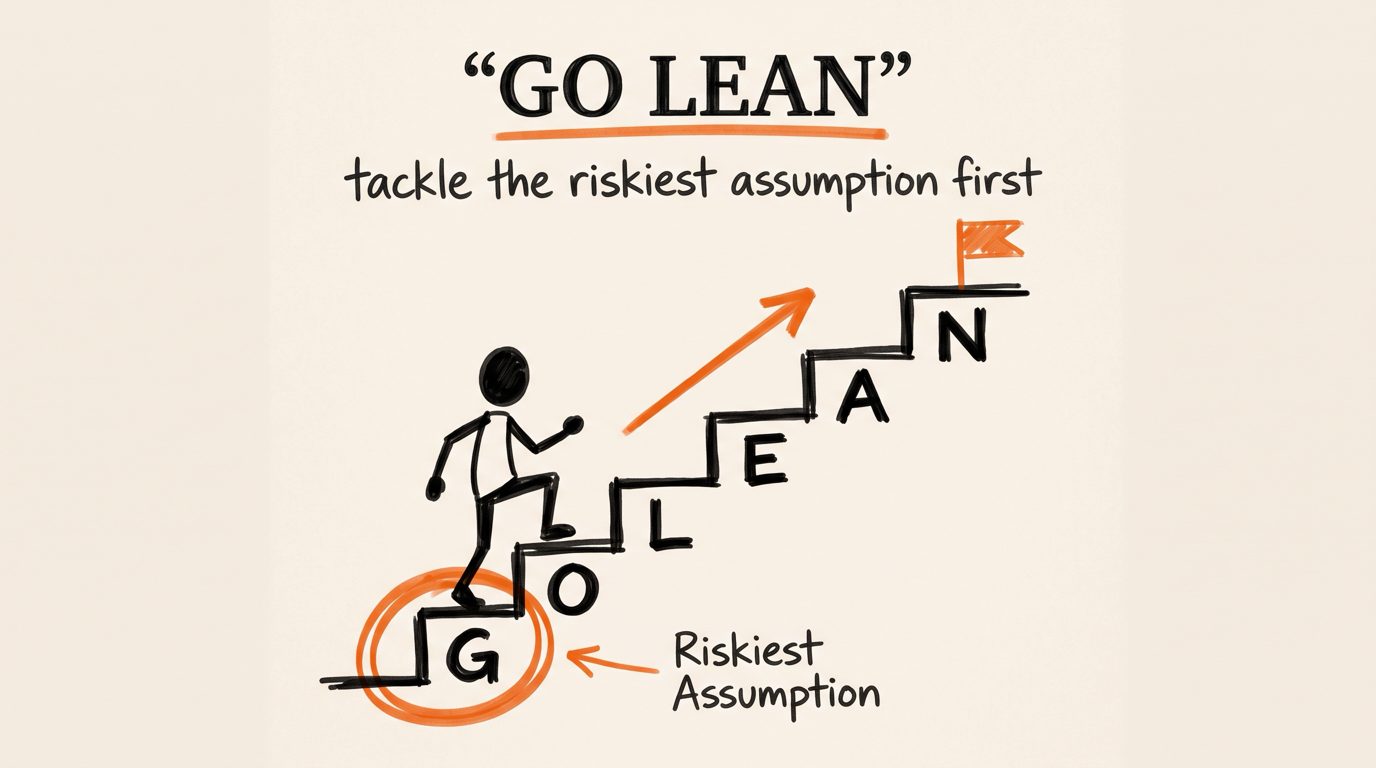
When launching a new product under extreme uncertainty, it’s critical to prioritize tackling your riskiest assumptions first. While a simple enough concept to grasp, it’s ironically quite challengi...
- How to Pitch Pricing Without Getting Butterflies in your Stomach
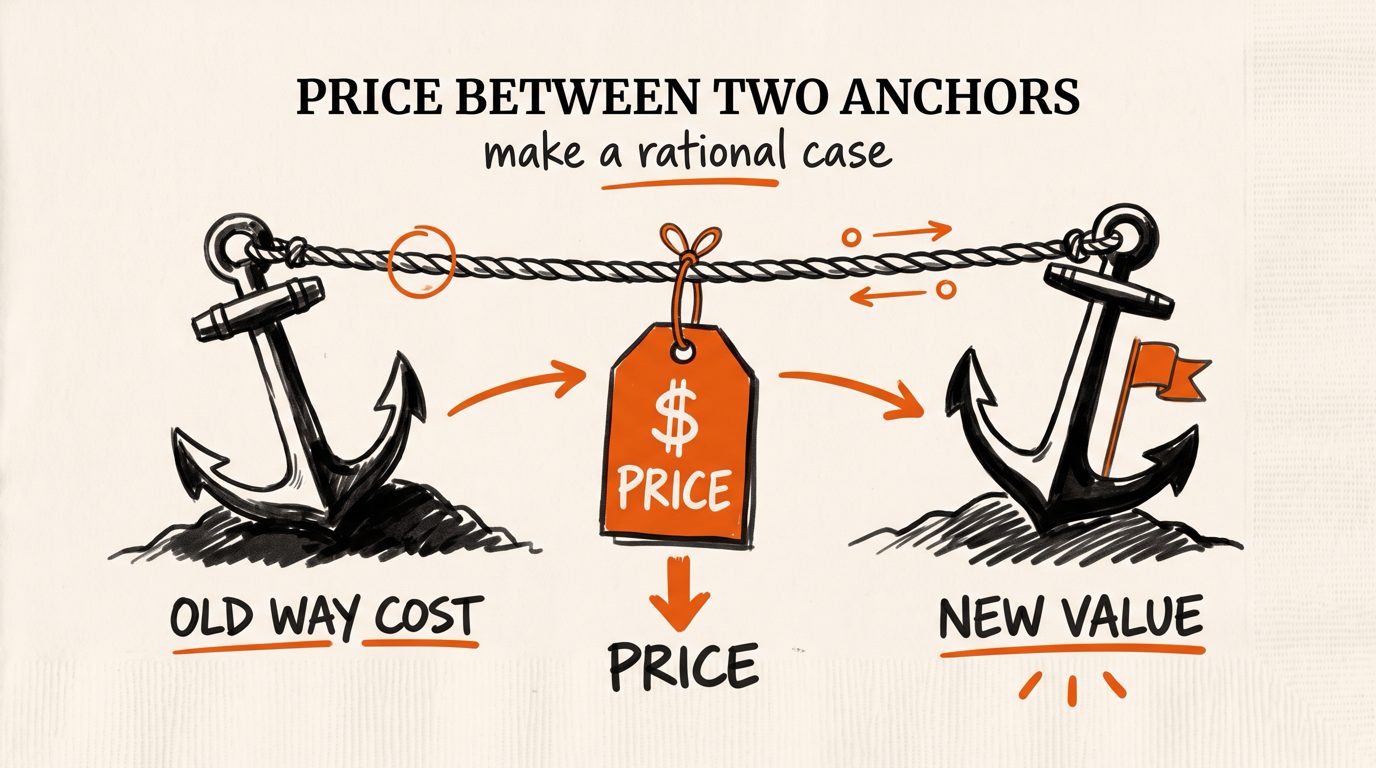
If you’re a product-oriented founder like me, you probably get a little nervous when you get to the pricing conversation during a product pitch. You’d rather defer this conversation to later (like ...
- How to Formulate Your Unfair Advantage Strategy with a Lean Canvas
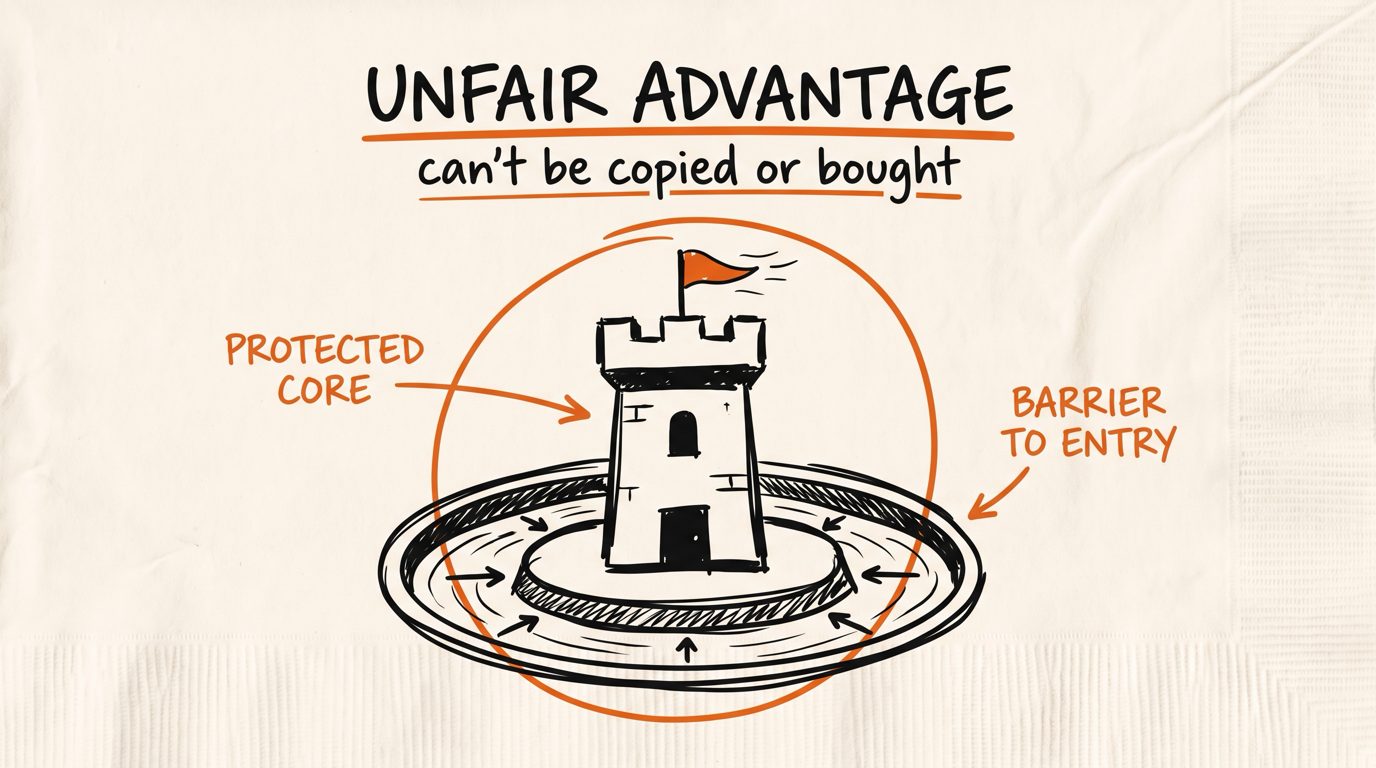
Communicating defensibility against copycats and competition is critical when pitching your business model to investors and key stakeholders.
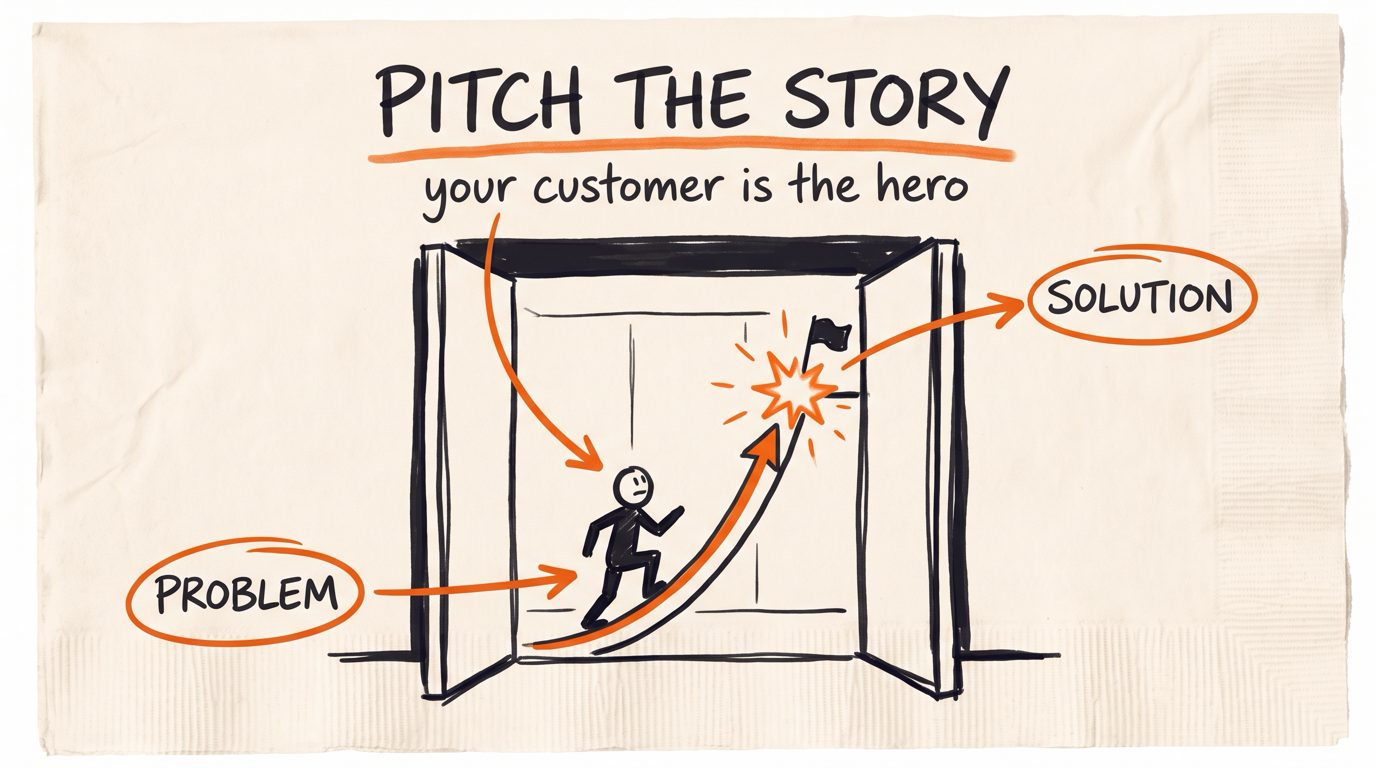
- How to Deliver an Elevator Pitch That Gets Anyone to Ask for More
The elevator pitch is one of four foundational pitches every founder should master.
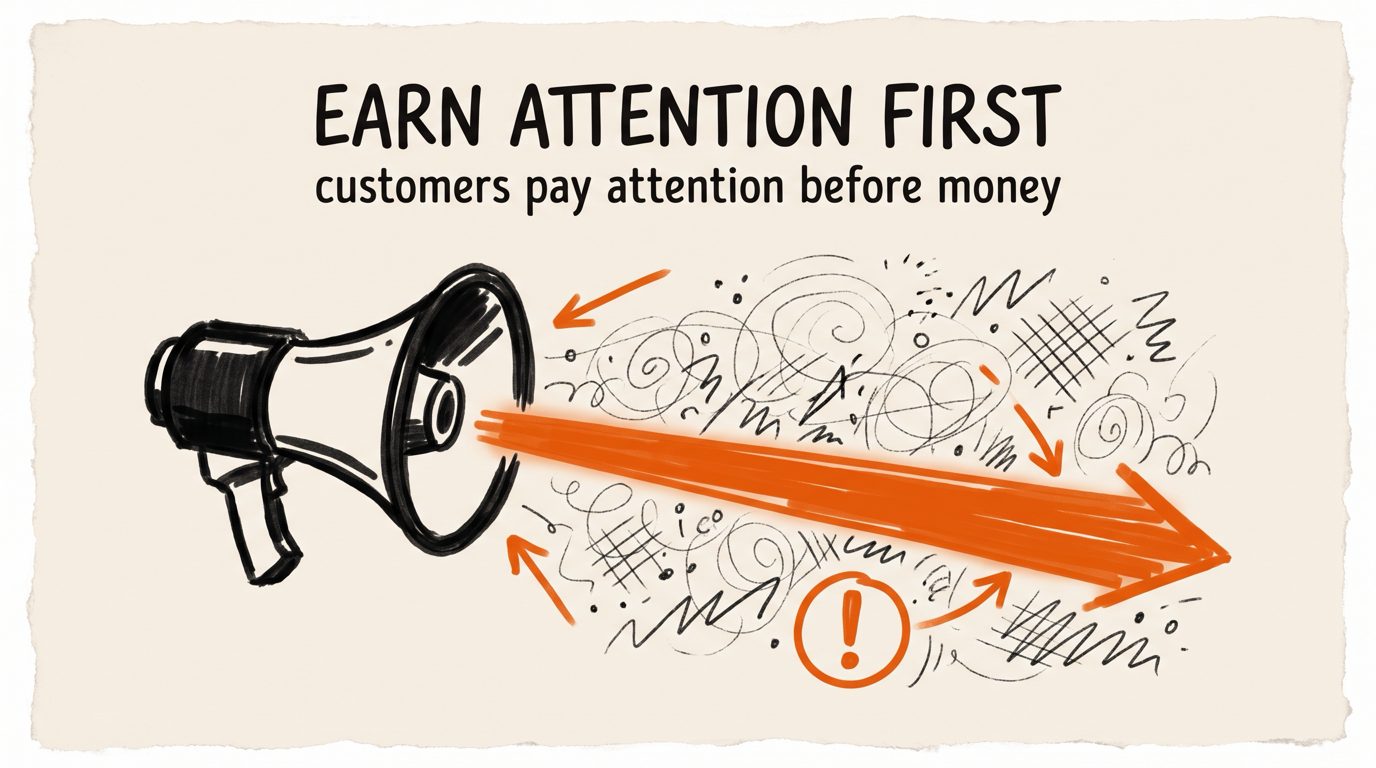
- Crafting Attention-Worthy Unique Value Propositions
The first battle for any product is getting noticed by customers.
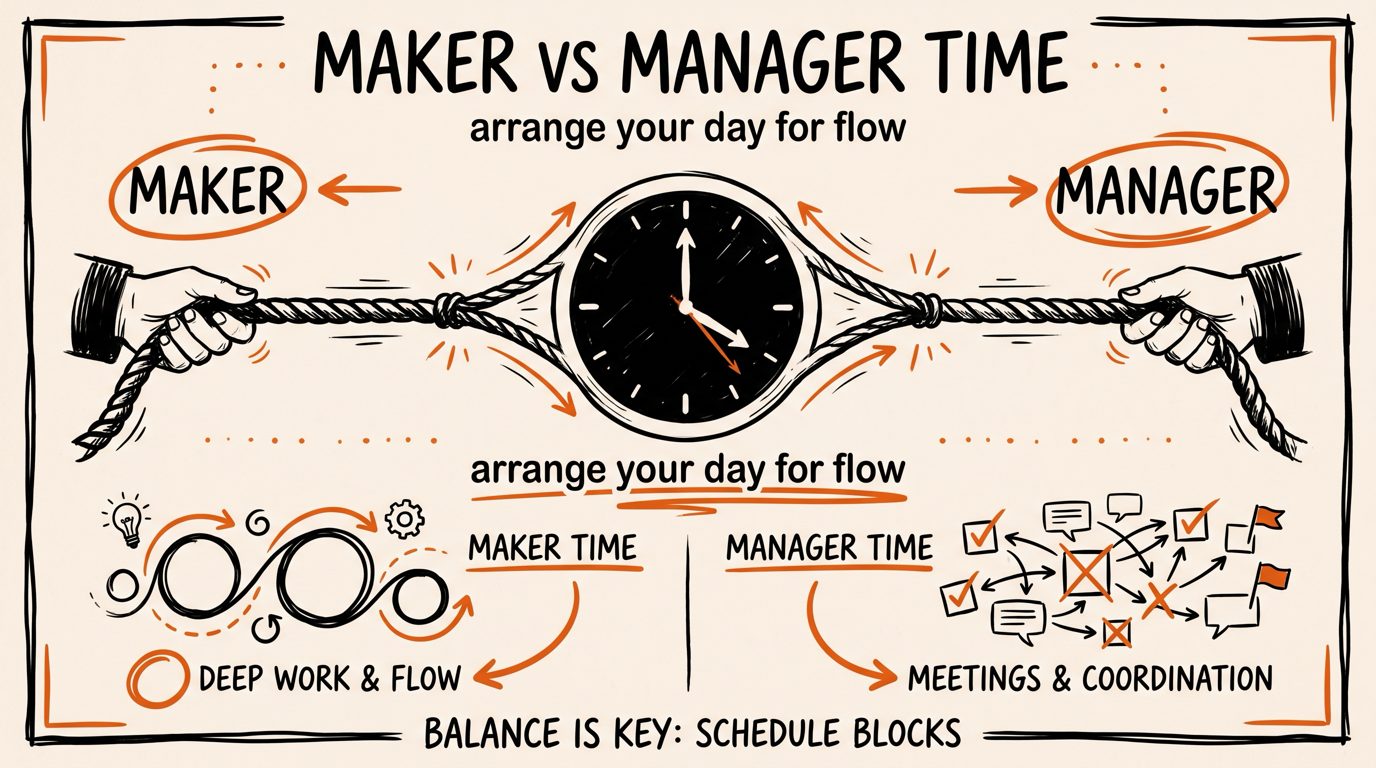
- Balancing the Conflicting Pulls on Time in a Startup
Time, like any resource, has multiple pulls. In a startup, there is a basic pull for activities outside and inside the building.
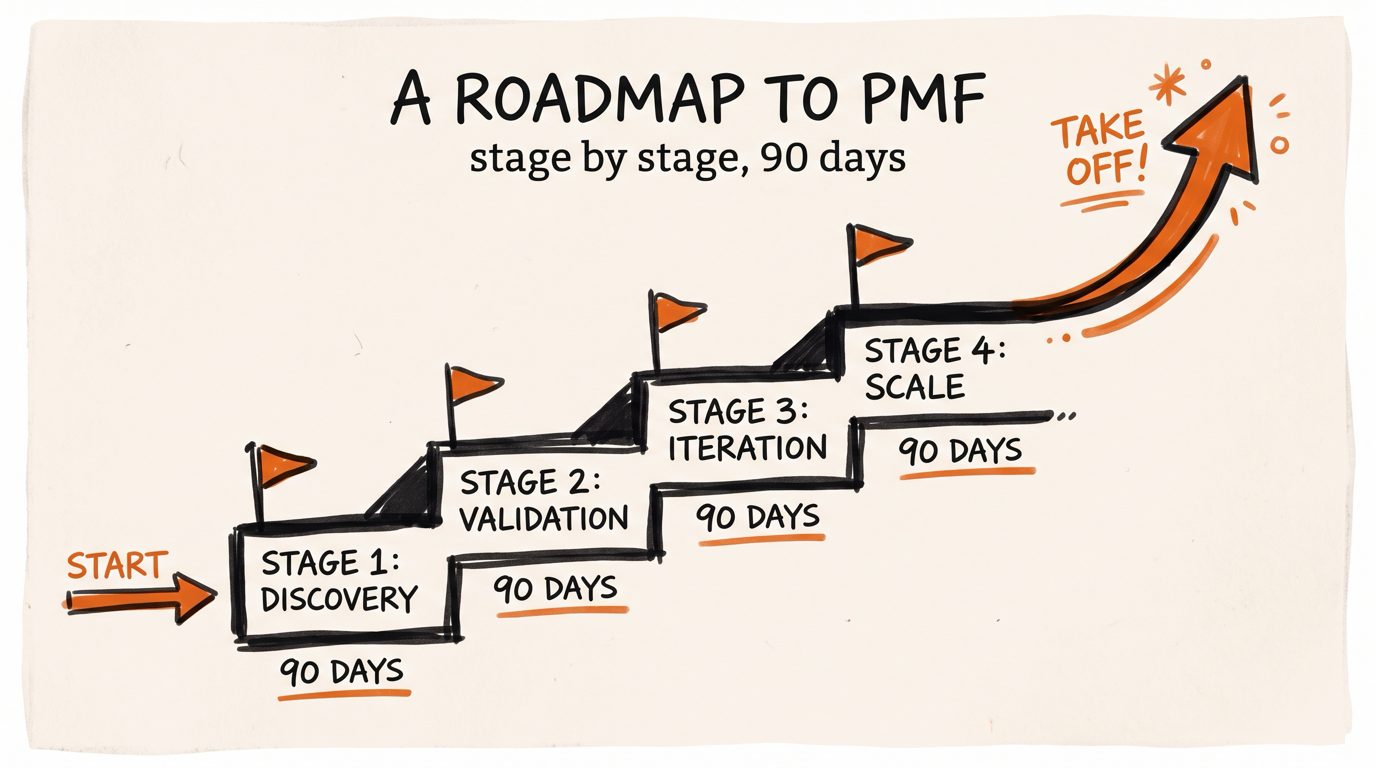
- A Systematic Roadmap to Product/Market Fit
Getting to product/market fit is considered the most significant milestone for a startup. This is often described as the inflection point in the hockey-stick curve when traction takes off.
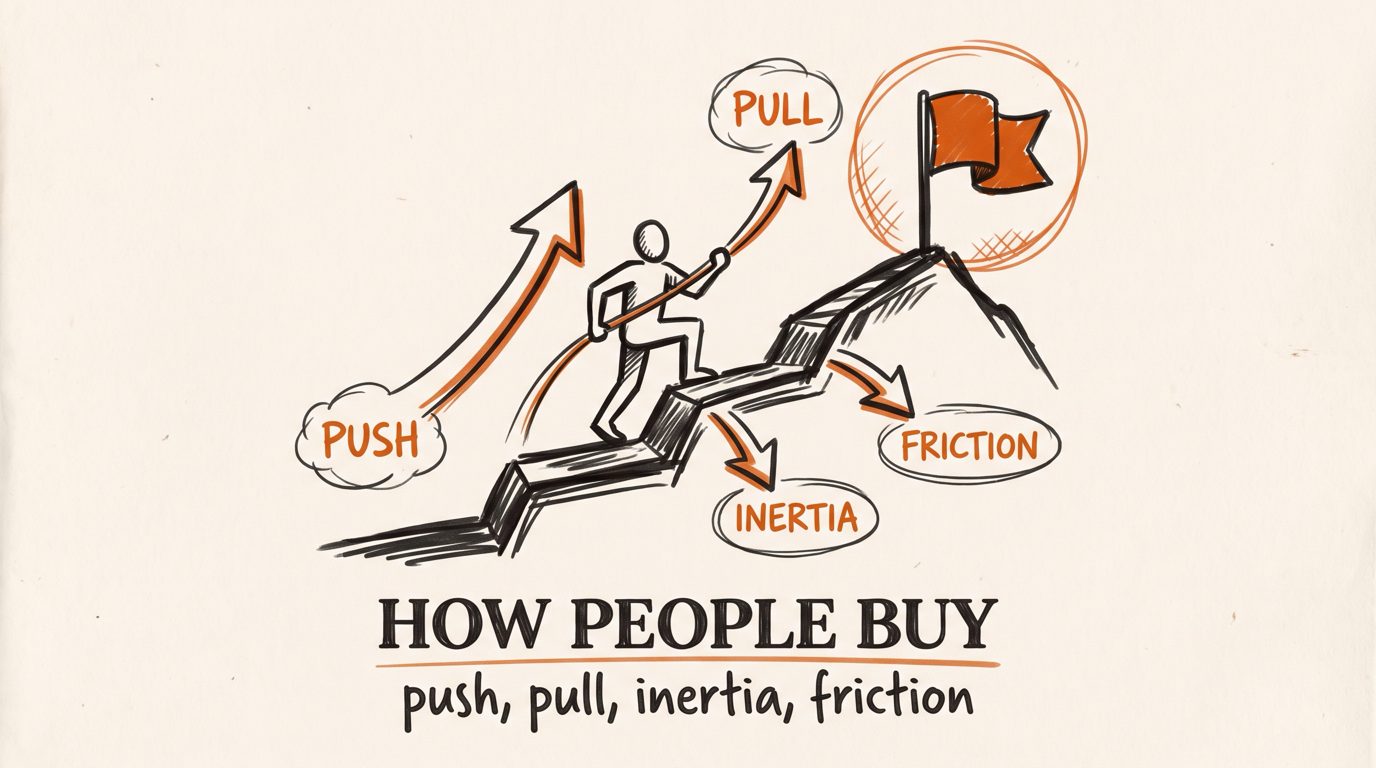
- A Blueprint for Understanding How People Buy Anything
There is no such thing as an impulse purchase. Behind every purchase is a string of causal events and forces.
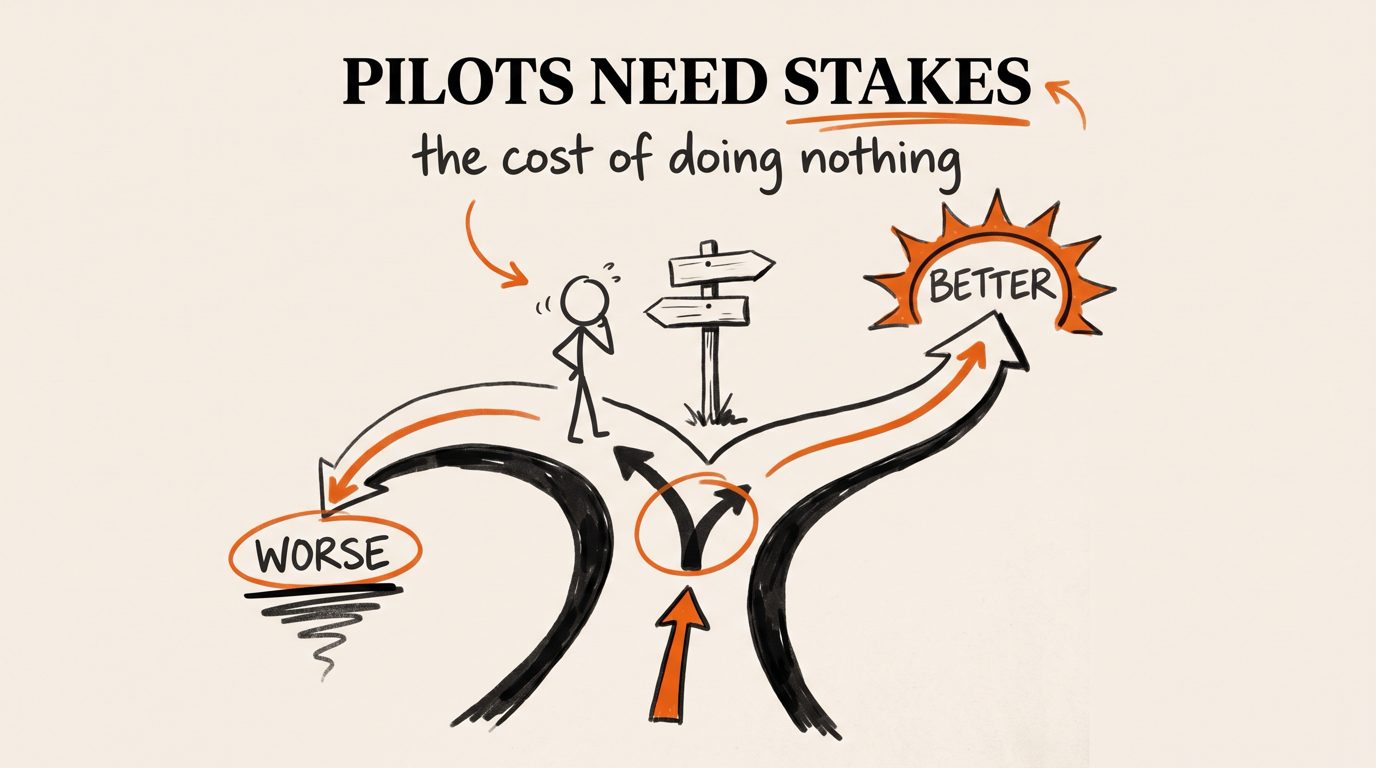
- 3 Steps for Running More Successful Pilots
Ever had a customer go cold after a sizzling start? You’ve just closed a big customer and can taste problem/solution fit. They’ve agr...
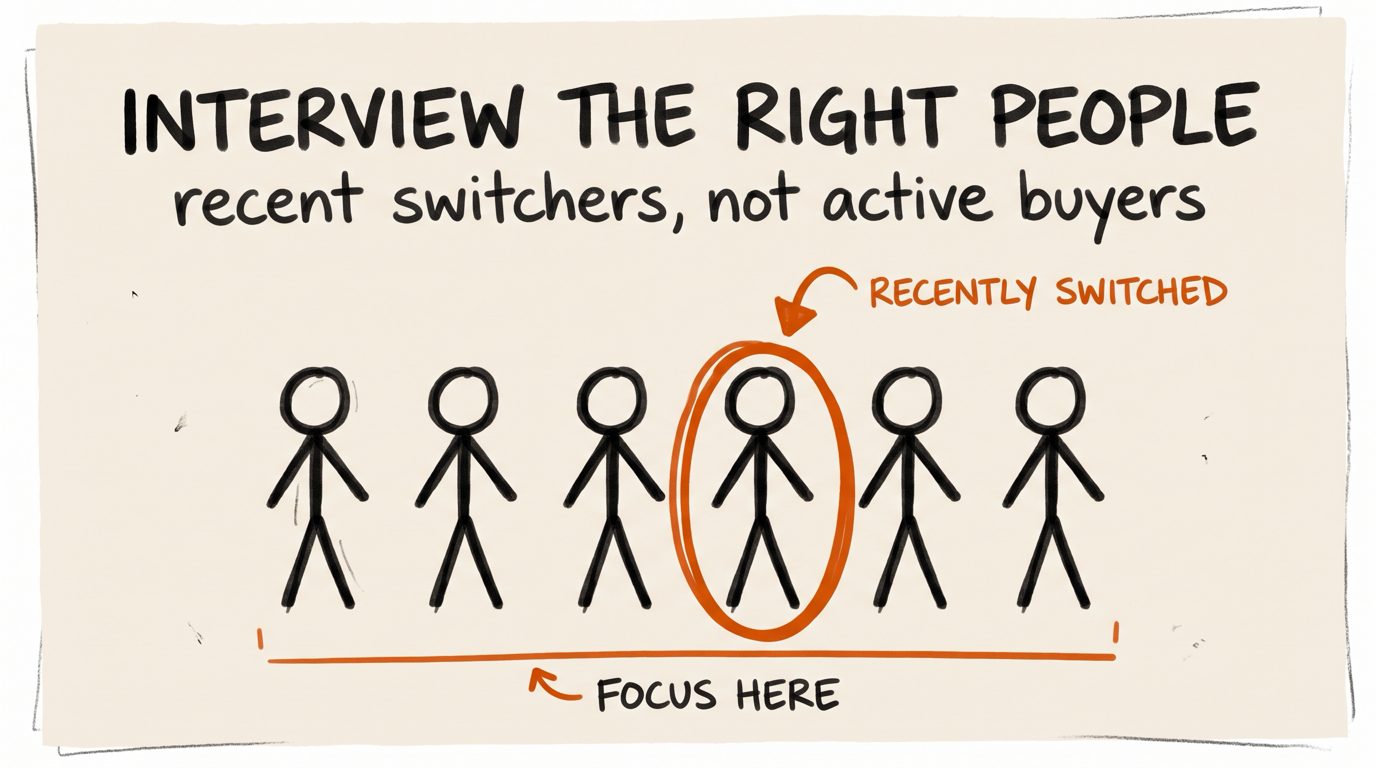
- 3 Common Customer Interviewing Mistakes
At the early stages of a product, before problem/solution fit, customer interviews are the best (and fastest) way to learn from customers....
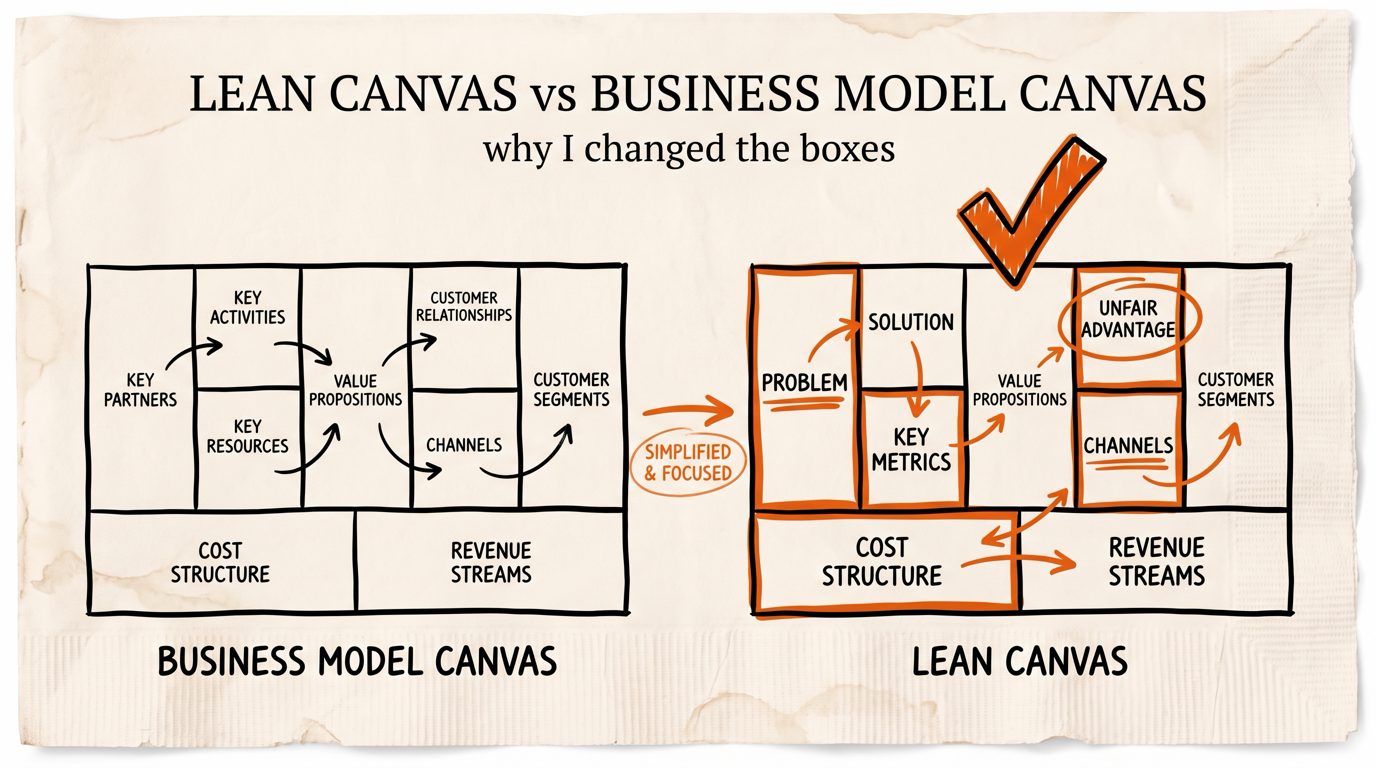
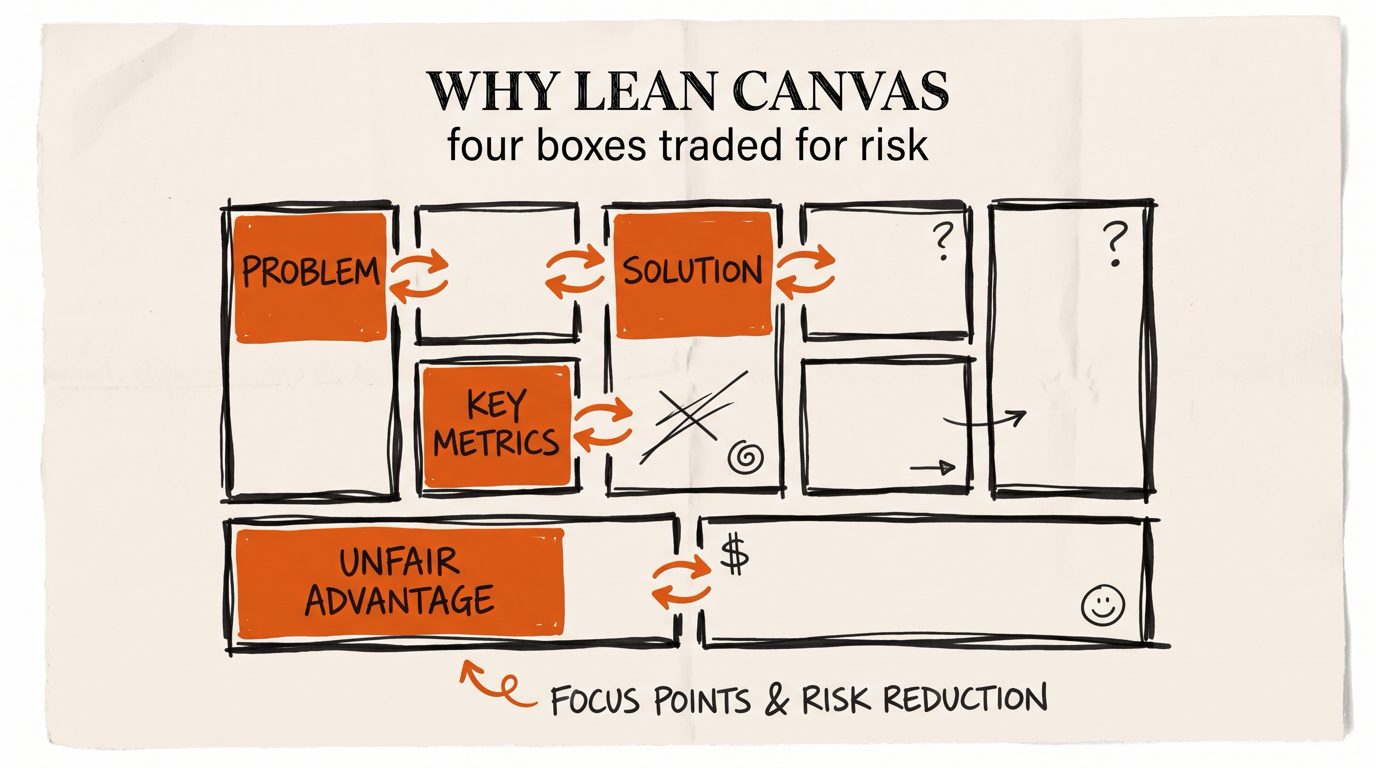
- Why Lean Canvas versus Business Model Canvas
I often get asked why I created a different adaptation from the original Business Model Canvas by Alex Osterwalder. Lately, this question has bubbled up in frequency which is why I decided to take ...
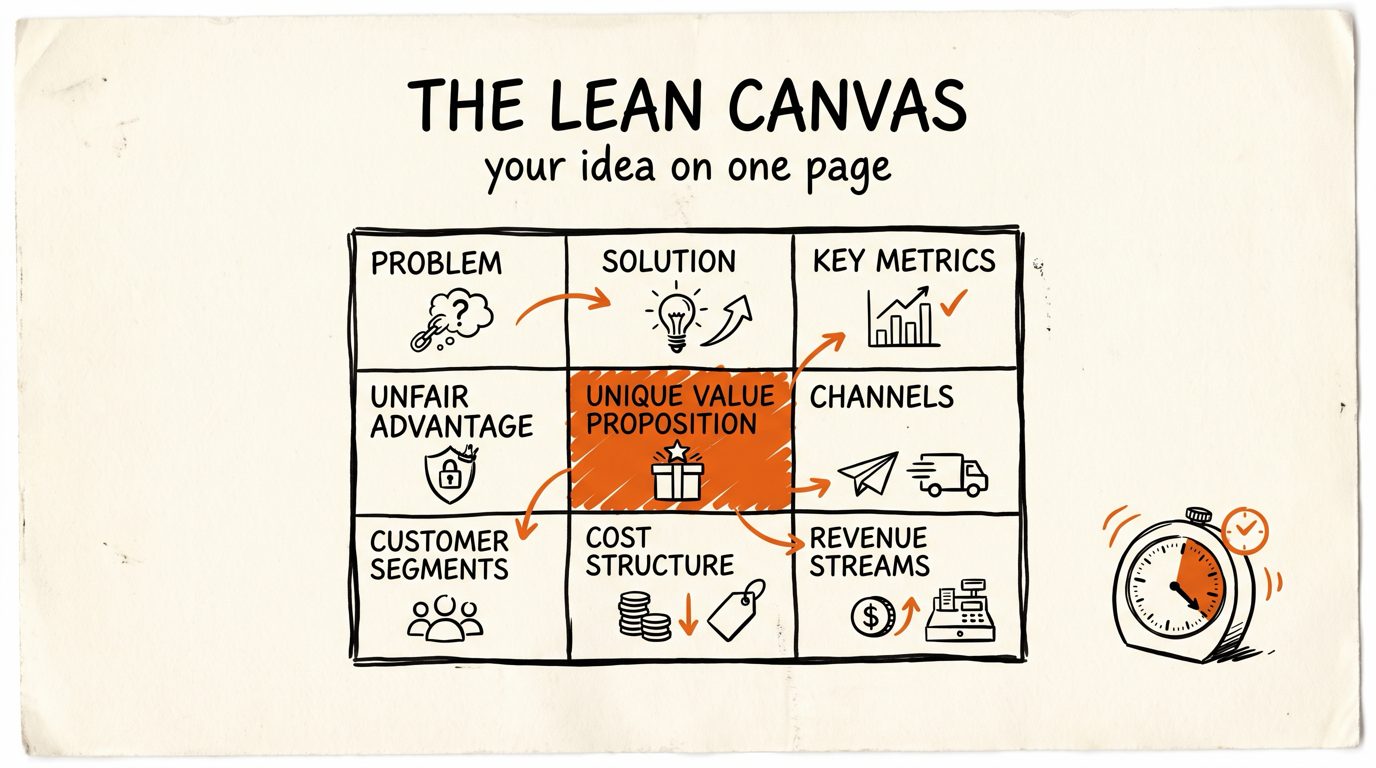
- What is a Lean Canvas?
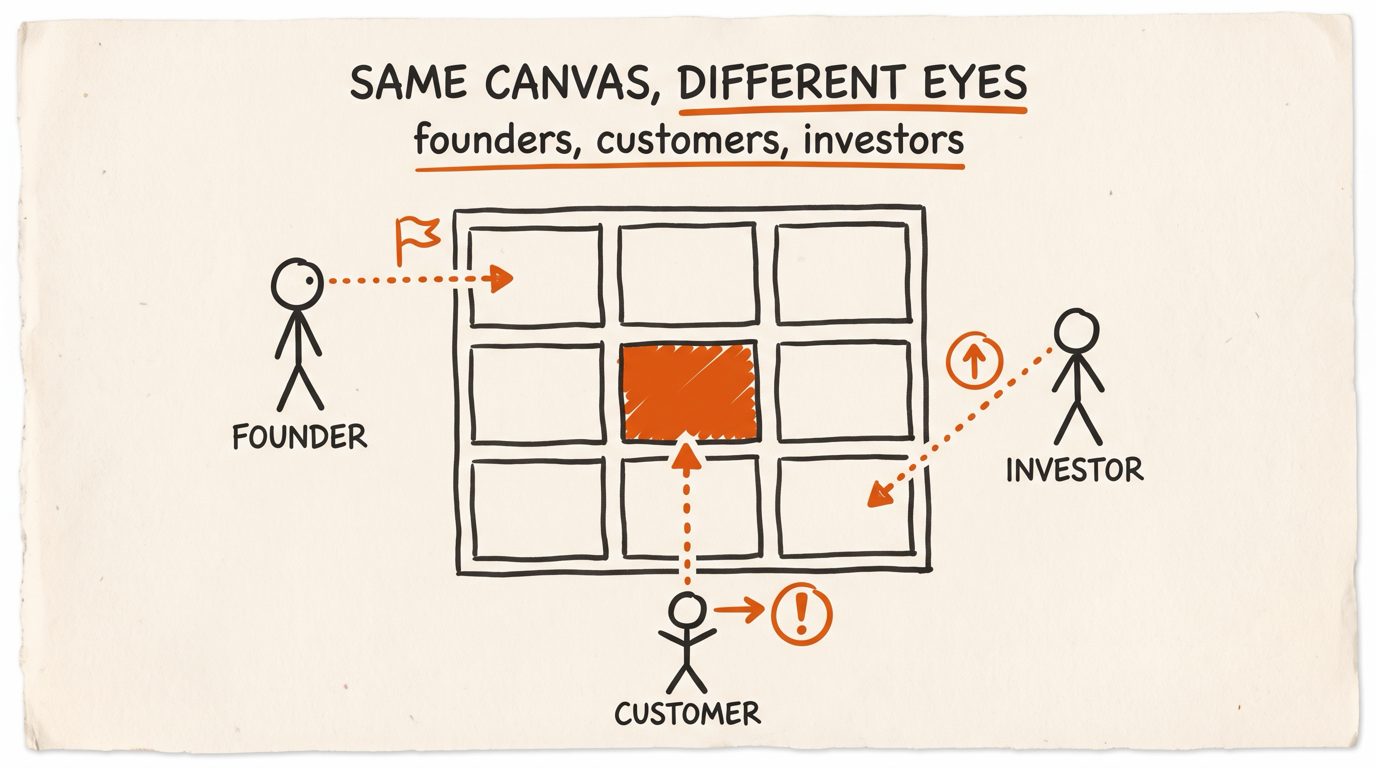
A Lean Canvas is a 1-page business modeling tool that helps you deconstruct an idea into key assumptions or beliefs.
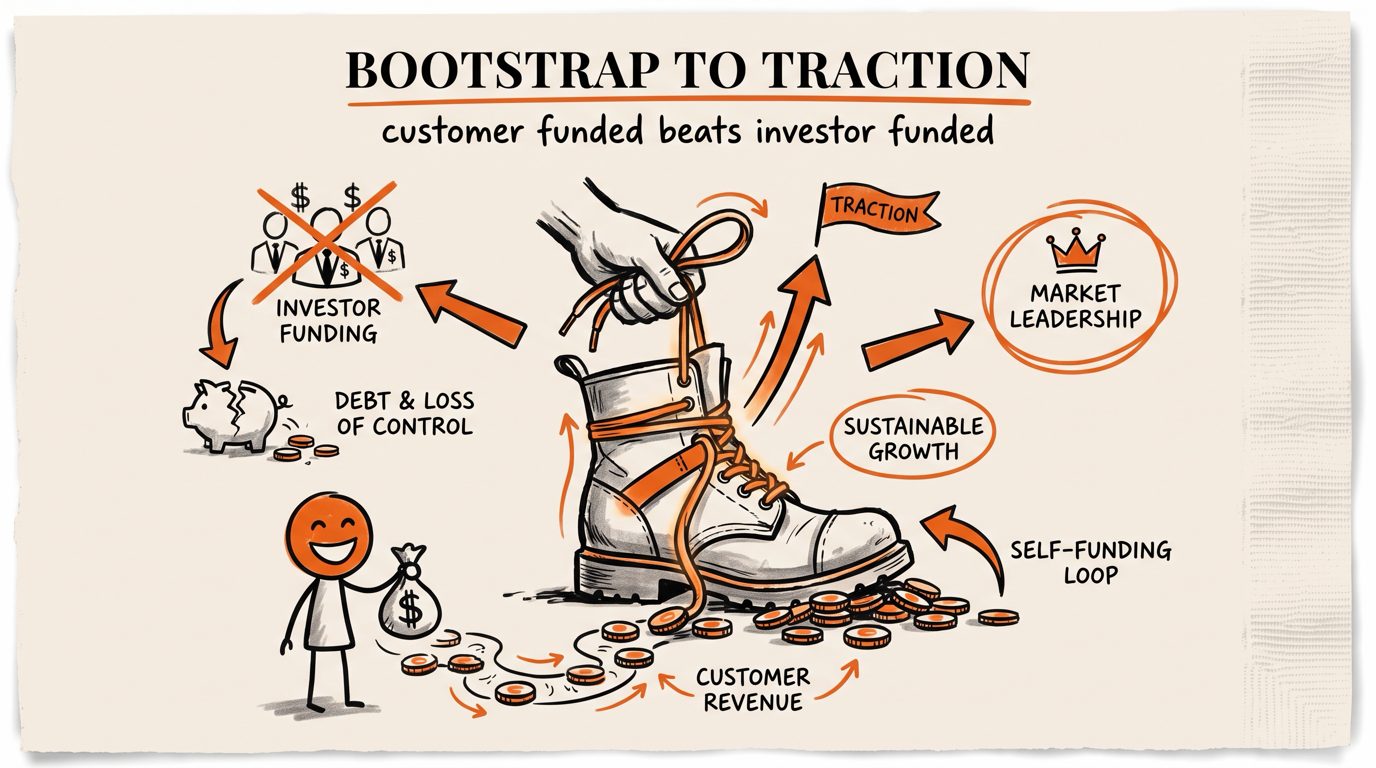
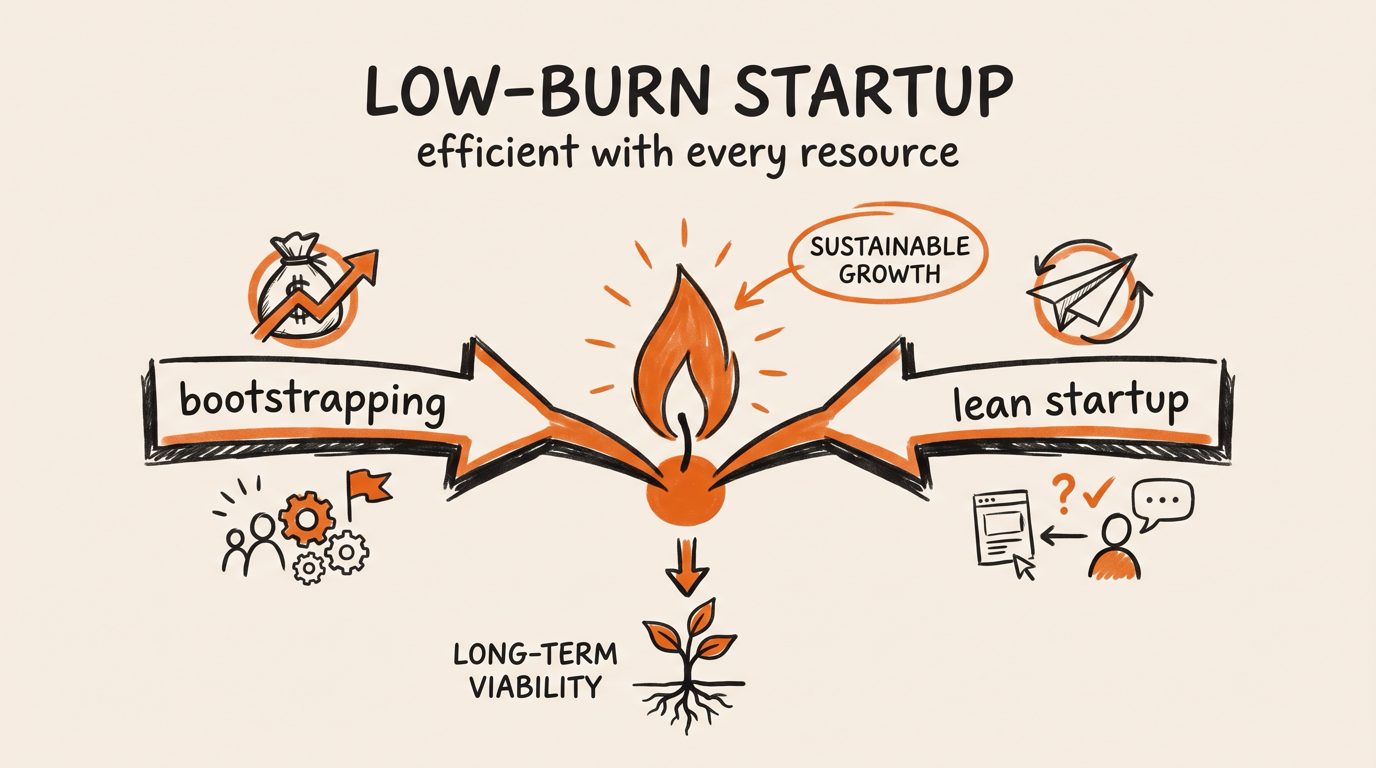
- The Bootstrapping Startup Operating System
Bootstrapping an idea is more relevant today than ever, but the rules have changed.
- The Just Start Manifesto: You Don’t Need Permission to Start
Twenty-three clauses on why you don’t need permission to start. Cost was never the obstacle. It was the guardrail, and AI removed it.
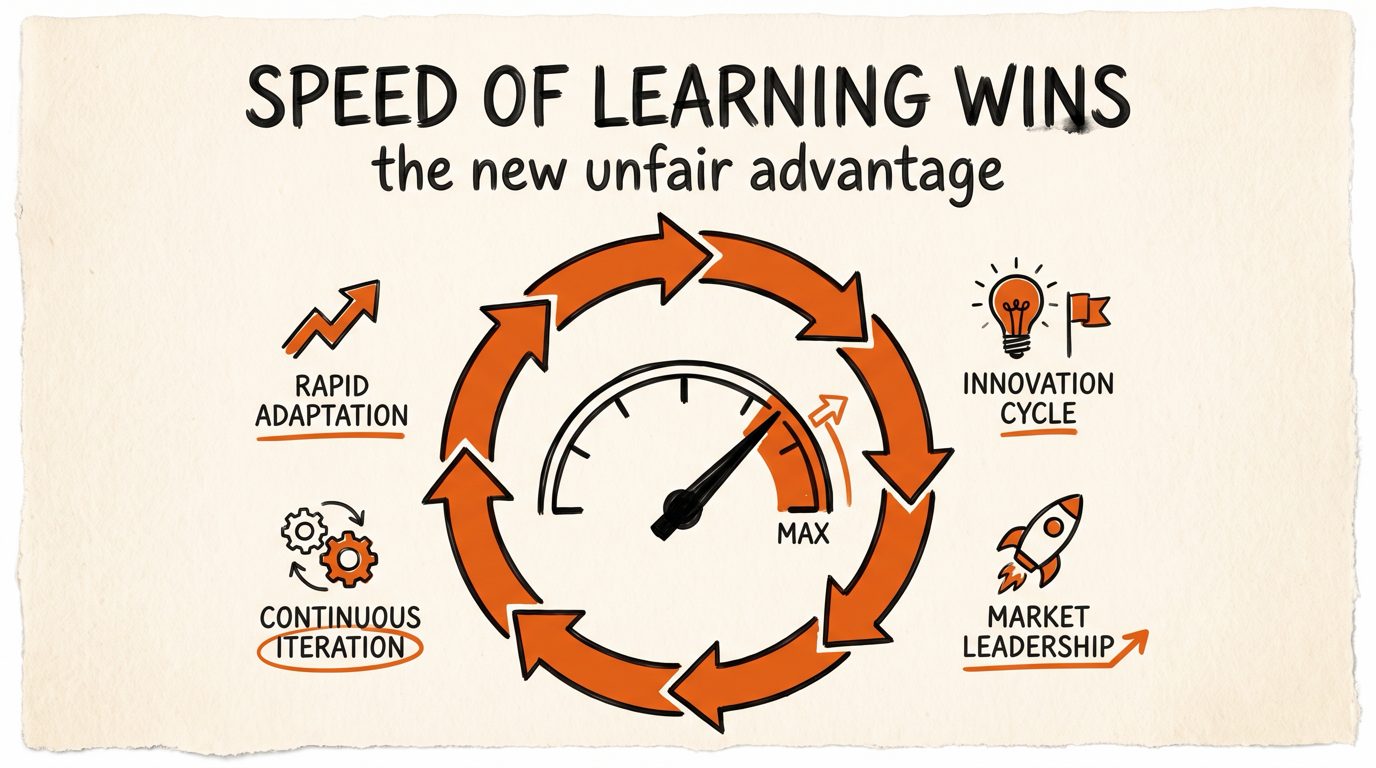
- What is Continuous Innovation?
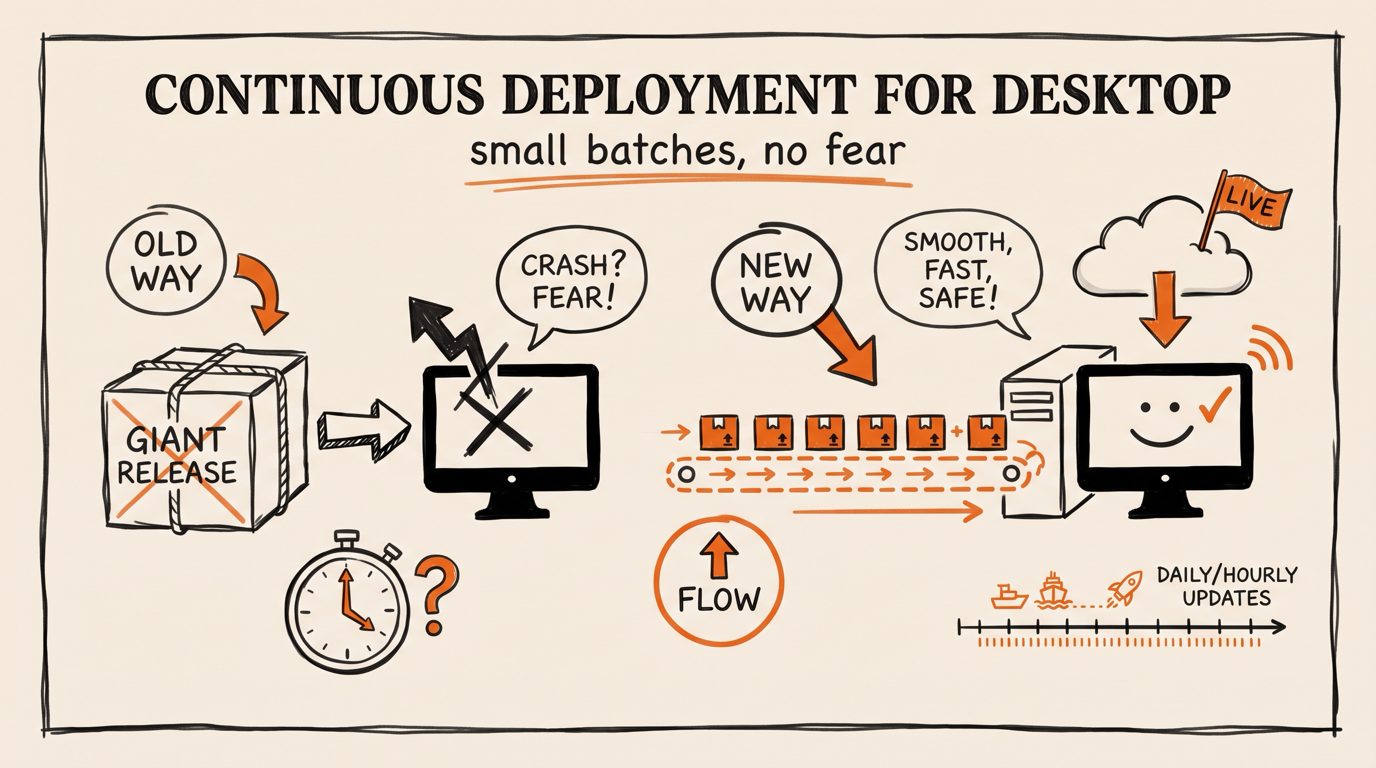
As products have gone from being delivered in a box to being delivered over the Internet, there’s been a dramatic shift in how customers consume, demand, and interact with products.
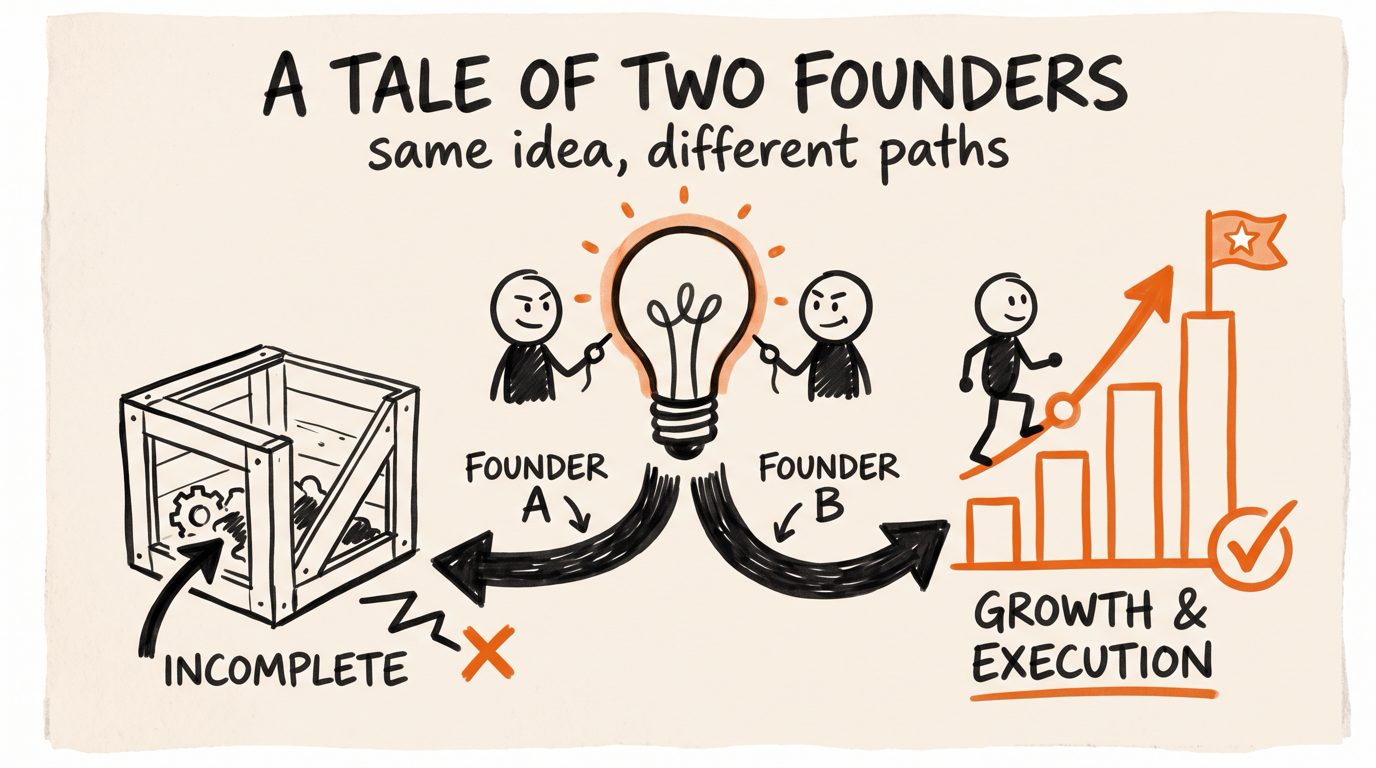
- A Tale of Two Entrepreneurs
Both of them studied at the same university and got good grades, and after graduation, both worked at a high-tech startup where they quickly grew into key roles. After a few years, they both got hi...
2023
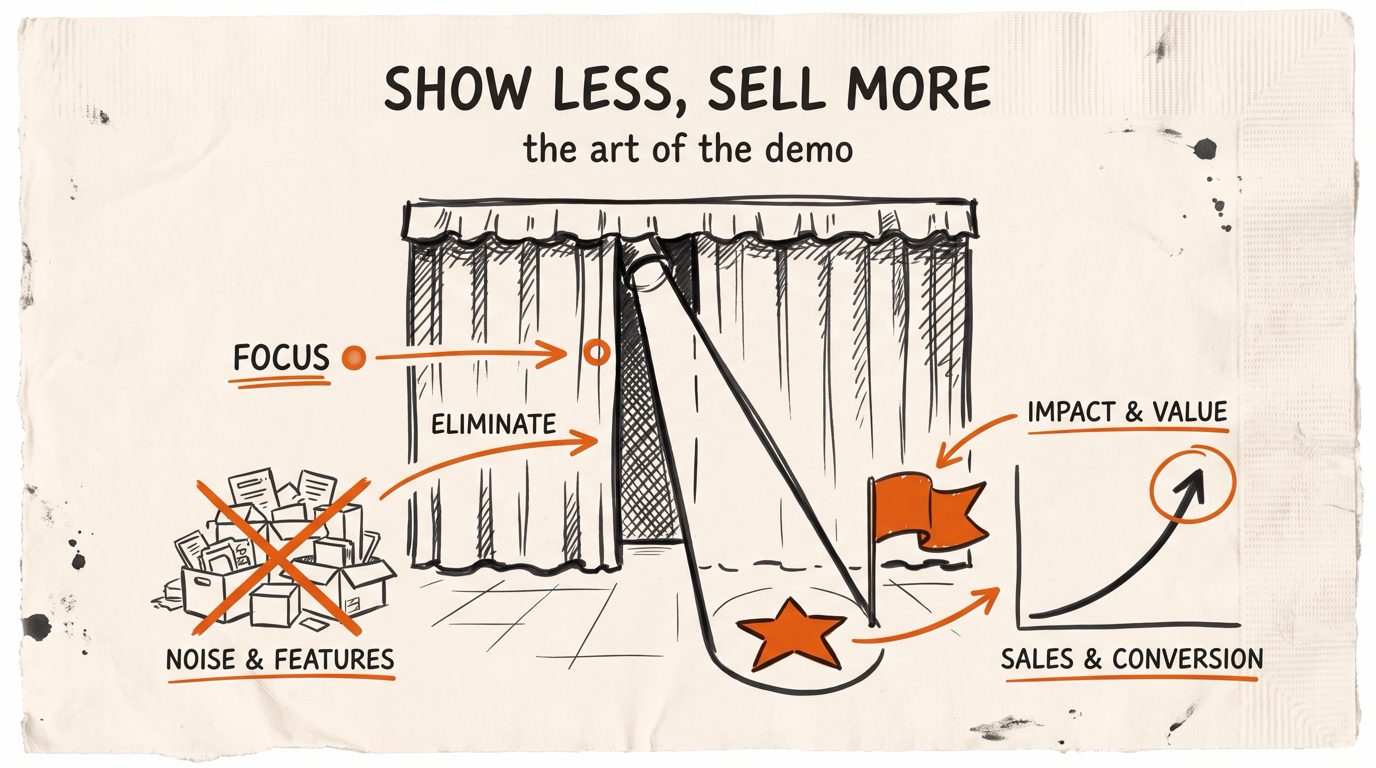
- The Art of the Demo
Me: You seem to have identified a big-enough customer problem that you have a plausible solution to (feasible)… What’s keeping you from closing customers?
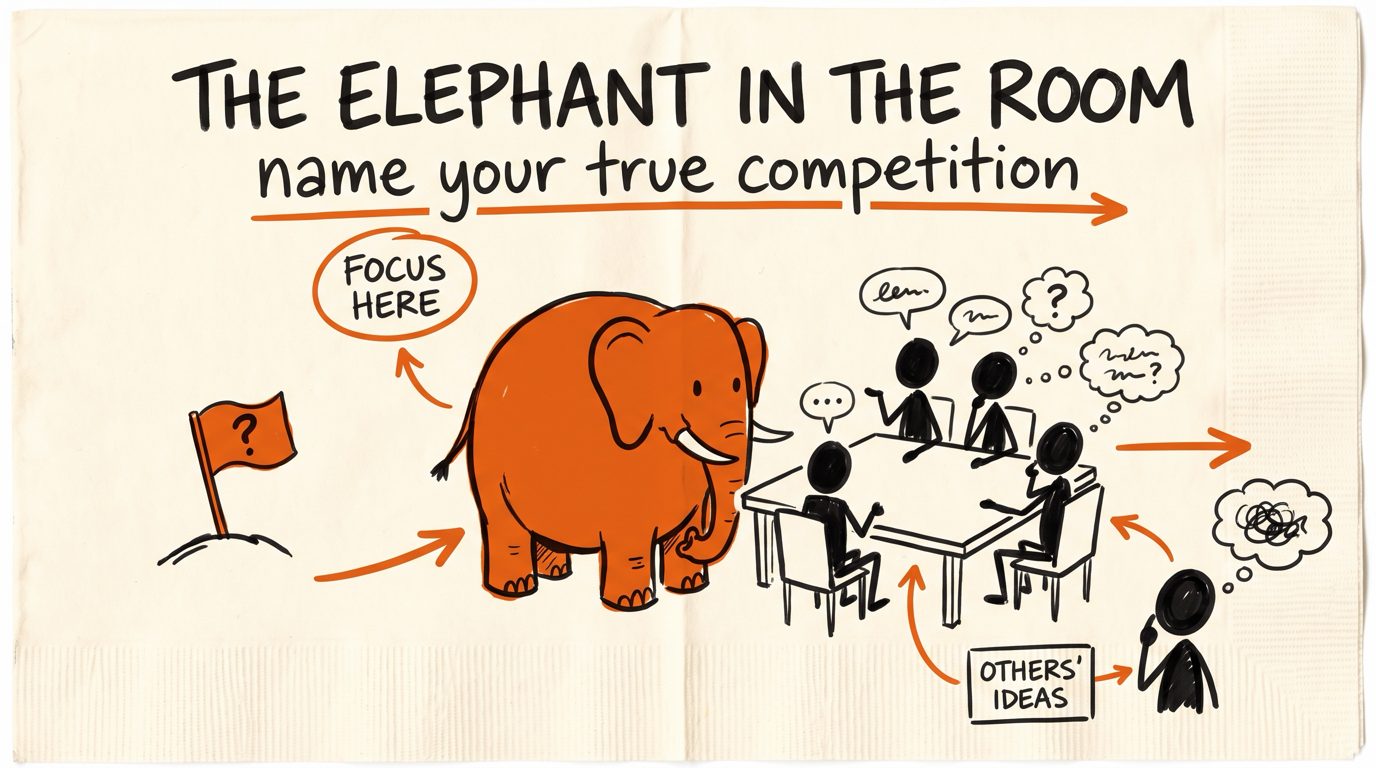
- Position Against Your True Competition to Win the Customer
Most entrepreneurs never bring up their true competition during a product pitch because either they
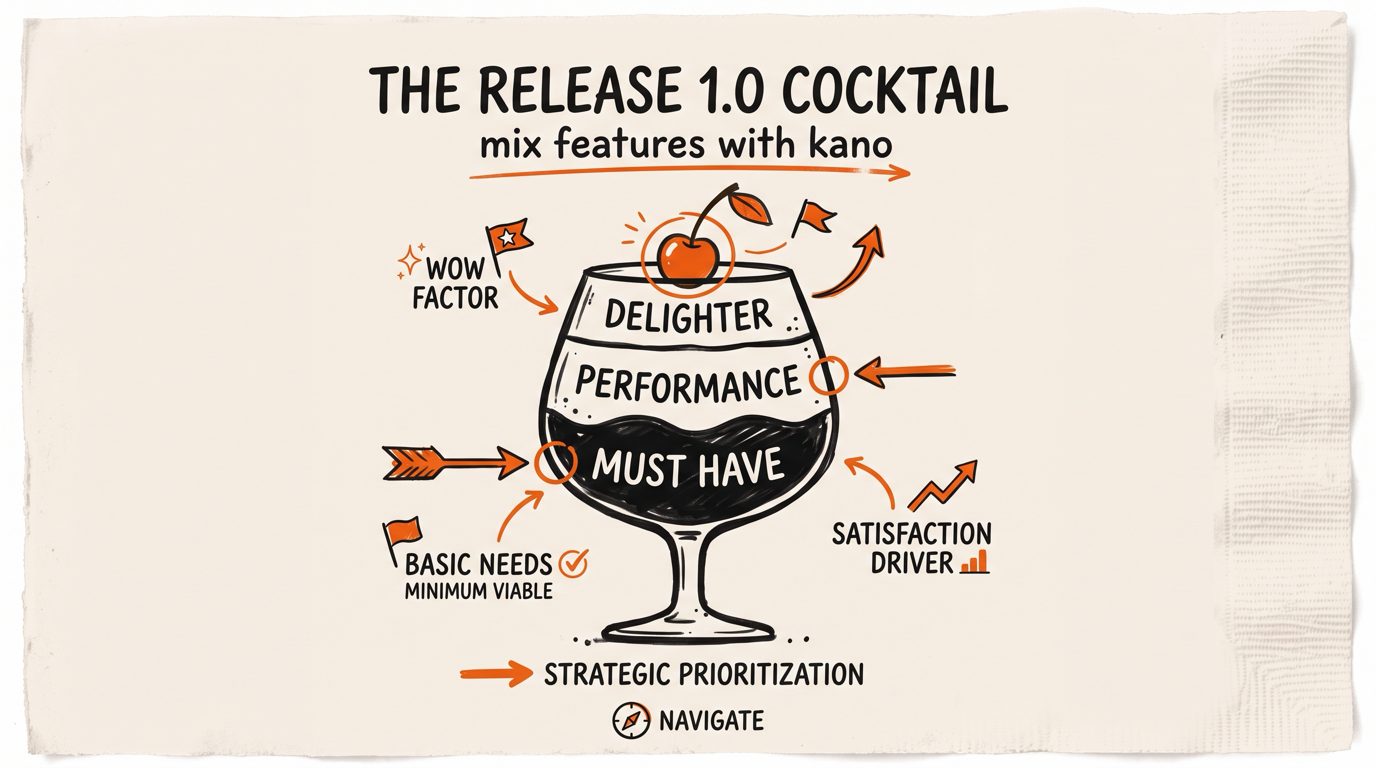
- Nailing Release 1.0
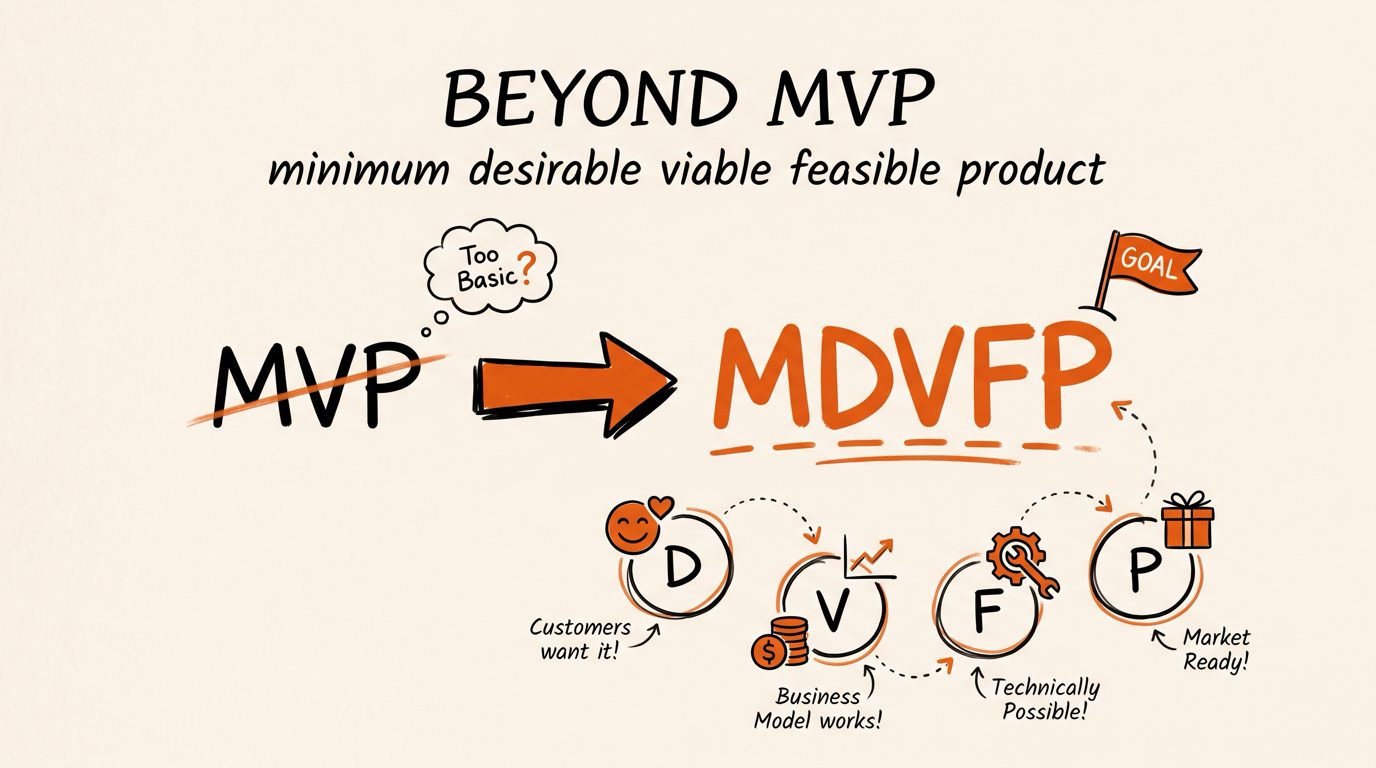
I recently declared that I’m moving away from MVP in favor of:
- Moving beyond MVP
After 14 years, I'm abandoning the MVP.
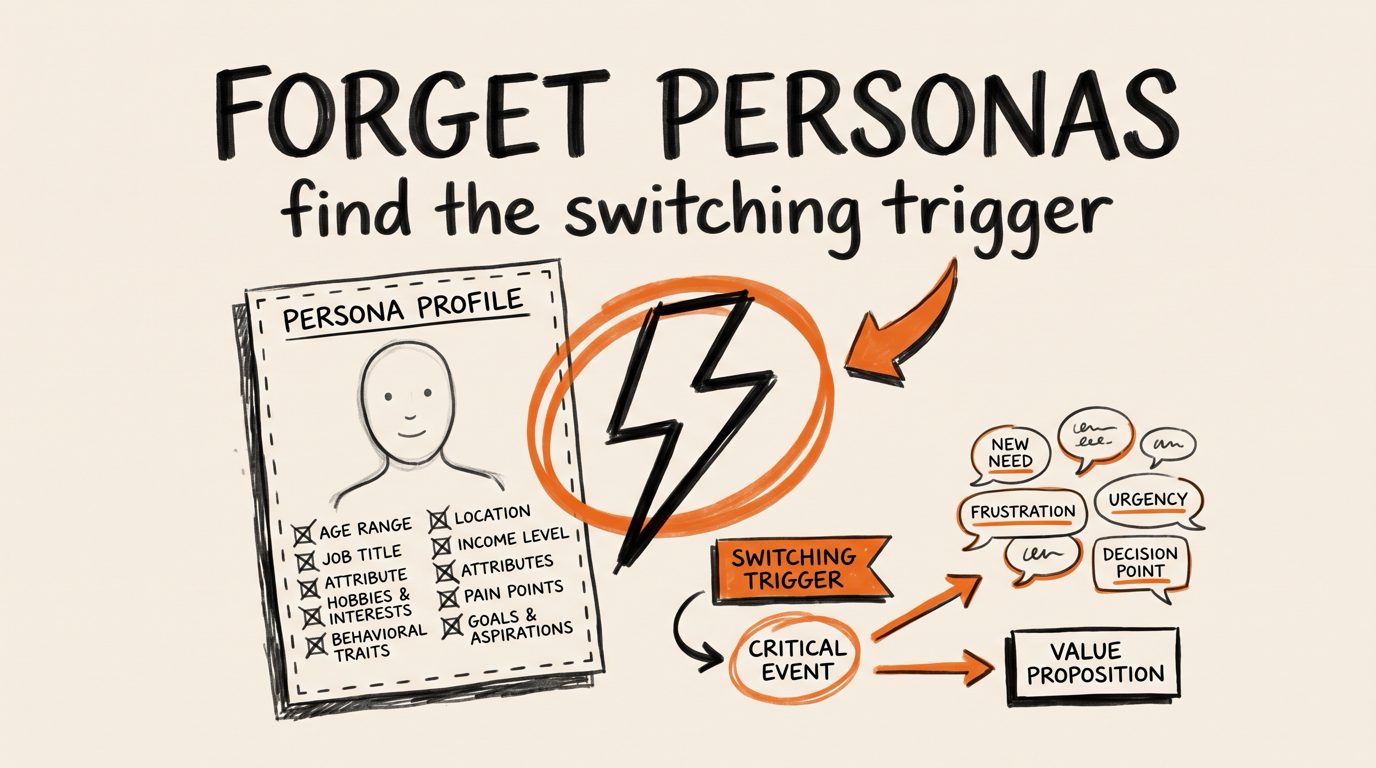
- Forget Personas
If you were a marketer at a mattress company, when is the best time to run an infomercial?
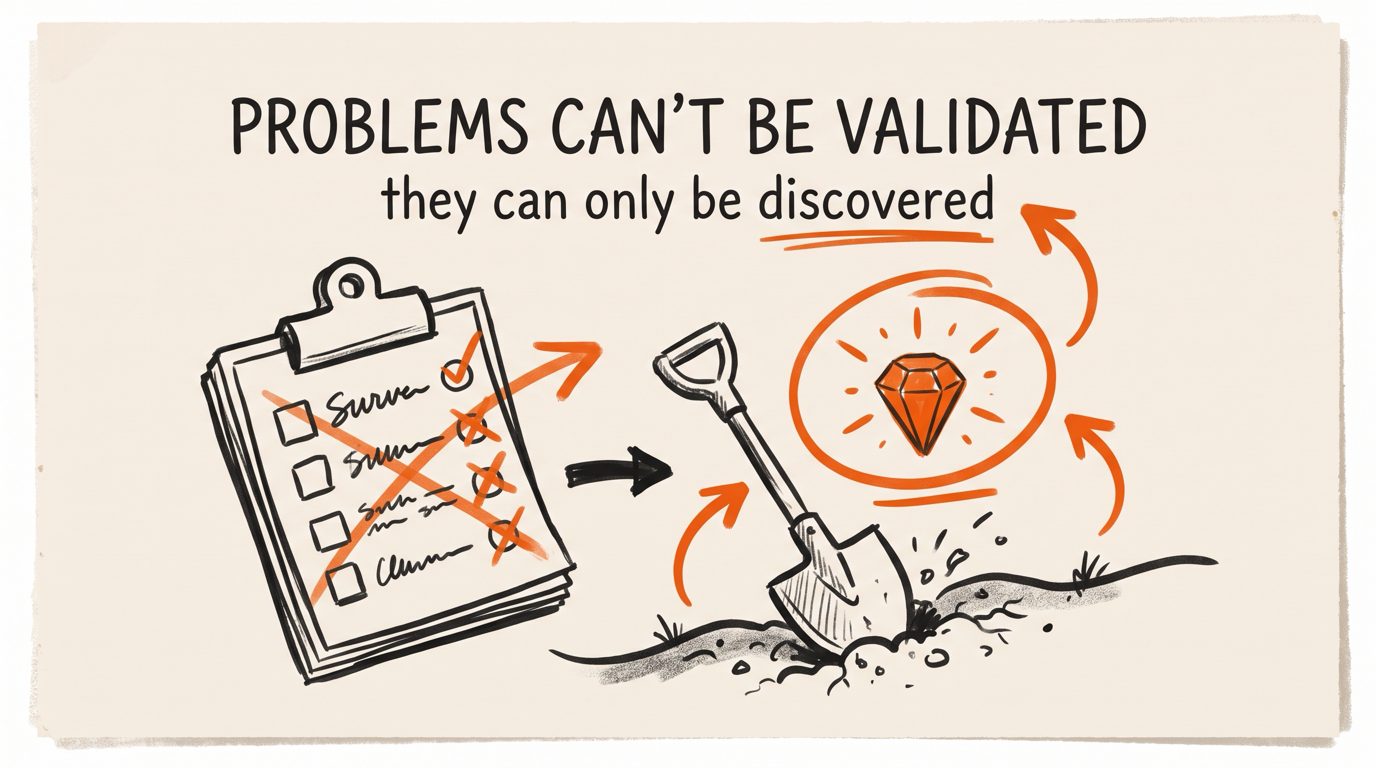
- Stop Trying To Validate Problems
When asked to do the smallest thing to learn from customers, the first instinct of many founders is to run a survey.
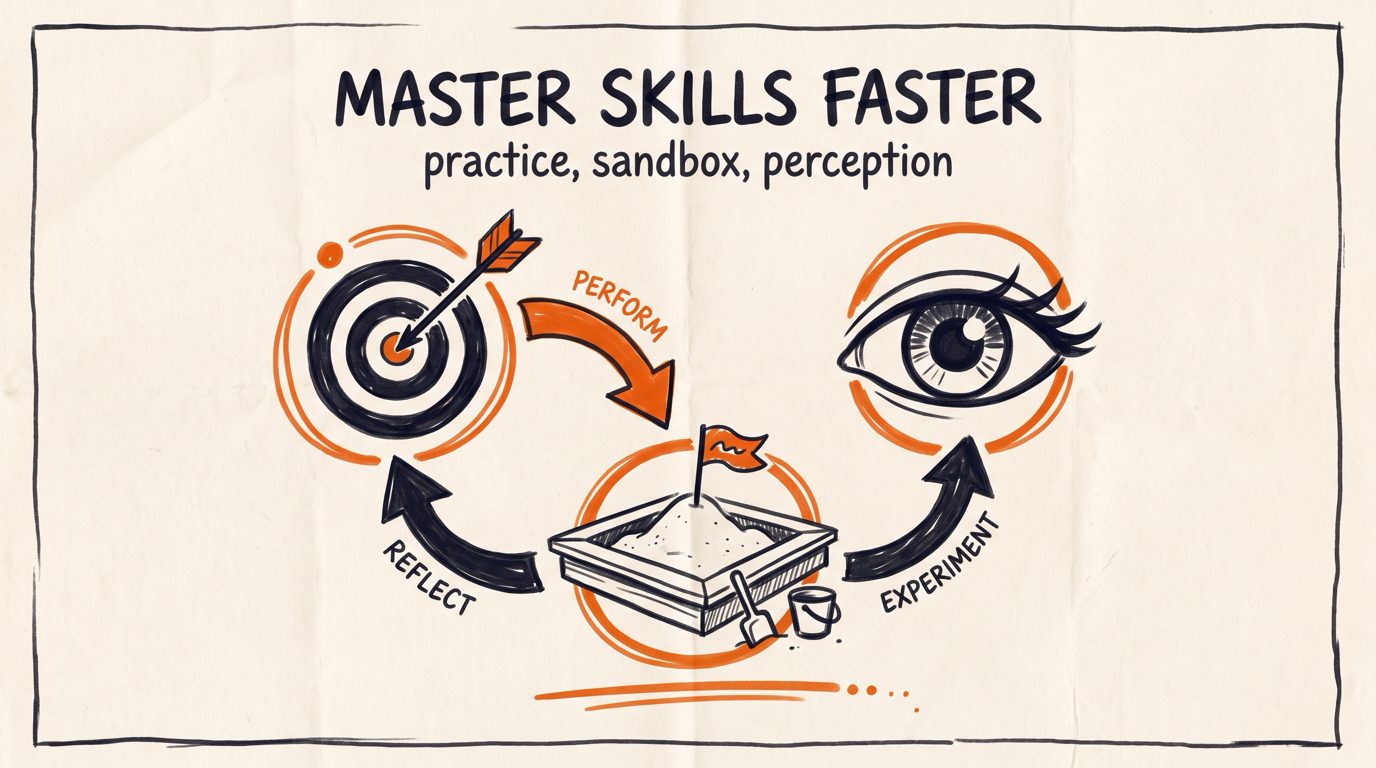
- 3 Hacks to Mastering Any Skill Quickly
Cultivating a learning mindset is a key skill in any field.
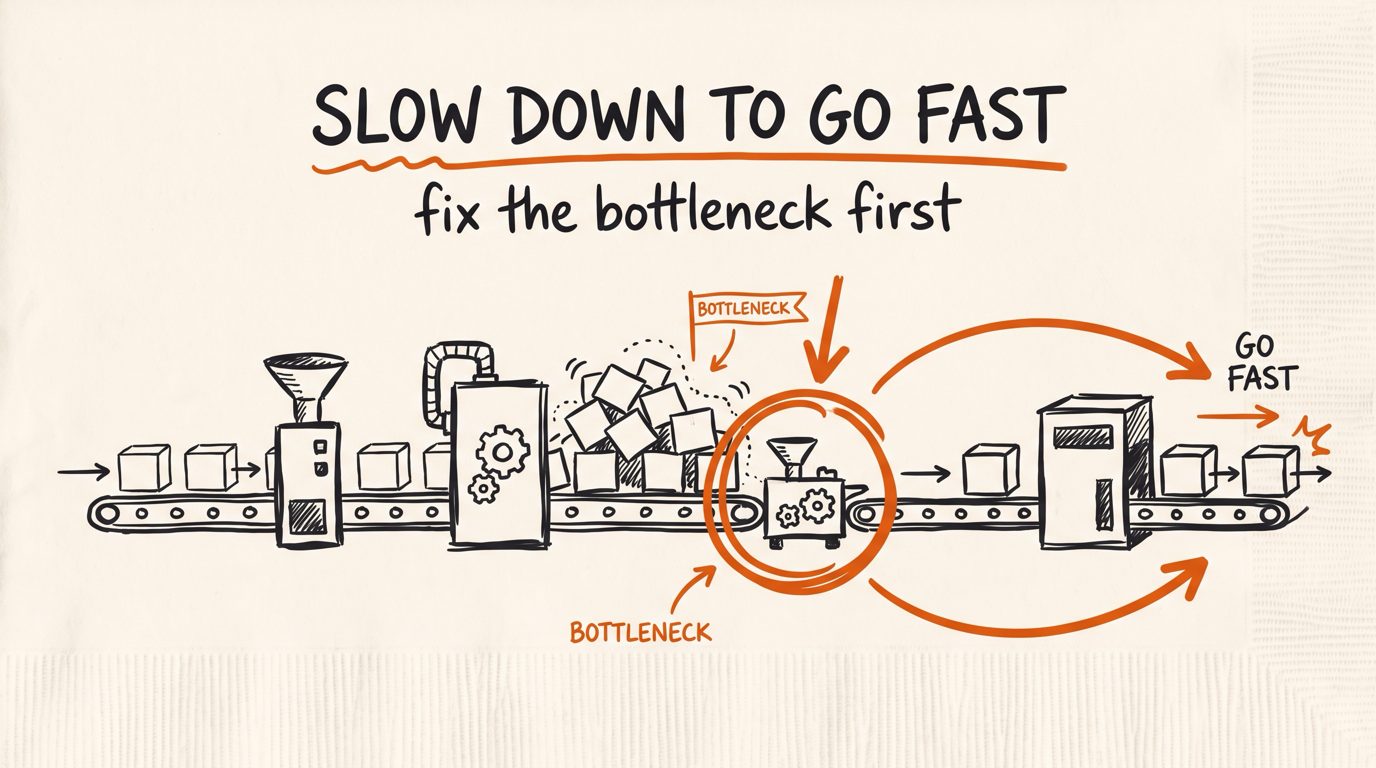
- Slow Down to Go Fast
Most entrepreneurs are understandably in a rush to get to the right side of the hockey-stick curve (aka scaling).
2022
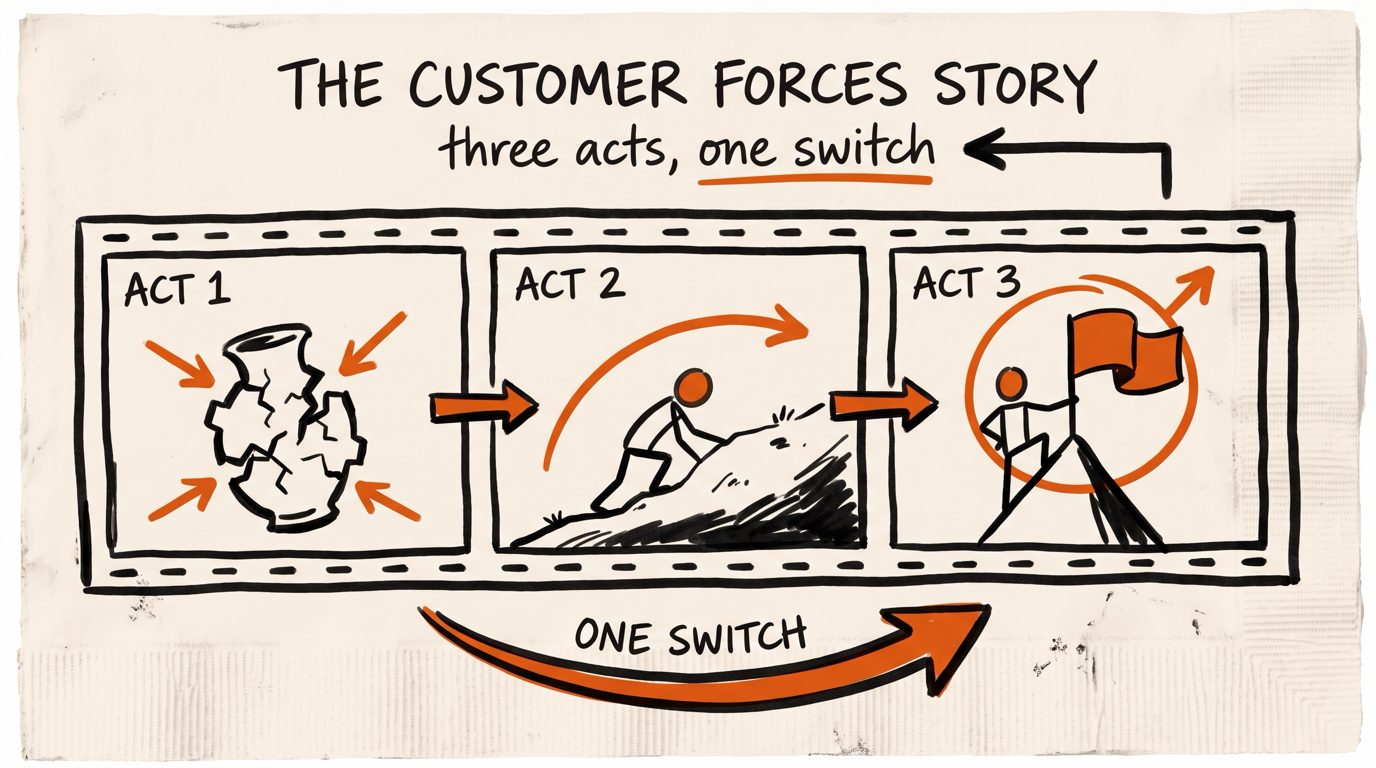
- Extending the Job Story to a Customer Forces Story
Customer Forces Stories are a powerful way of summarizing customer conversations during your search for problem/solution fit.
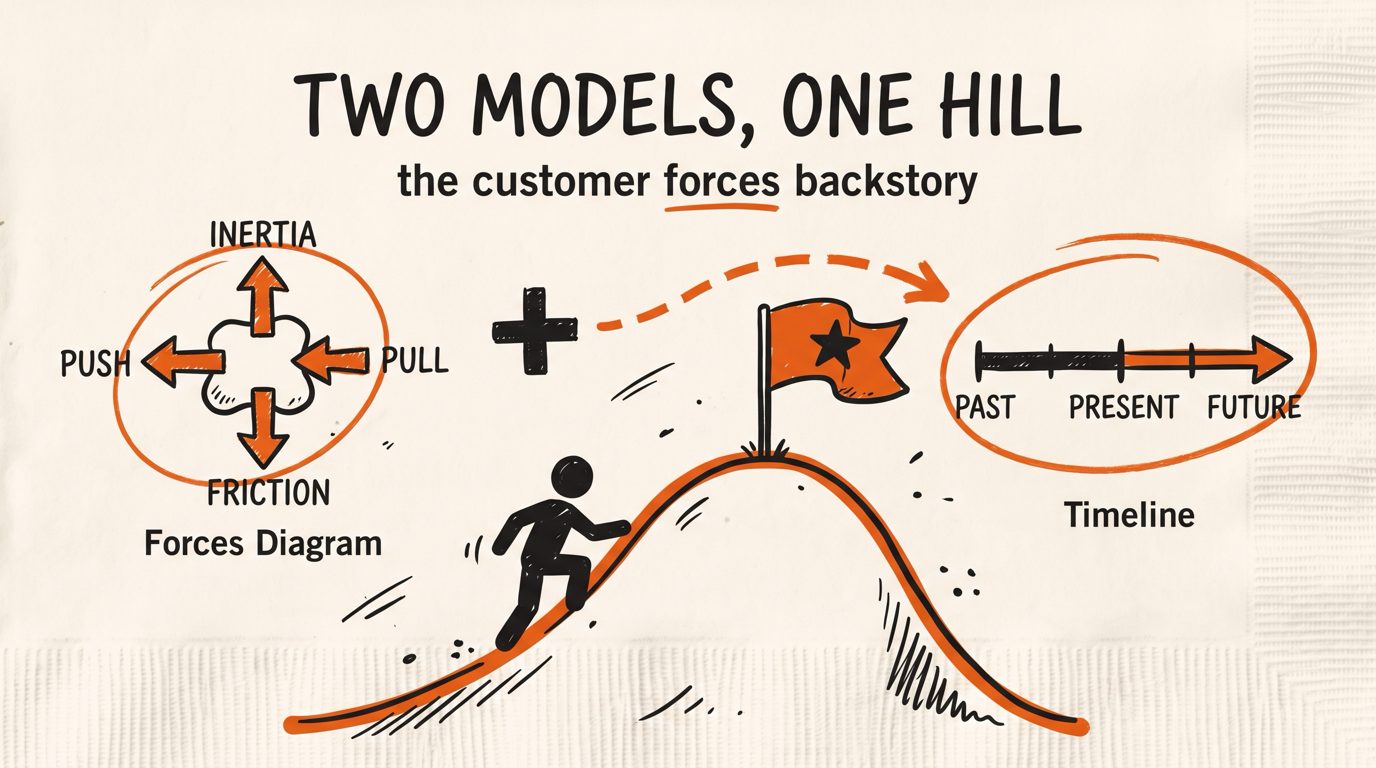
- The Backstory Behind Customer Forces Stories
Good customer / problem discovery is key to achieving problem/solution fit.
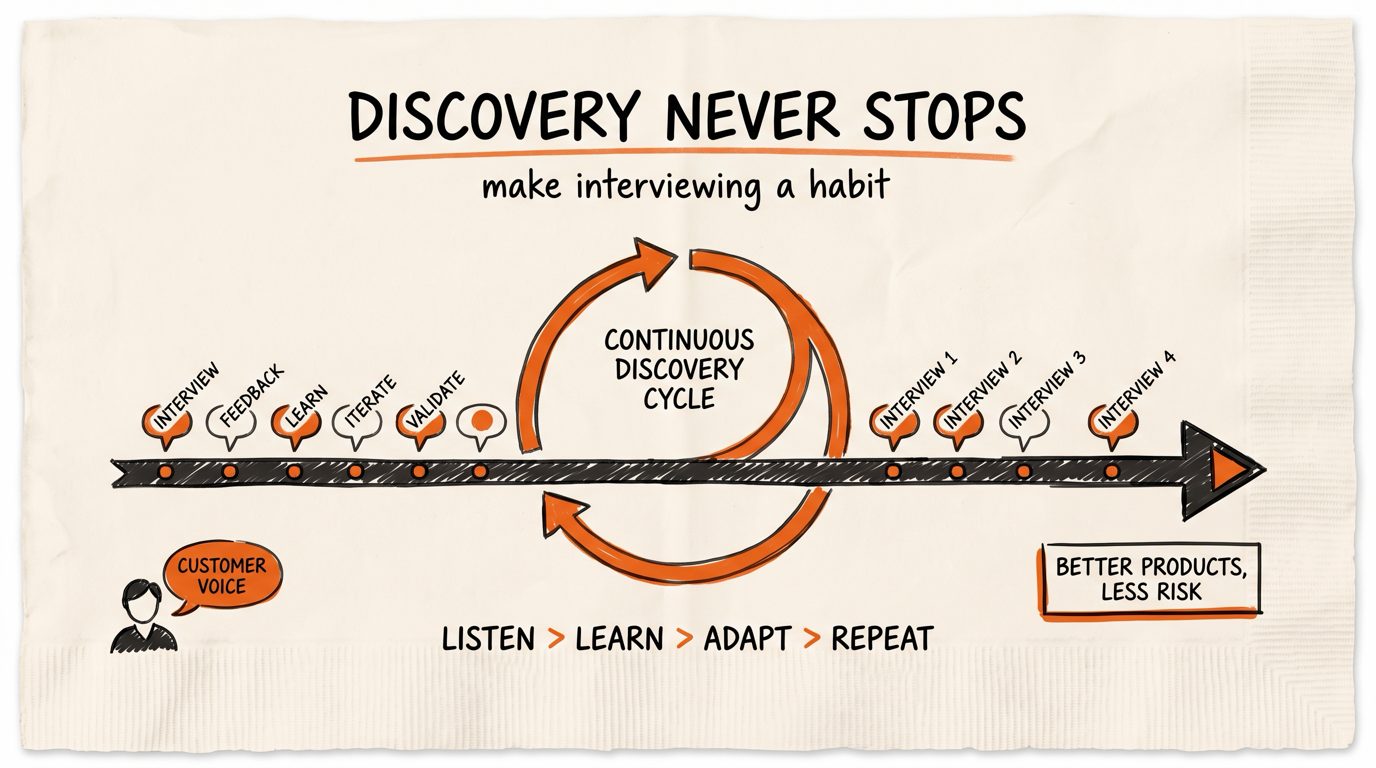
- When Do You Kickoff a (Customer) Problem Discovery Study?
As product development has become easier, the battle for attention has become harder.
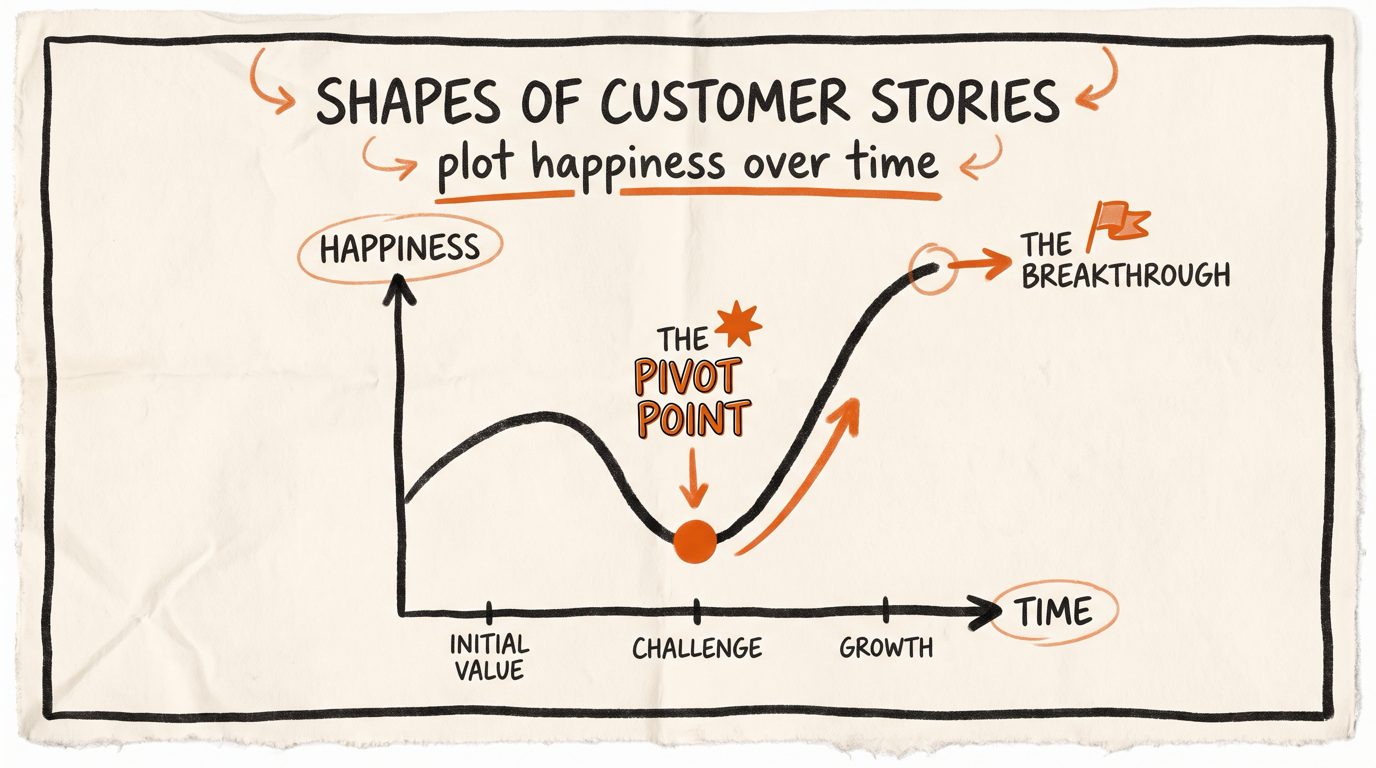
- The Simple Shapes of Customer Stories
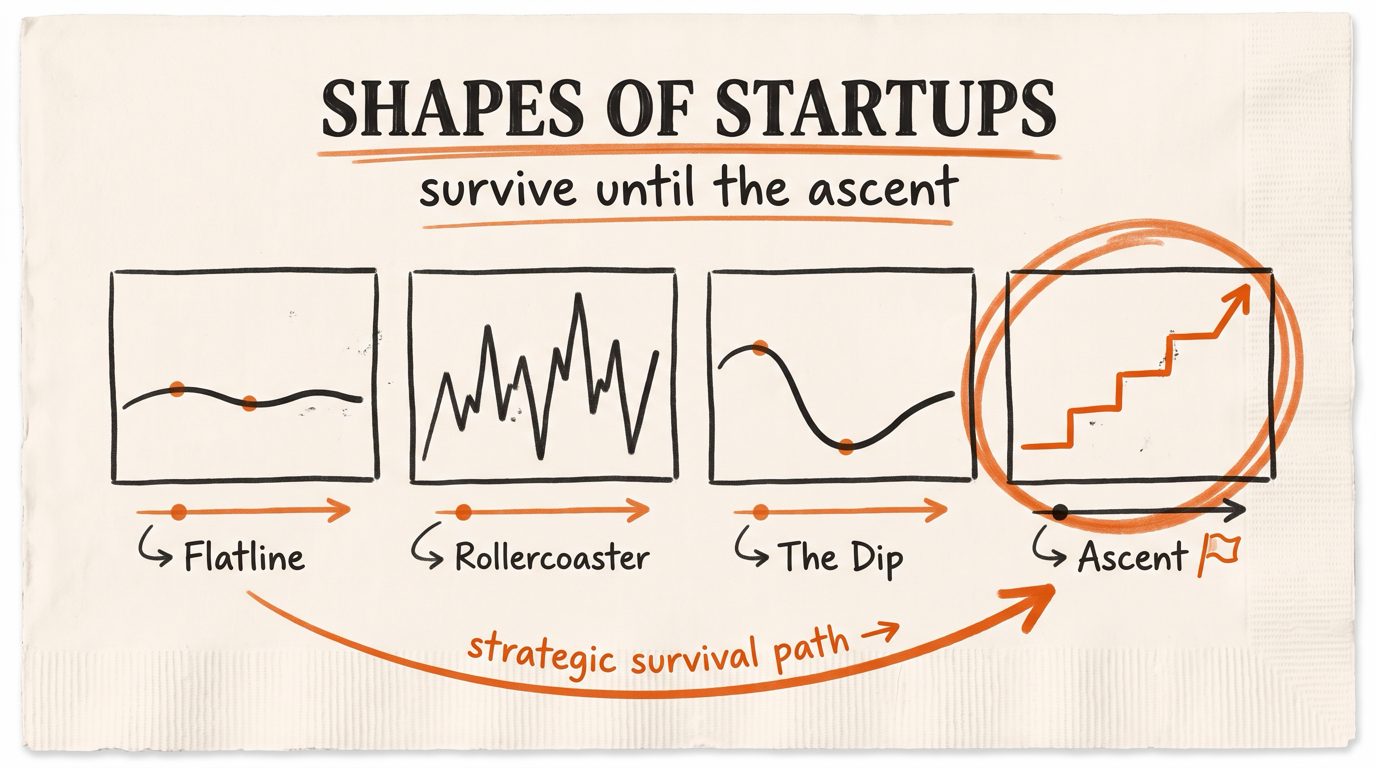
Inspired by Kurt Vonnegut’s lecture on “the simple shapes of stories,” I’ve previously riffed on The Simple Shapes of Startups. More…
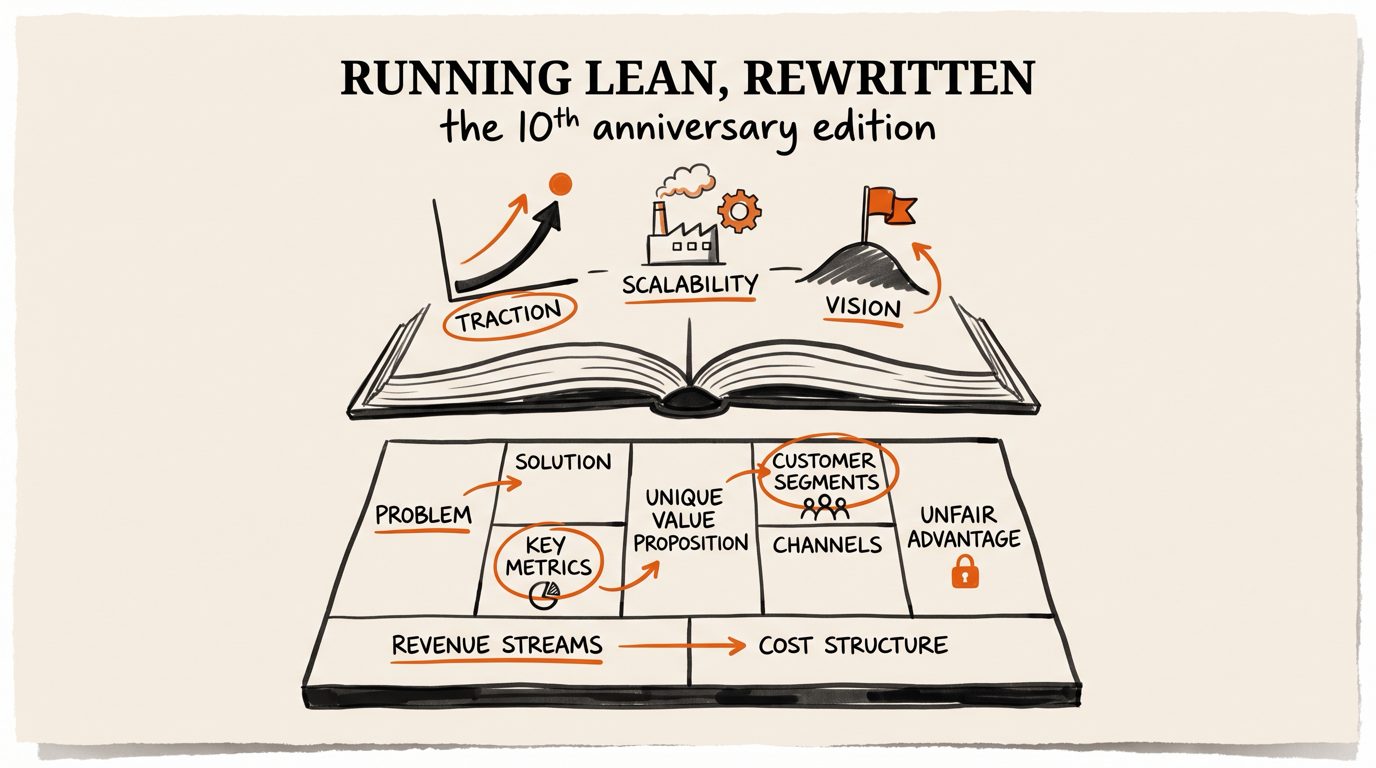
- Running Lean — 10th Anniversary Edition
Time flies. It’s been 10 years since the last edition of Running Lean. Since then, I’ve spent thousands of hours training and coaching…
2021
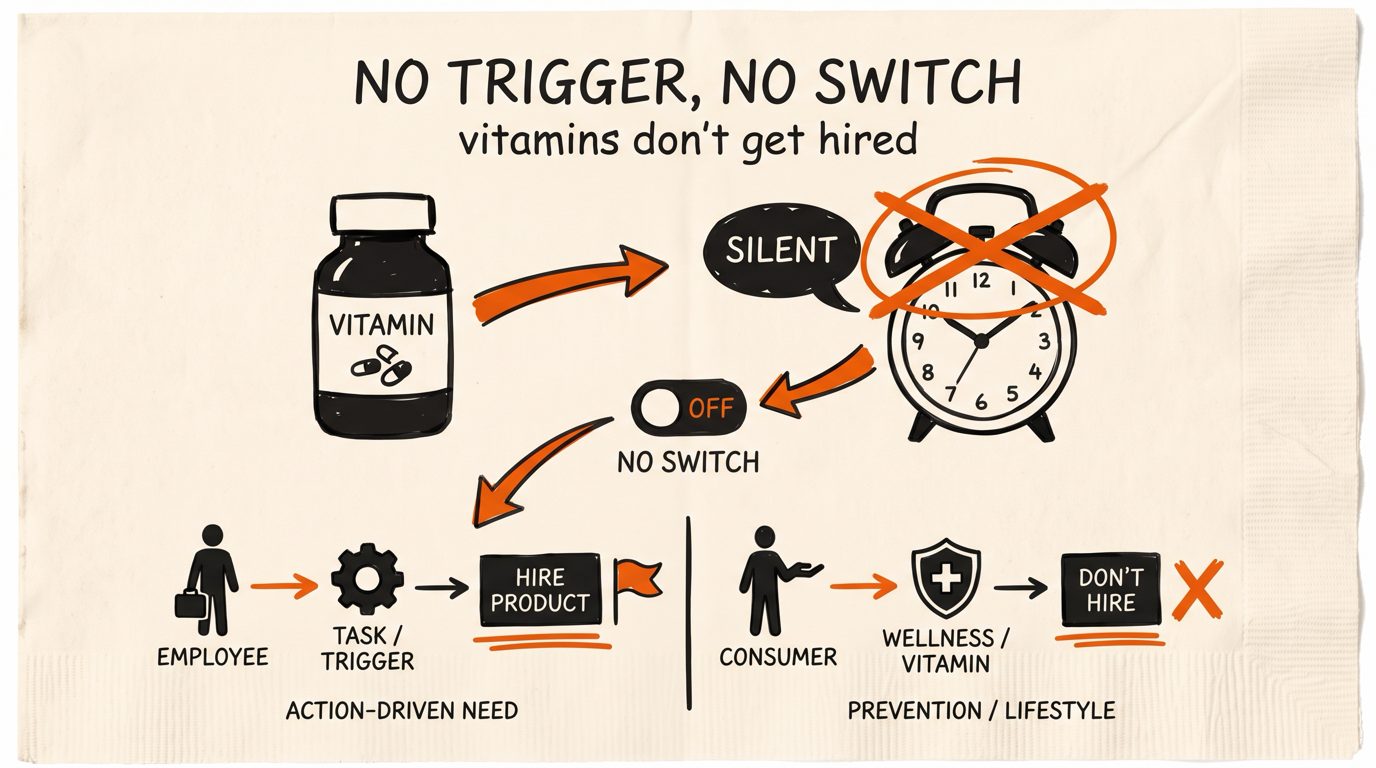
- Vitamins Don't Have a Triggering Event
Were you in the middle of launching a new product or startup when the pandemic hit? Like a lot of entrepreneurs, you probably hit the brakes on your project or put your new ideas on the back-burner...
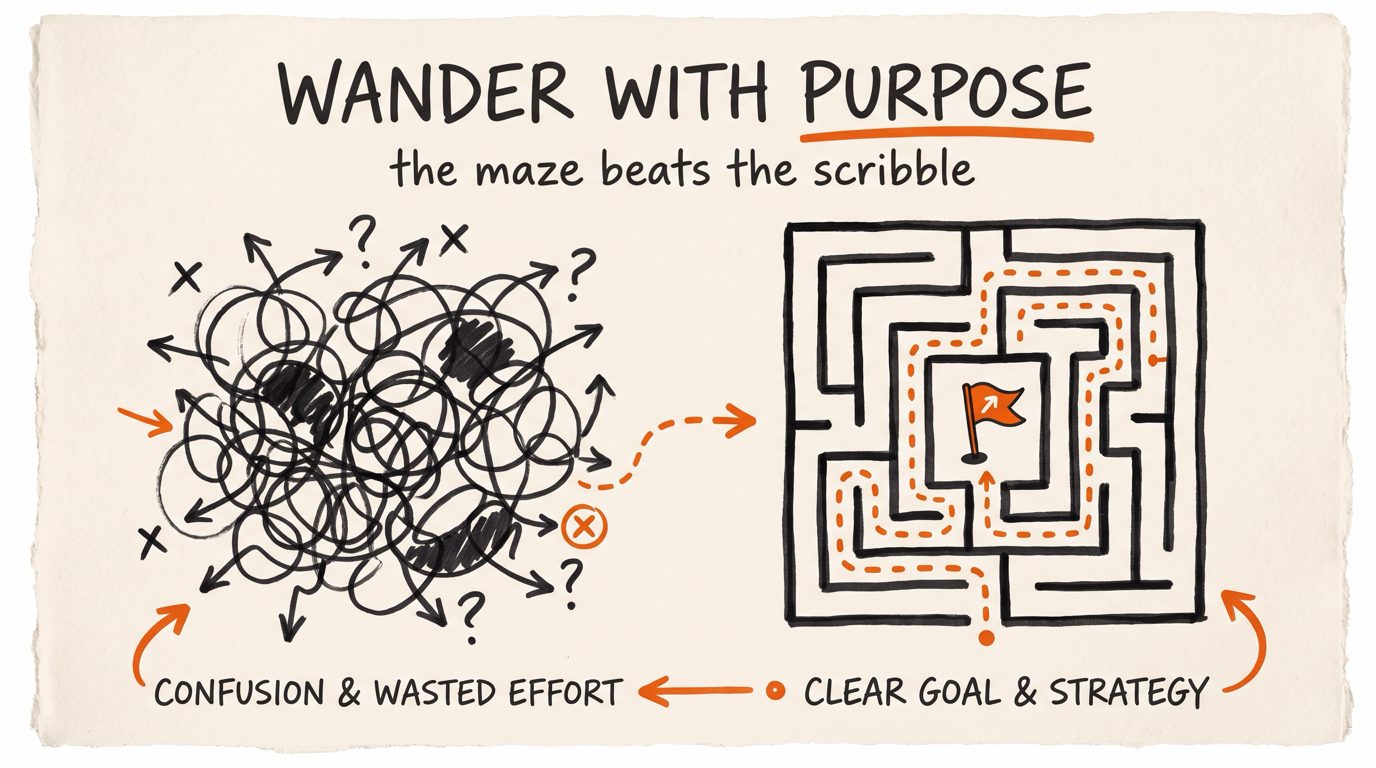
- All Those Who Wander Are Not Lost
Getting to product/market fit (aka the inflection point in the hockey-stick curve when a product's traction starts rapidly growing) is one of the most significant milestones for a startup.
- We teach continuous innovation which has deep roots in agile and iterative experimentation (Lean…
While you need milestones to be well-defined, how one actually achieves them may not necessarily be well-defined or linear, but iterative…
2020
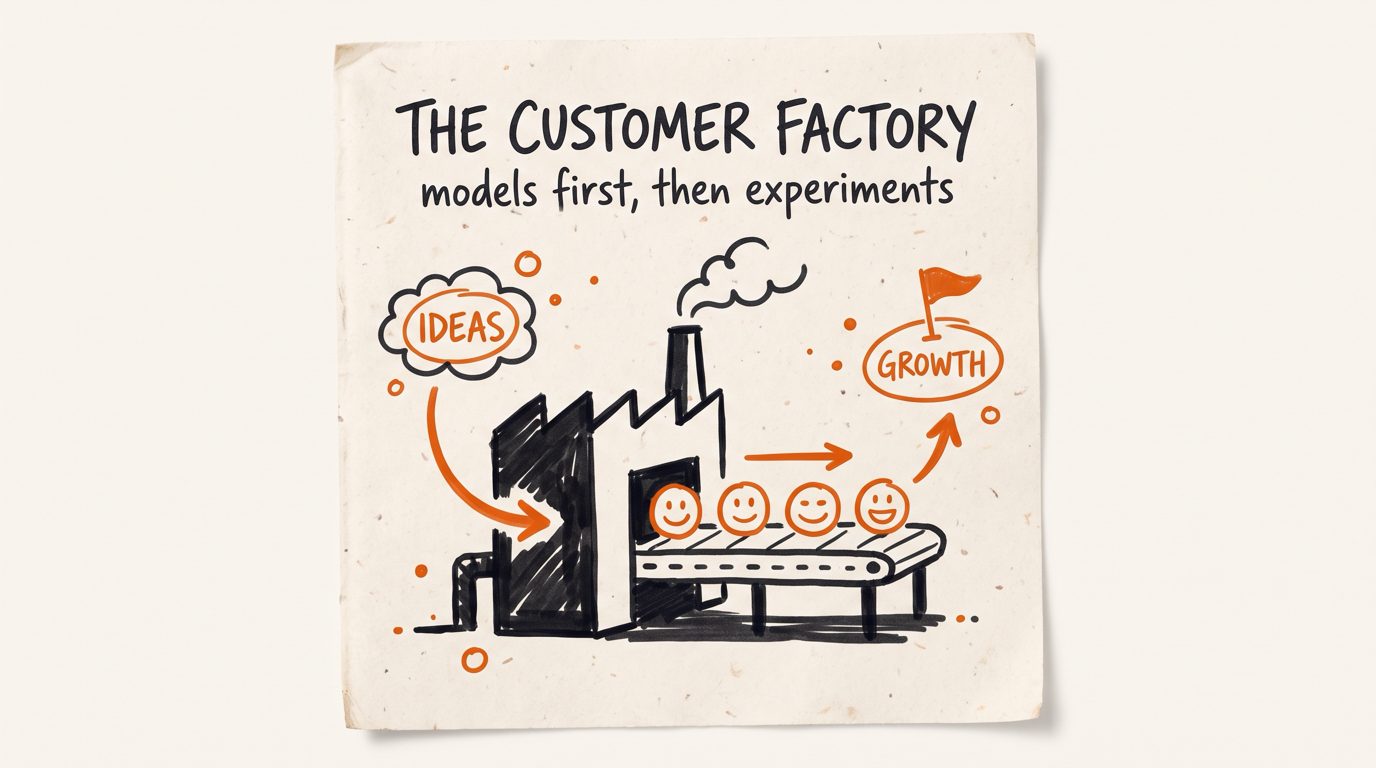
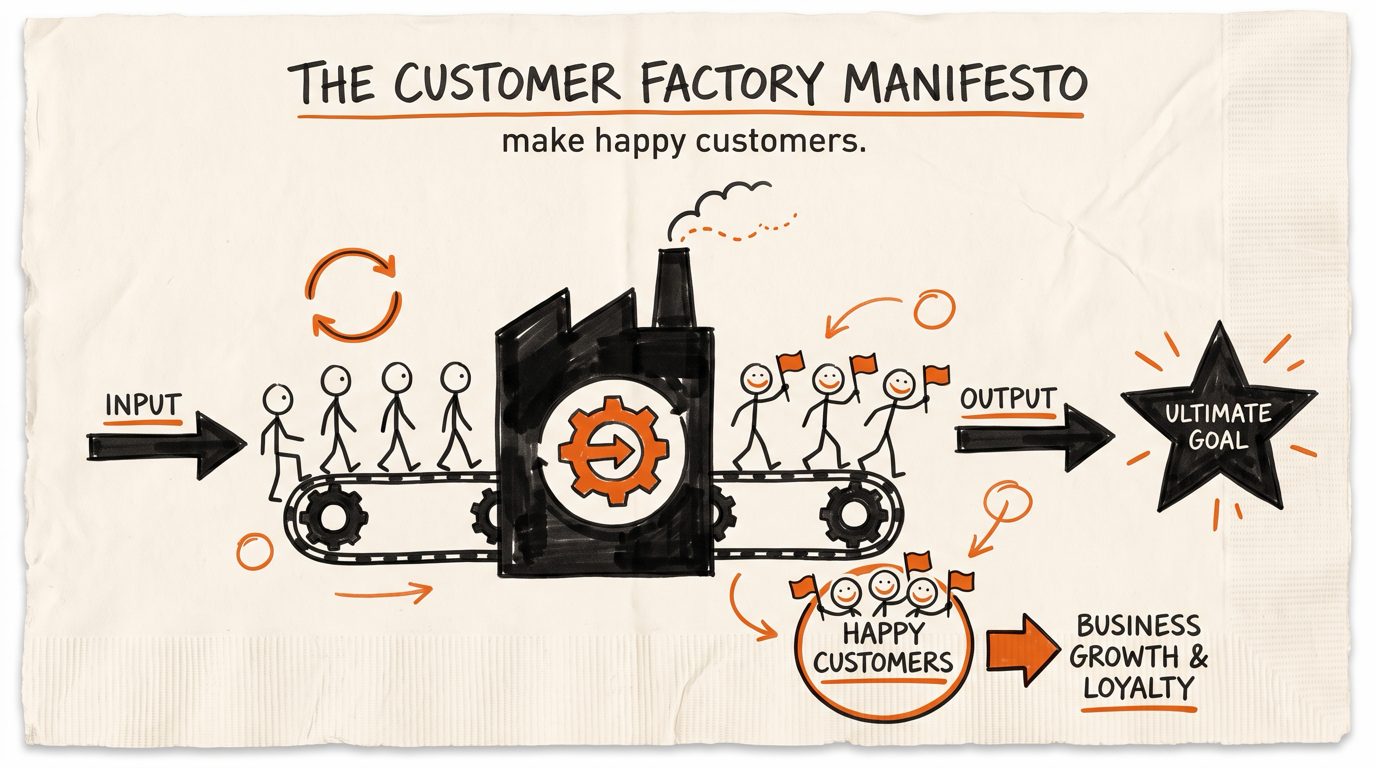
- The Customer Factory Manifesto
Successful businesses are more alike than unalike. They share a common universal goal and employ a systematic approach to building a…
- When you charge for a product has little to do with when or where value is realized.
So even ERP is dependent on the same dynamics of users creating value and buyers/decision makers realizing that value over time.
- A thorough problem discovery phase can take anywhere from 2–6 weeks which is why I don’t opt for it…
I instead, recommend making a case for customer/problem fit first using a Lean(er) Canvas backed with some evidence. While this doesn’t…
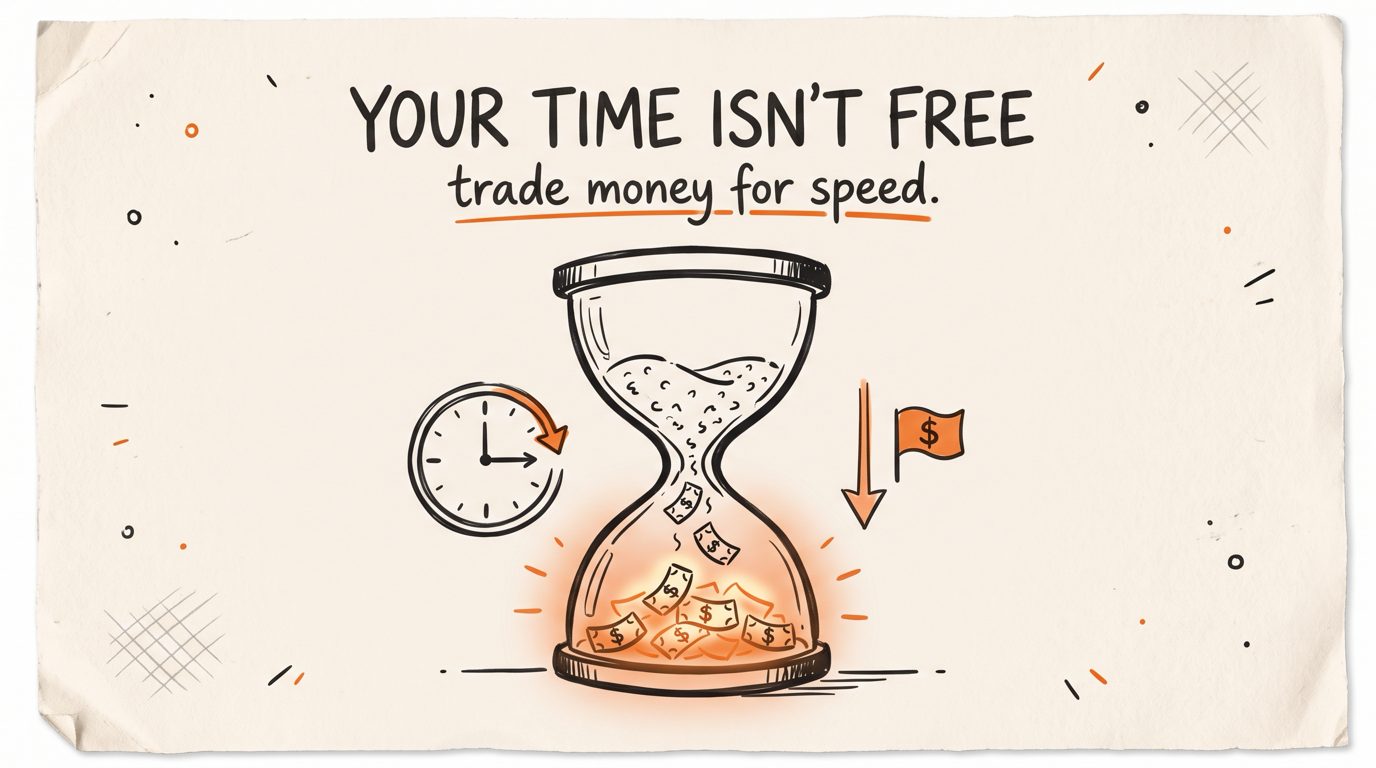
- The True Value of Your Time
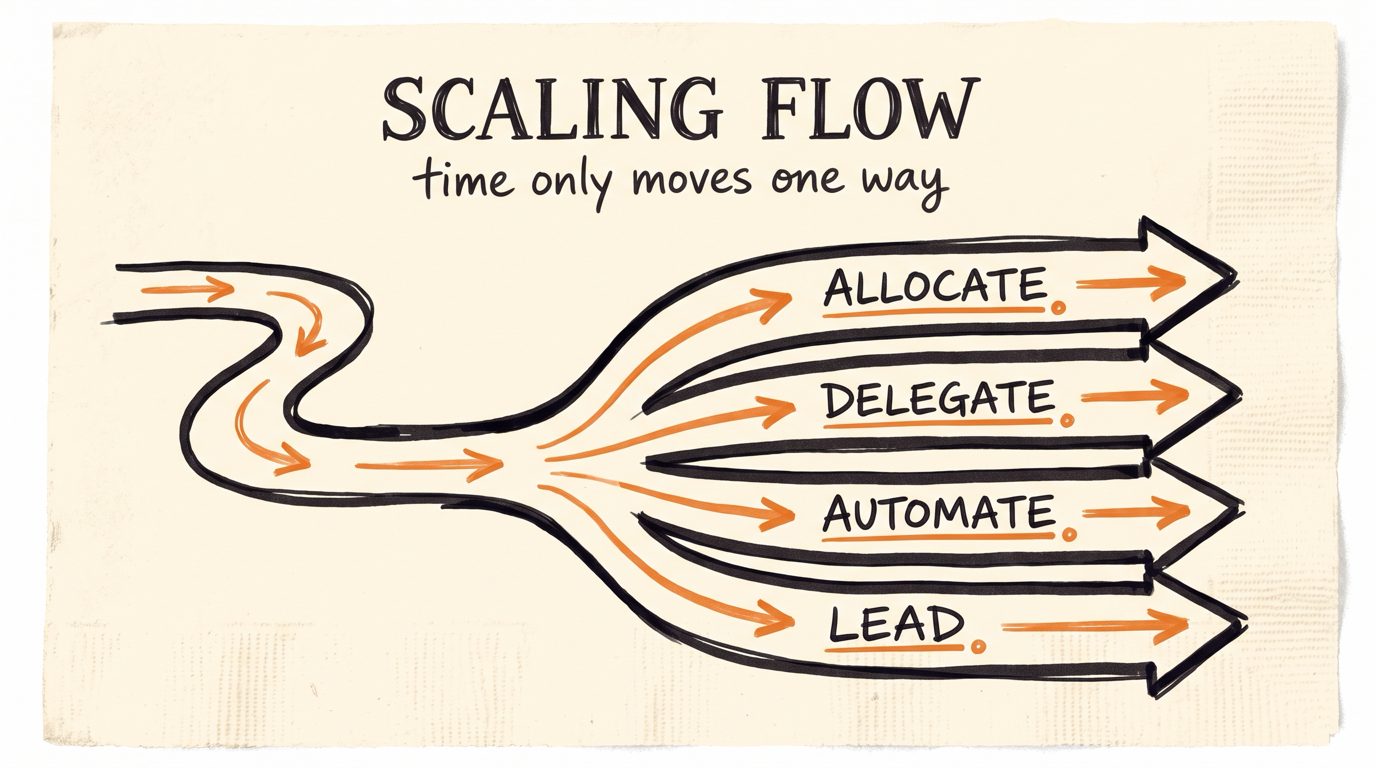
Time is our scarcest resource. Other resources like money and people can fluctuate up and down, but time only moves in one direction.
- Hi Kyle —
First, this article was written for entrepreneurs swinging for the fences, not consultants. Even if you are a consultant going into…
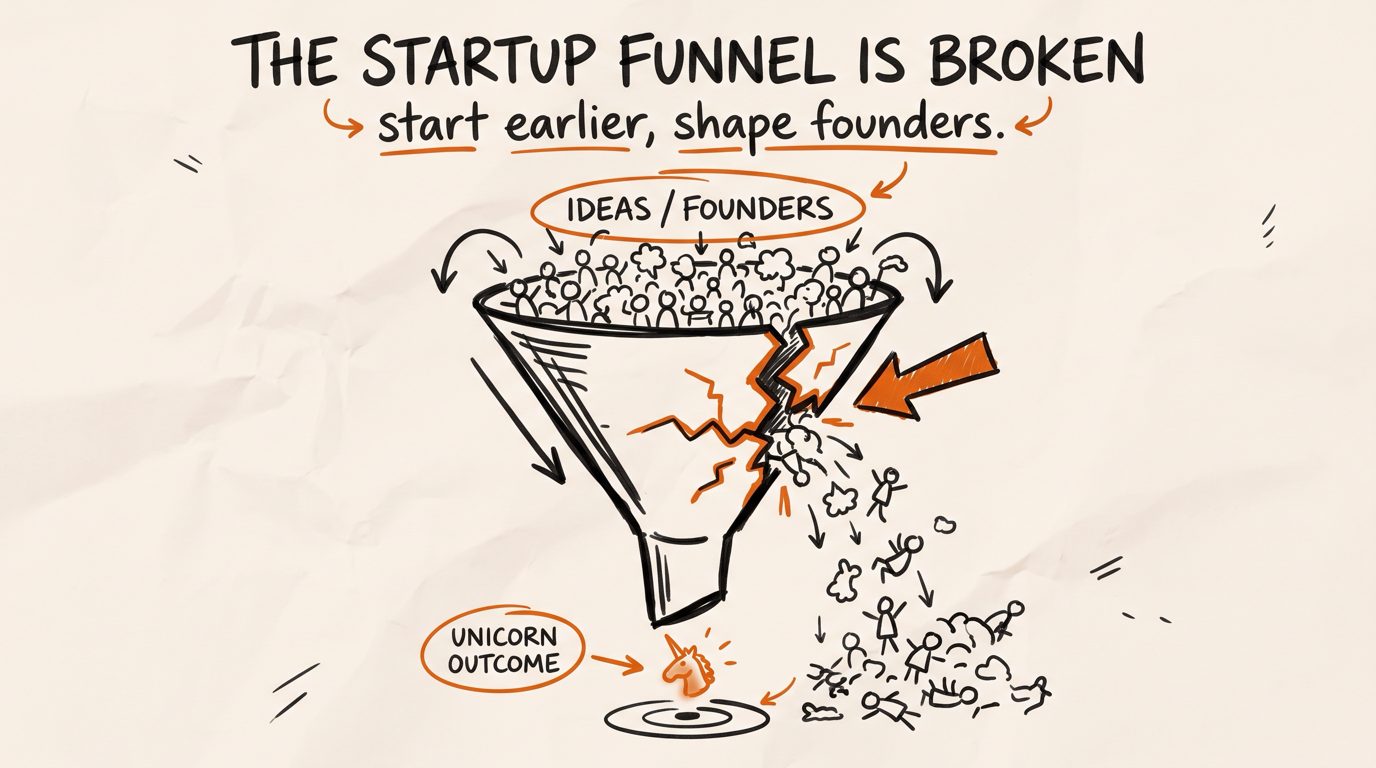
- In Search of Unicorns
The traditional startup funnel is broken.
2019
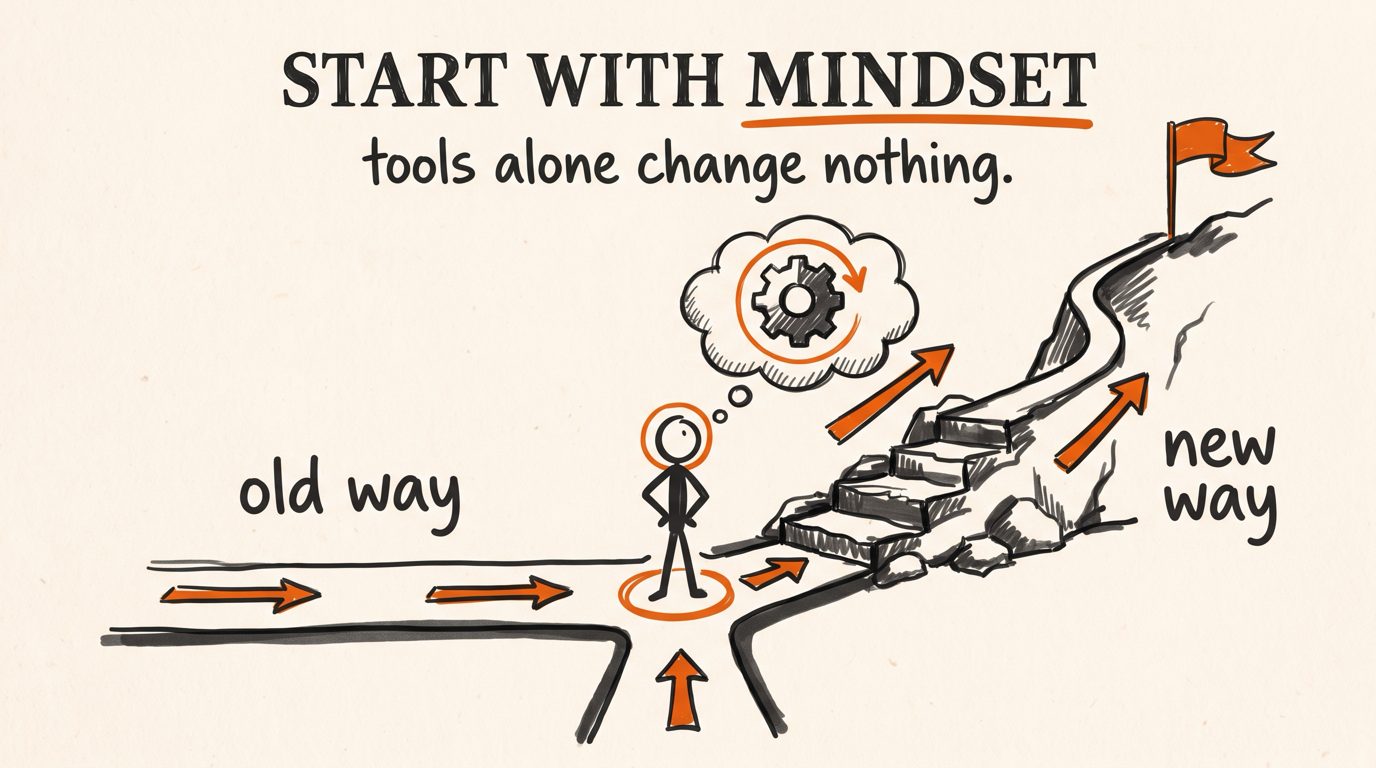
- Start With Mindset
Time flies. We’re already at the 10 year anniversary of the Lean Startup. Yes, it was a little over 10 years ago that Eric Ries started…
- Level up your entrepreneurial game with our battle-tested playbooks
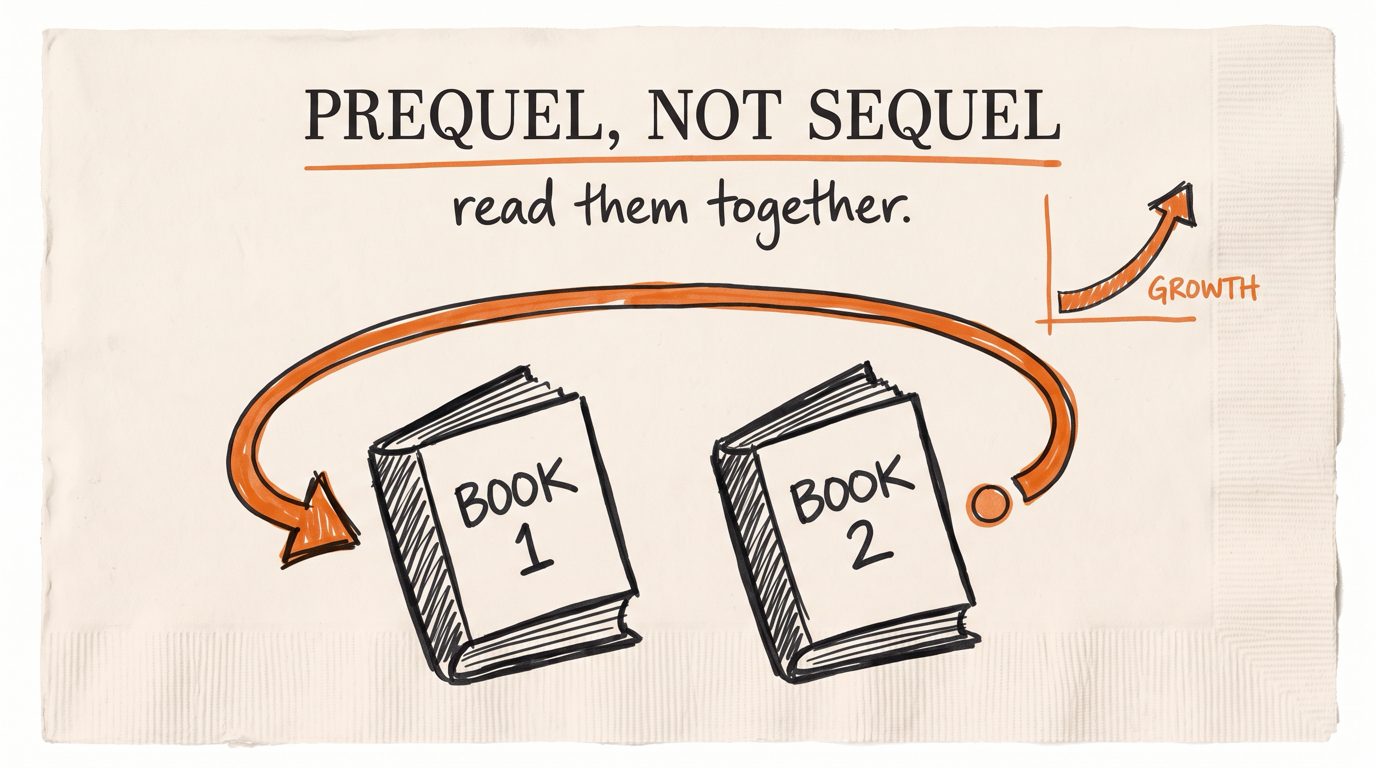
If you’re a long time reader of this blog, chances are high you’ve read my first book: Running Lean. But did you read my second book…
- Hi Andrea —
My point with those examples is that given a similar set of circumstances, different innovators can choose to focus on different contexts…
- You’re preaching to the choir…
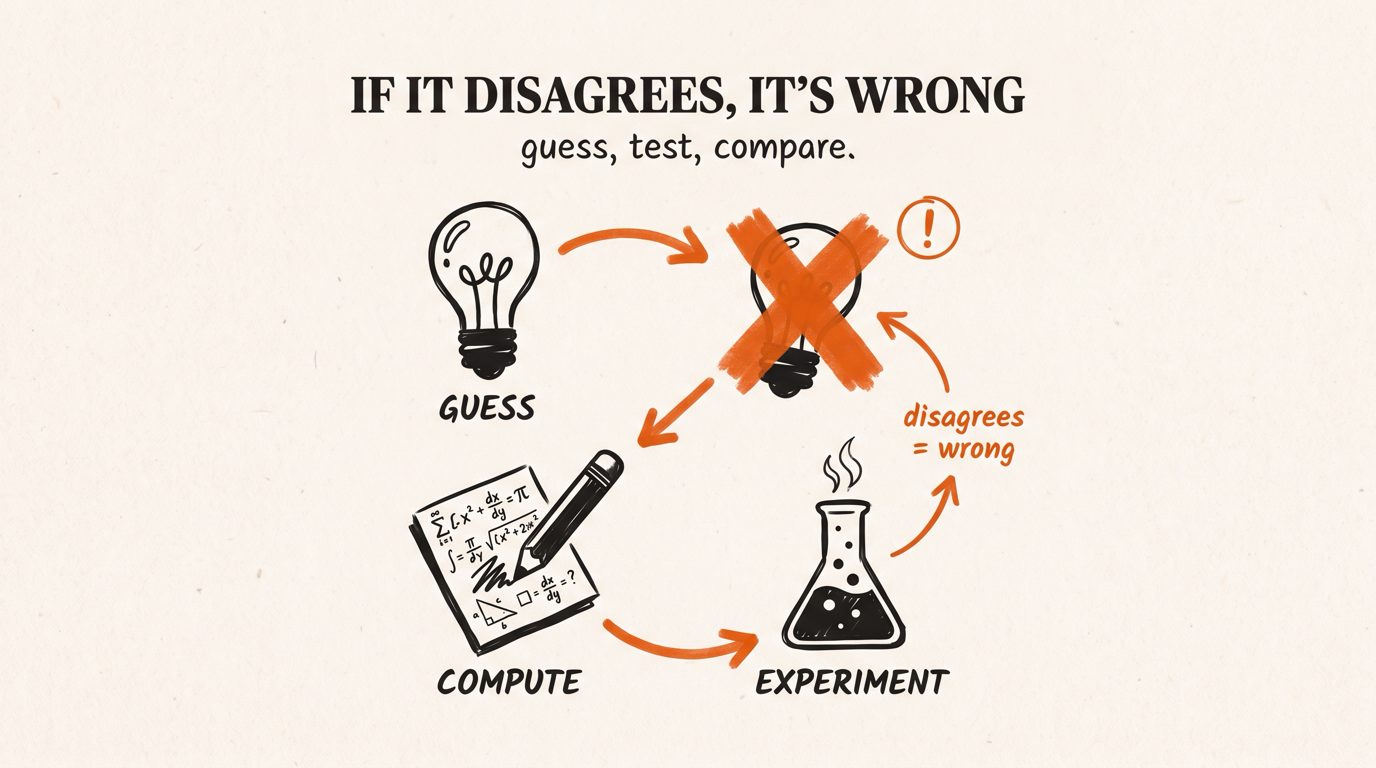
Practice Trumps Theory does not imply theory is irrelevant. Like scientists, we build models of a business, prioritize what’s riskiest…
- Atif Raza Ryan Gamble — I’m interviewing Bob in a few weeks and we’ll be covering a lot of this.
We met several years ago and started a collaboration where he admitted that the current jtbd thinking was too complex and he was seeking…
- The theory of evolution was built on research and there are methods for studying evolution.
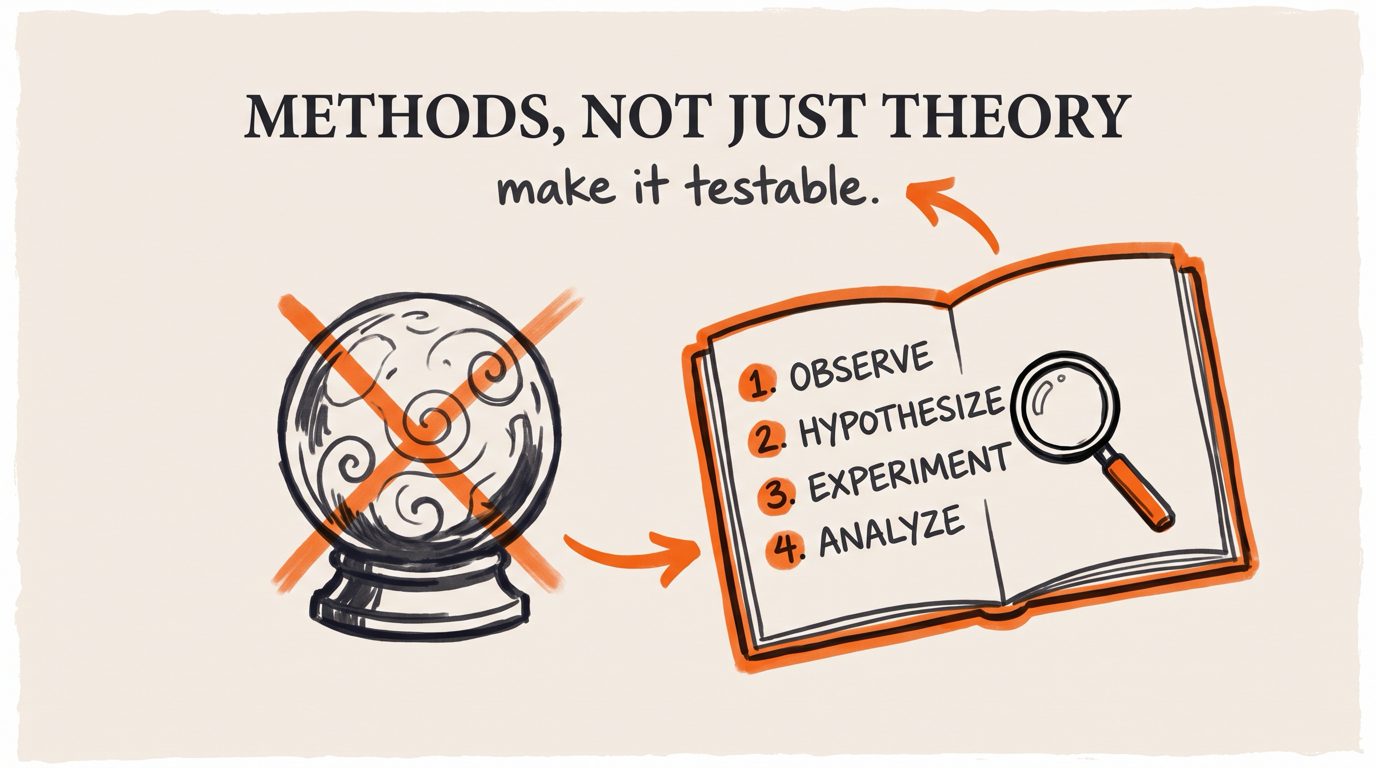
I’m a “Practice Trumps Theory” type of person. And if I’m supposed to just theorize customer behavior with JTBD with no methods to help…
- So if I follow your reasoning above, one couldn’t have created an Uber or an iPod with JTBD…
I’ll ask a different question on naming — because naming matters:
- Hey Alan Klement —
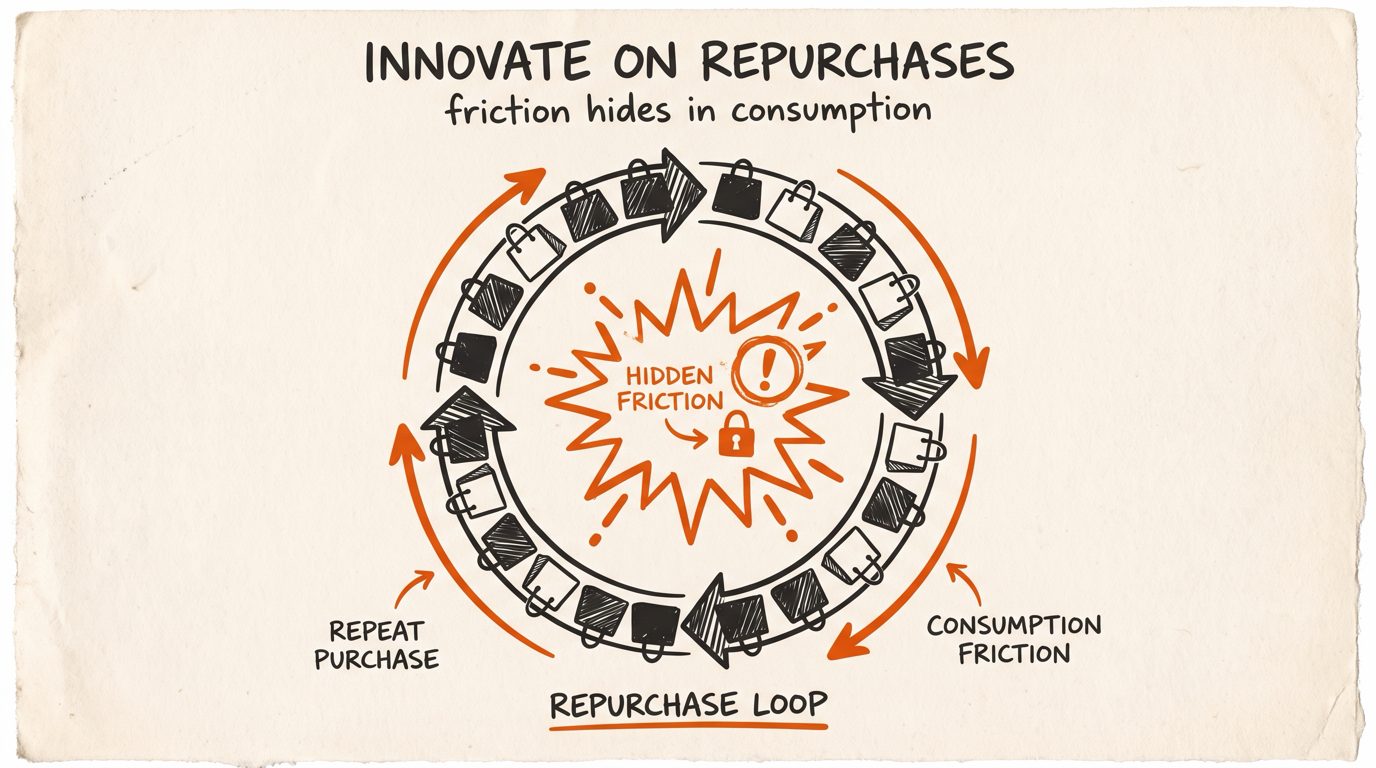
There is a lot to unpack here, but I’ll start with the comment about only focusing on first purchases — and not repurchases.
- Now you’re getting into the unpacking of the job story…which I was saving for the next post :)
but yes that’s a crucial point. The jtbd cannot be guessed at… it has to be discovered.
- jeffstoltman Yes — I agree with a lot of that…
Bob Moesta describes acquisition as the big hire and retention as the little hire.
- I am a tech geek and how I think.
An instantiation is not fuzzy but a discrete event.
- Hi Chris Cochella —
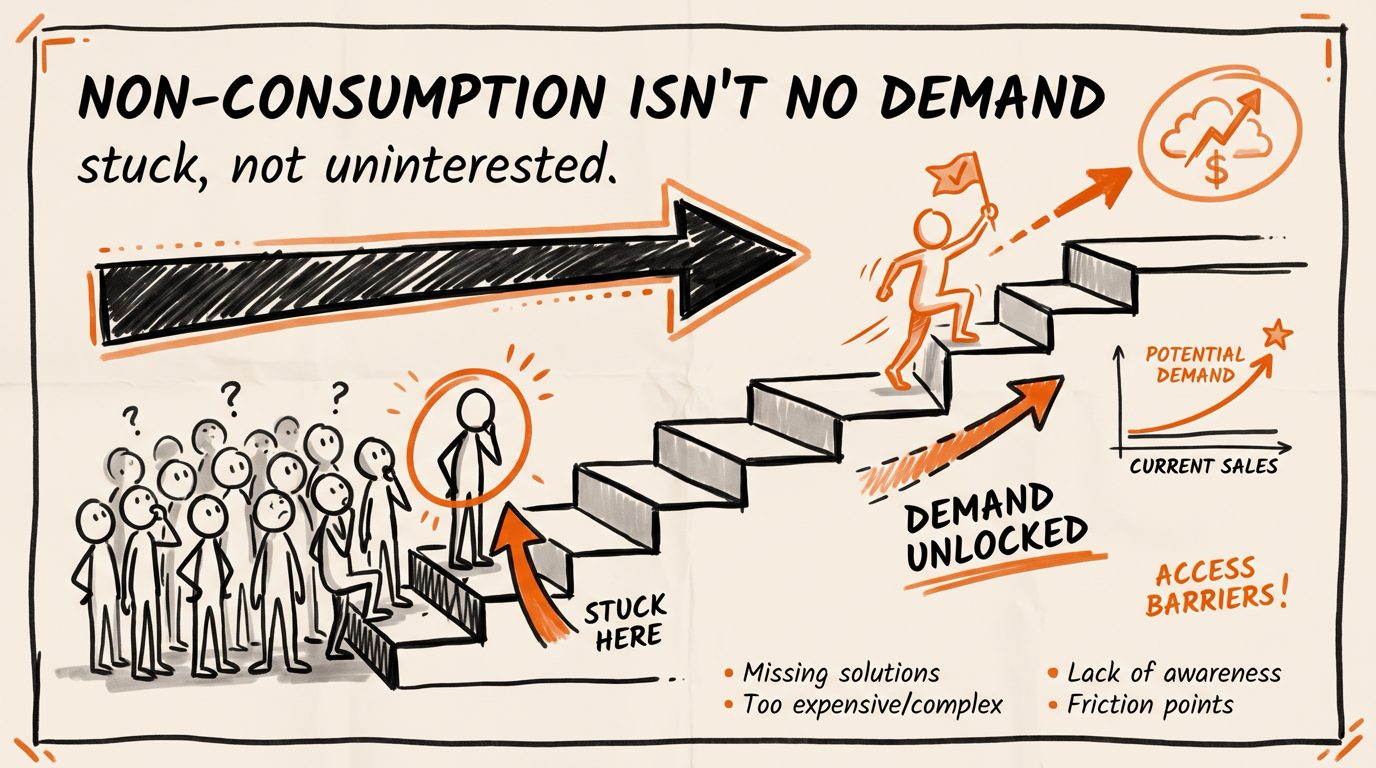
We sometimes call the latent jtbd the non-consumption market because it seems like people aren’t taking action…when in fact, they aren’t…
- Ashley Aitken
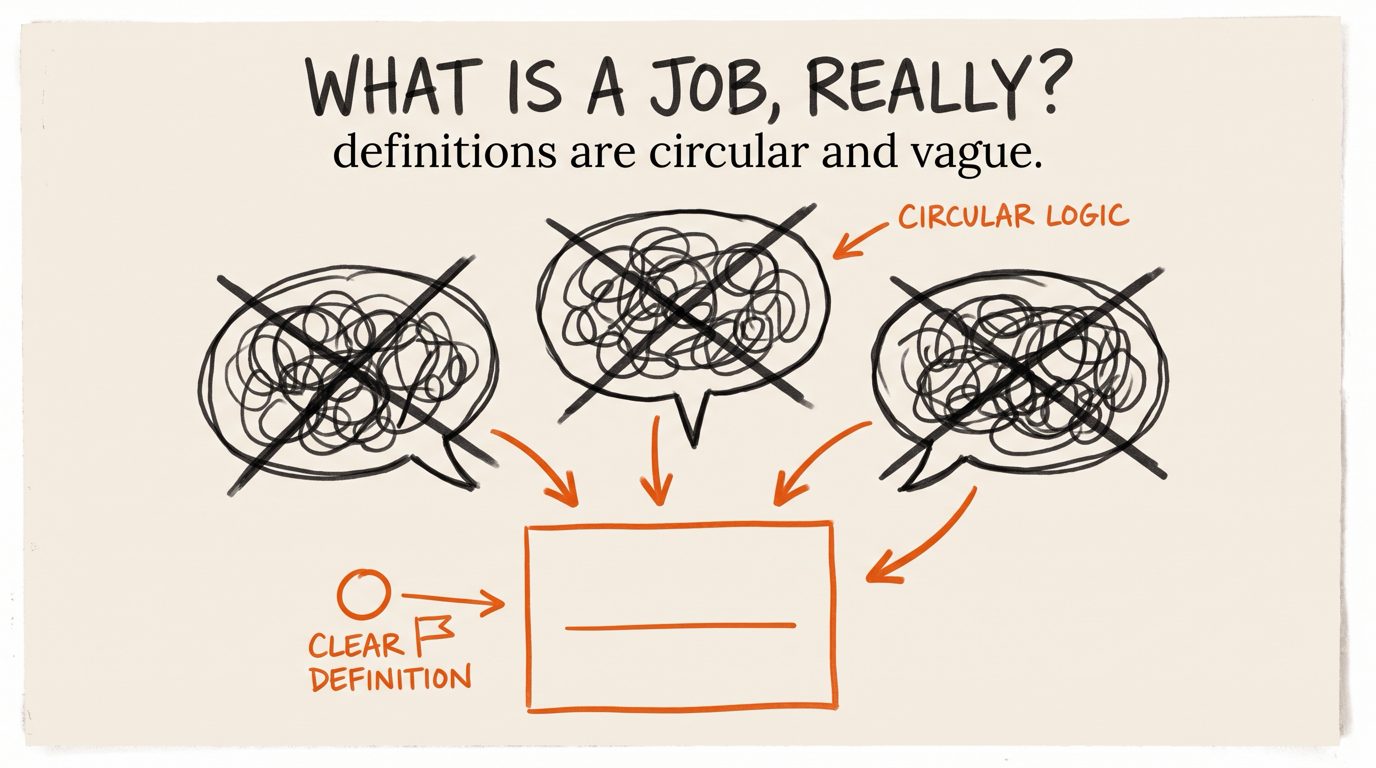
Sorry… “JTBD as a job someone is trying to do” is not a definition.
- What is a Job-To-Be-Done (JTBD)
You’ve probably run into the jobs-to-be-done framework/theory. I did several years ago when I first stumbled into the Milkshake Study…
- The Root Cause for Innovation Theater and How to Avoid It
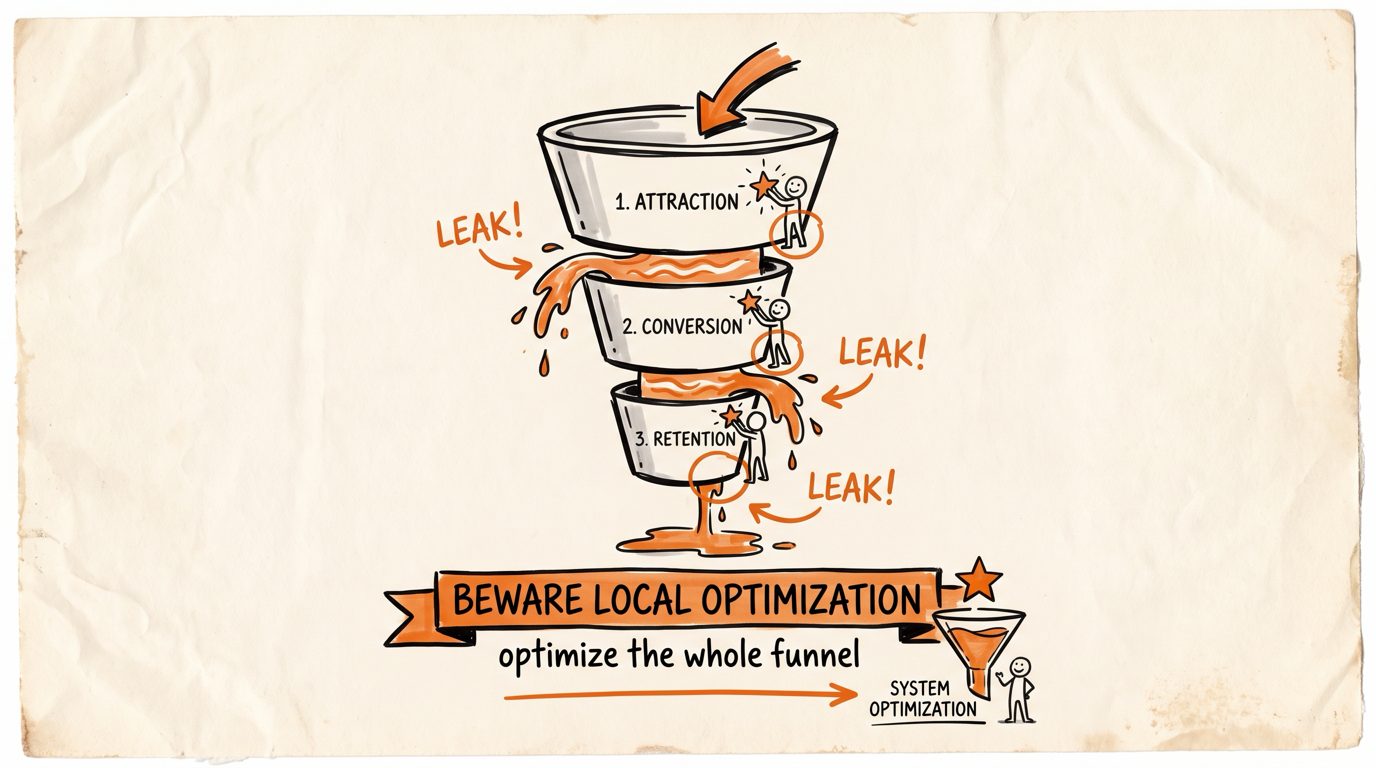
In a recent post, I shared a reference implementation of an innovation funnel built on the Continuous Innovation Framework and cautioned…
- Yes, makes sense.
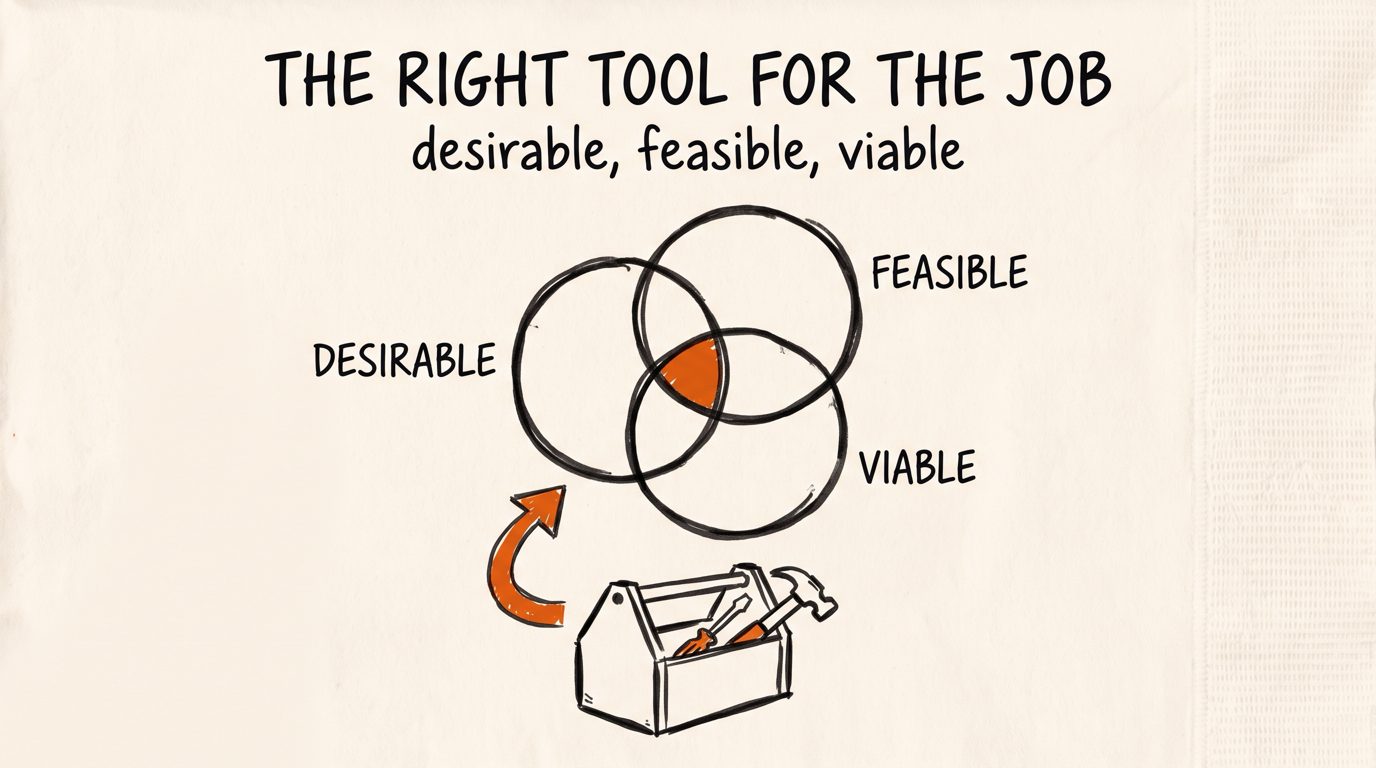
The three circles are definitely generic and broad which isn’t necessarily a bad thing. I often use two other lenses:
- Could you elaborate on why you think so?
The Model-Prioritize-Test pattern is rooted in the Scientific method. The three facets help categorize the types of risks we tackle with…
- “Lean Startup, or Business Model Design, or Design Thinking?” is the Wrong Question
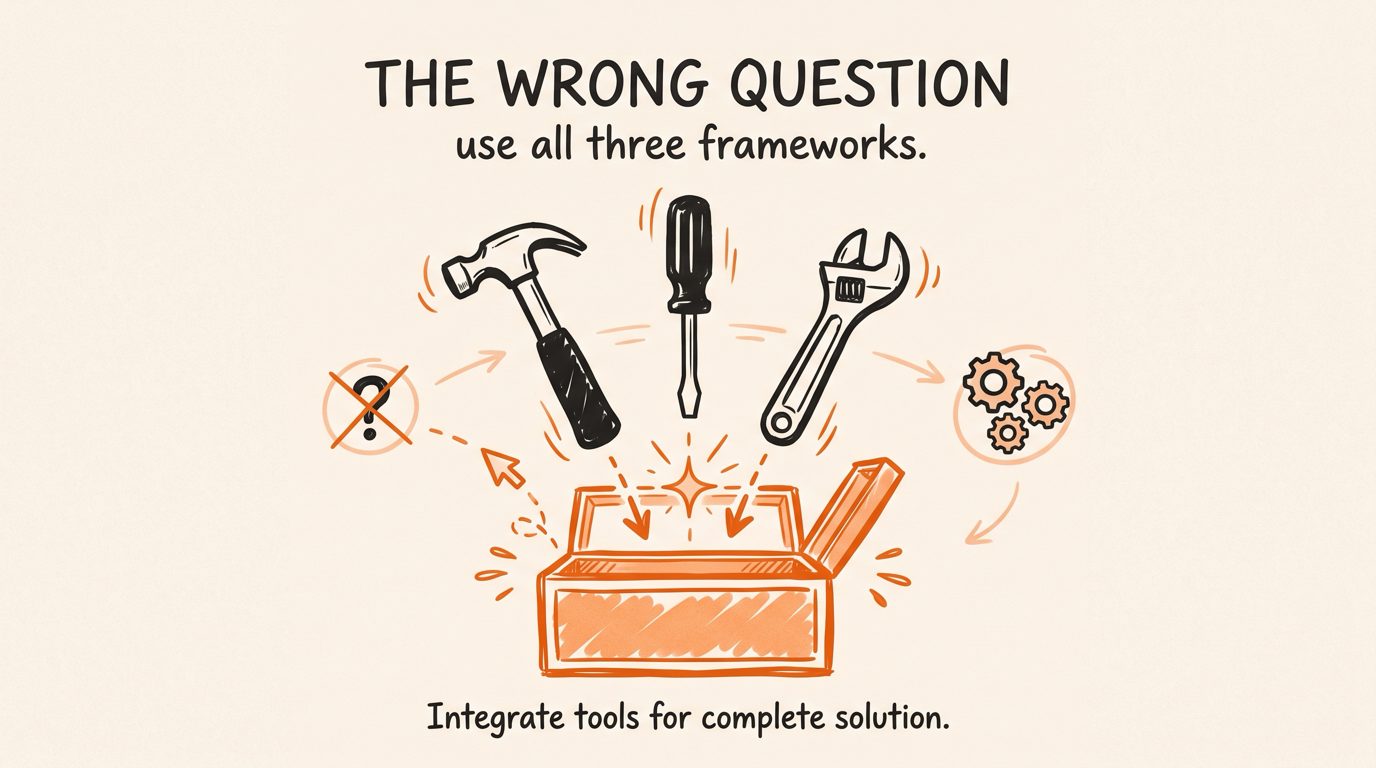
In order to achieve breakthrough innovation, you shouldn’t be limiting yourself to any one of these frameworks, but rather using all…
- Yes, customers drive and shape the problem.
Here, I tend to disagree. Once problems and existing alternatives are understood, I want teams to first identify what they can do better…
- Hi Dan —
It is feasible provided your initial problems are grounded in some learning e.g. anecdotal observation. That said the next step would still…
- Hi Christoffer Bouwer —
I started a new project (http://innovatorsgift.com) to reconcile a lot of the existing and often conflicting approaches to JTBD. The result…
- Reorder your Chain of Beliefs with a leaner Lean Canvas
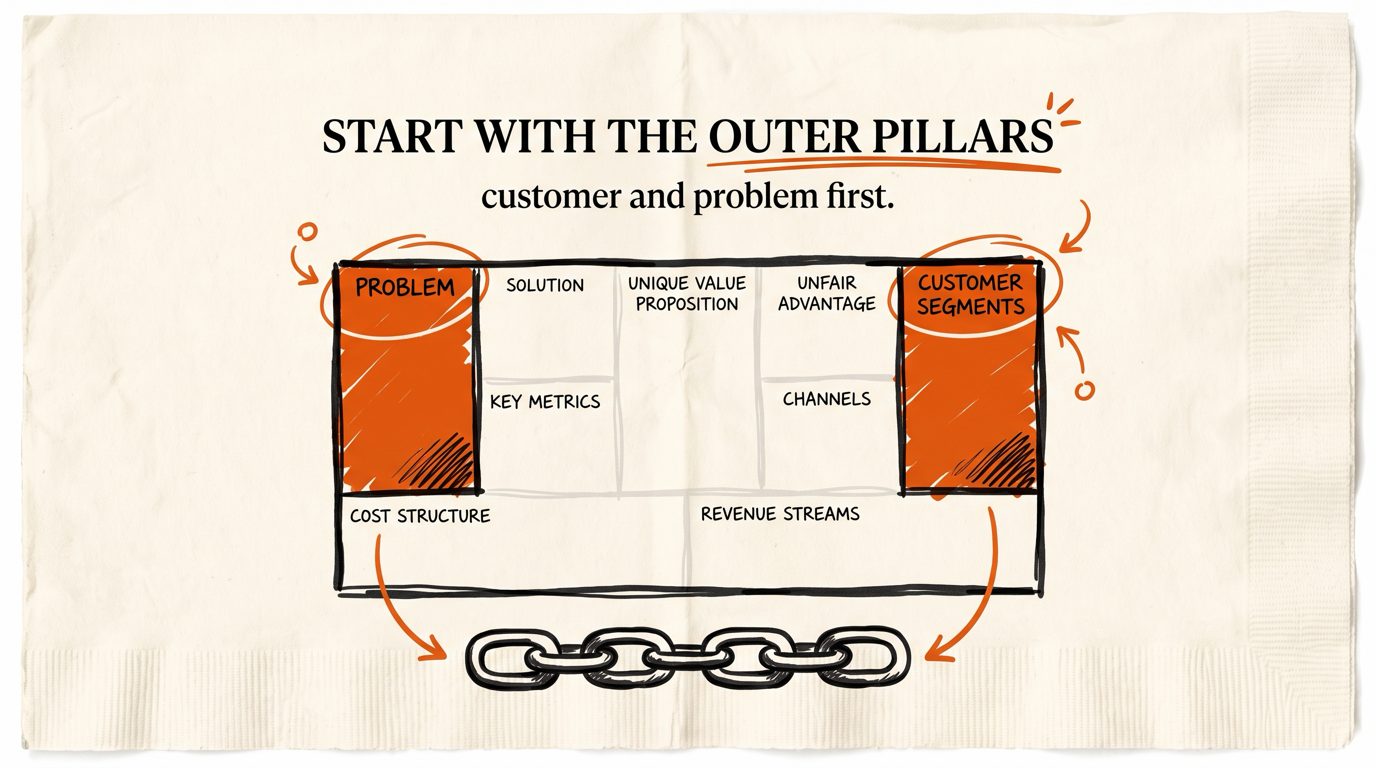
In my last post, I described how sketching an idea on a Lean Canvas is akin to stacking a chain of beliefs. Later links rely on earlier…
- Place yourself somewhere on the timeline below and ask yourself what made you switch to your next…
It wasn’t latent problems, but active problems that a new solution addressed/surfaced that was worth switching for.
- Hi Michael —
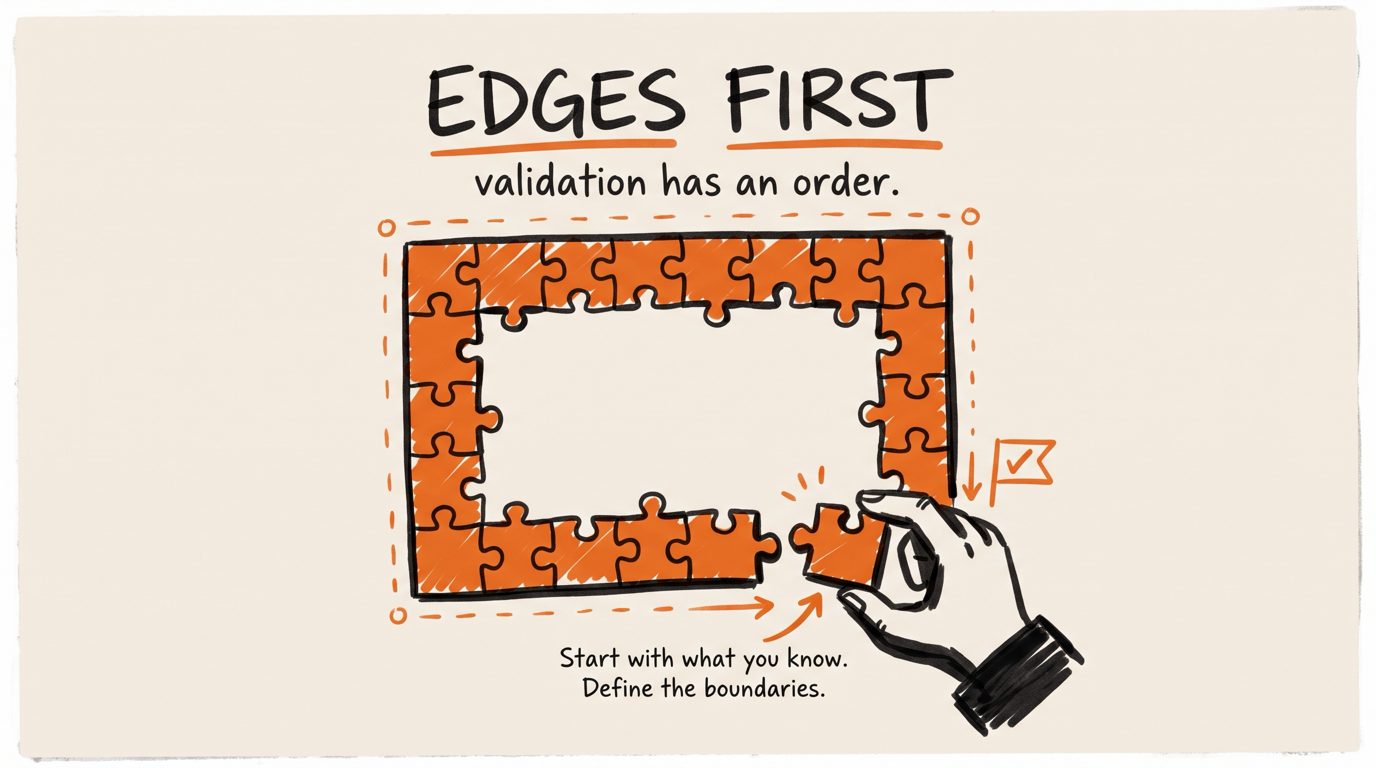
You are right that in the end, much like a jigsaw puzzle, the picture should be viewable in any order. However, using the same metaphor…
- Hi Oscar —
First thanks for all the feedback and kind words.
- Yes, I too focus on these two starting boxes when I’m reviewing a canvas.
However, I want to point out that there is a subtle, but critical, difference between idea generation and idea validation. Before reviewing…
- Problems and customers are two sides of the same coin.
One might observe a problem, or pick a well-known big problem (like prevent malaria), and then get more specific on customer segmentation.
- What is the Right Fill Order for a Lean Canvas?
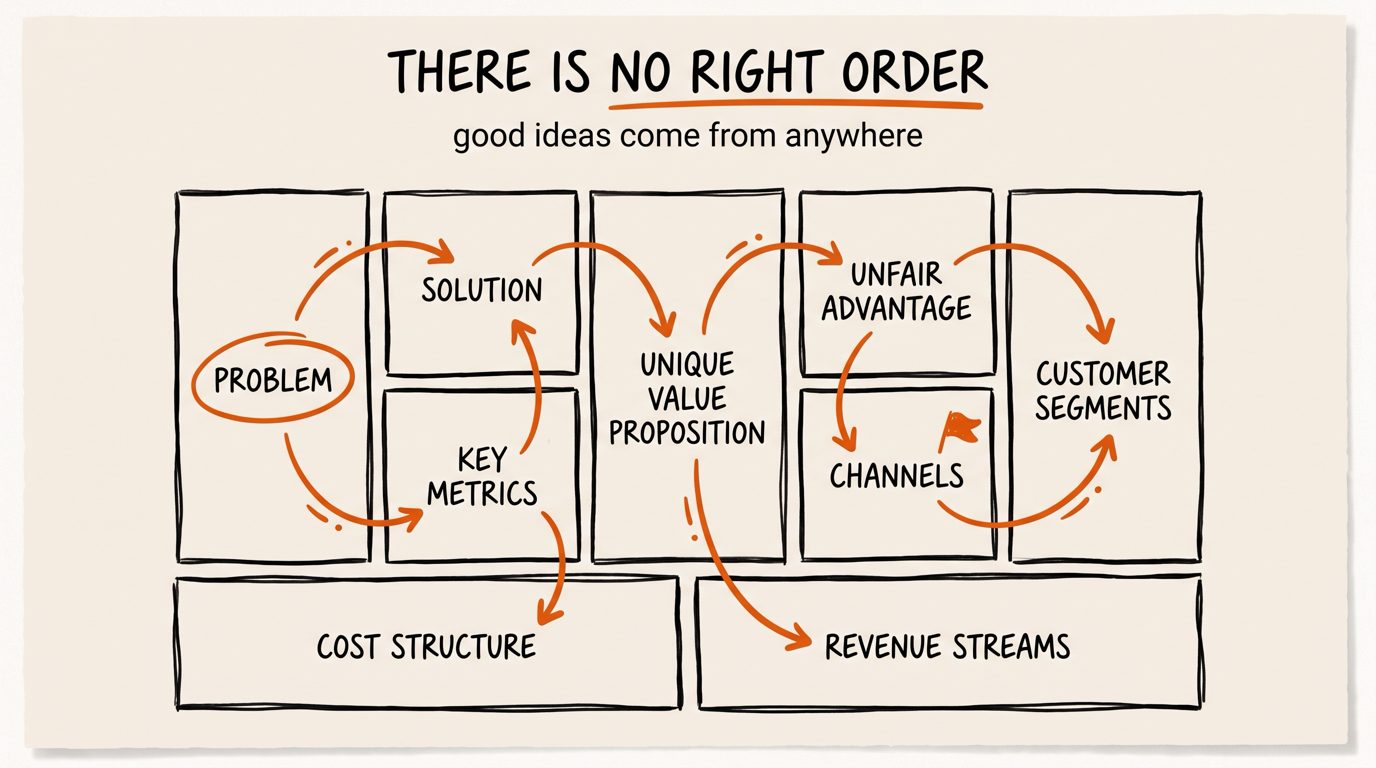
A question I get a lot is: Why isn’t the Lean Canvas laid out more logically? Anyone that has attempted to fill one can relate. You have…
2018
- Give Yourself Permission to Scale
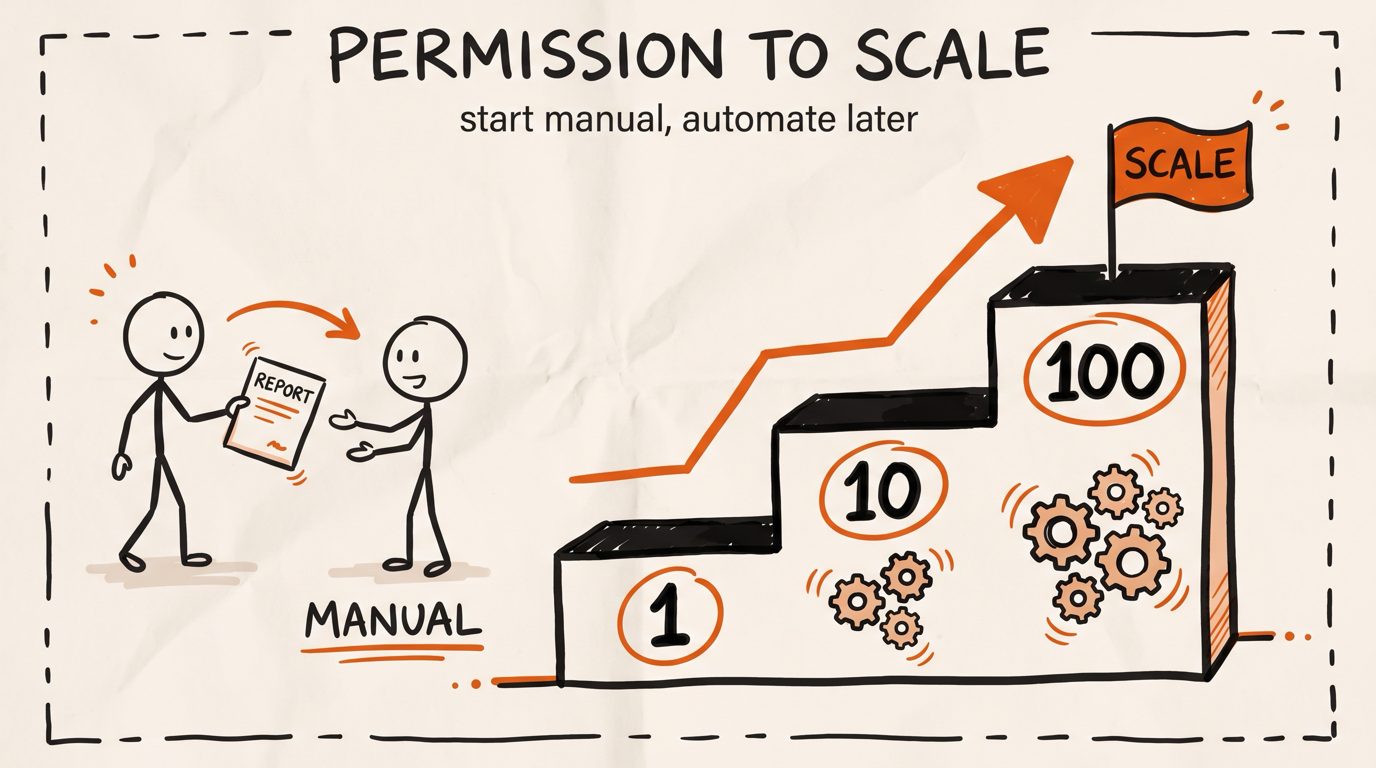
It’s been a busy 3 weeks since Steve’s last meeting with Mary. Her advice about first using demos for defining (before building) an MVP…
- Why and How to Model a Non-profit on the Lean Canvas
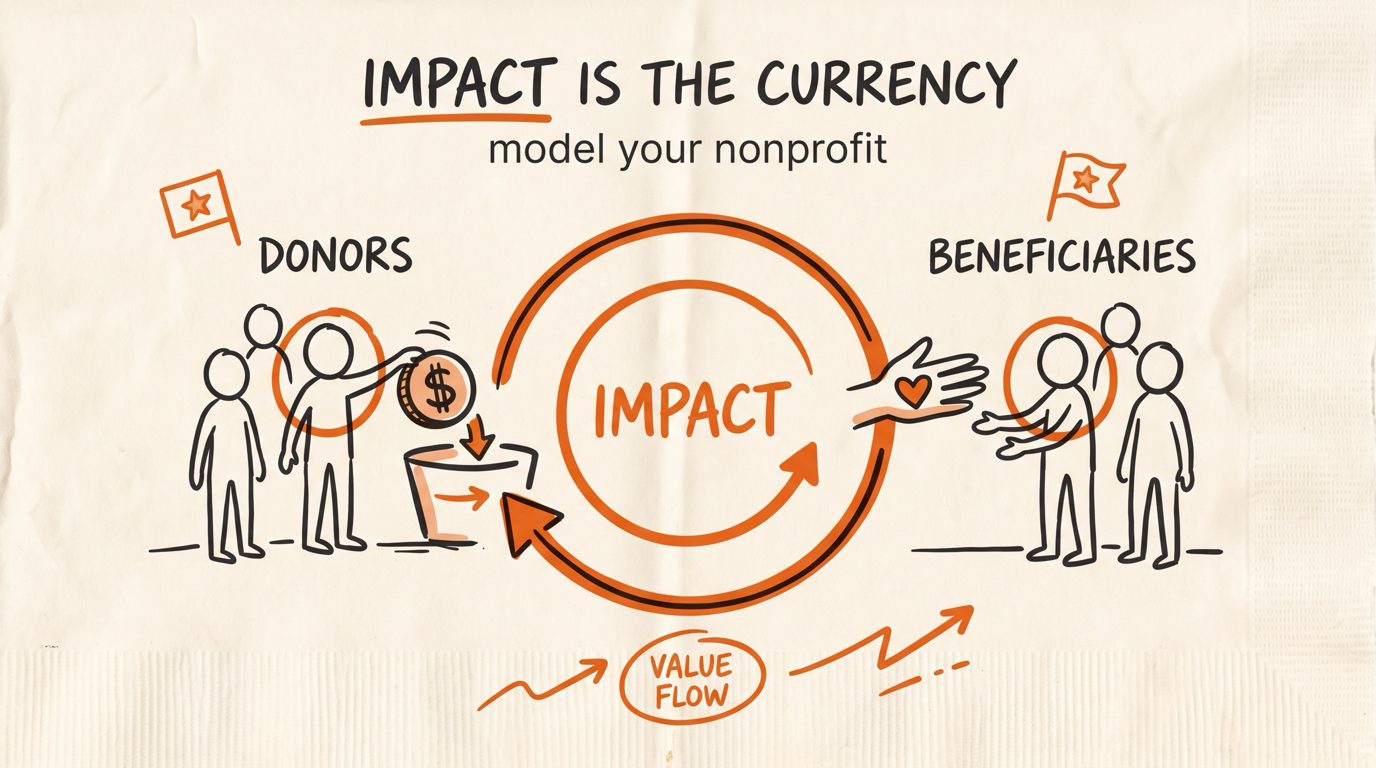
I often get asked if one can or should model a non-profit using a Lean Canvas. The answer is a resounding yes. A nonprofit is essentially…
- That’s an example of offer testing which, yes is valuable — provided you start with a reasonably…
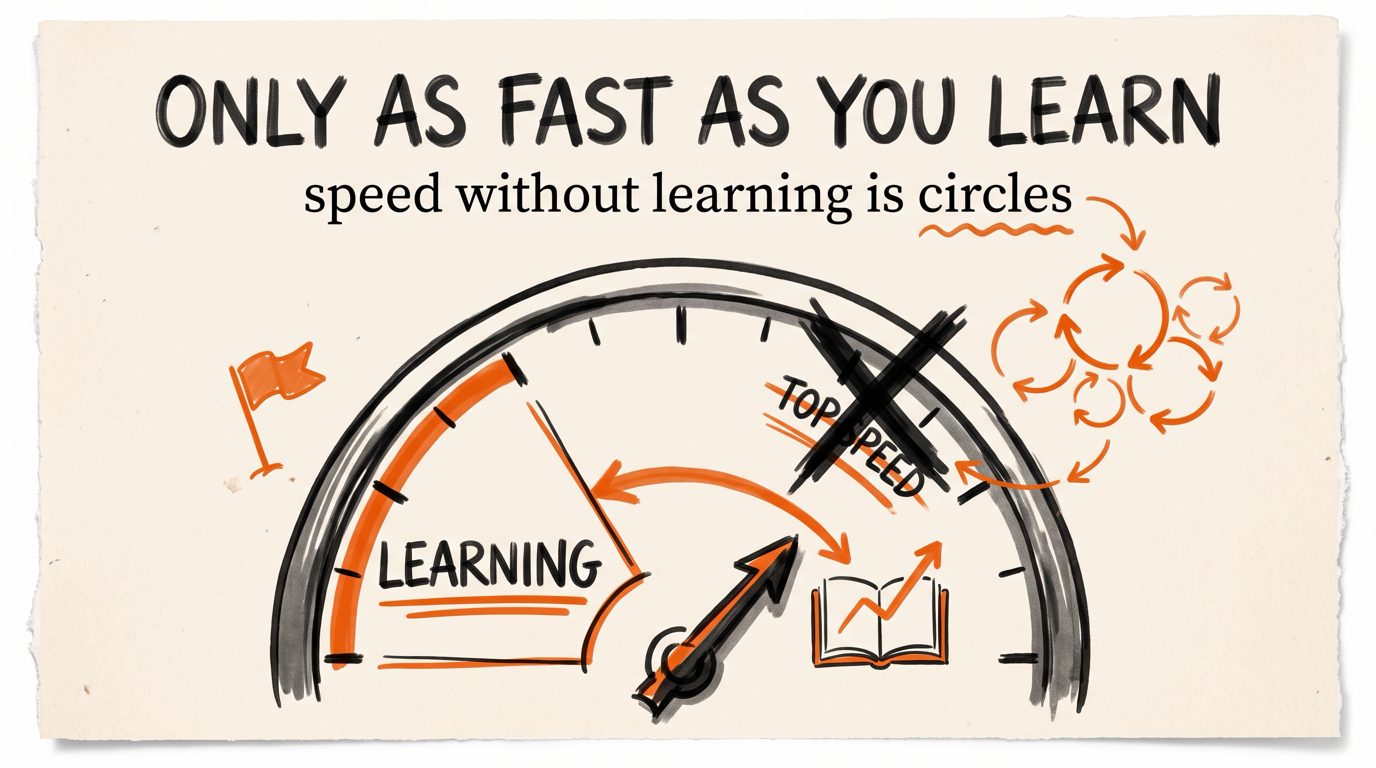
But good ideas are rare. Most ideas don’t have a straight path, and simply throwing ideas or offers at customers usually isn’t enough in…
- Do you mean budget?
The biggest cost during this stage is usually time and people. Most product offers/demos can typically be built with relatively inexpensive…
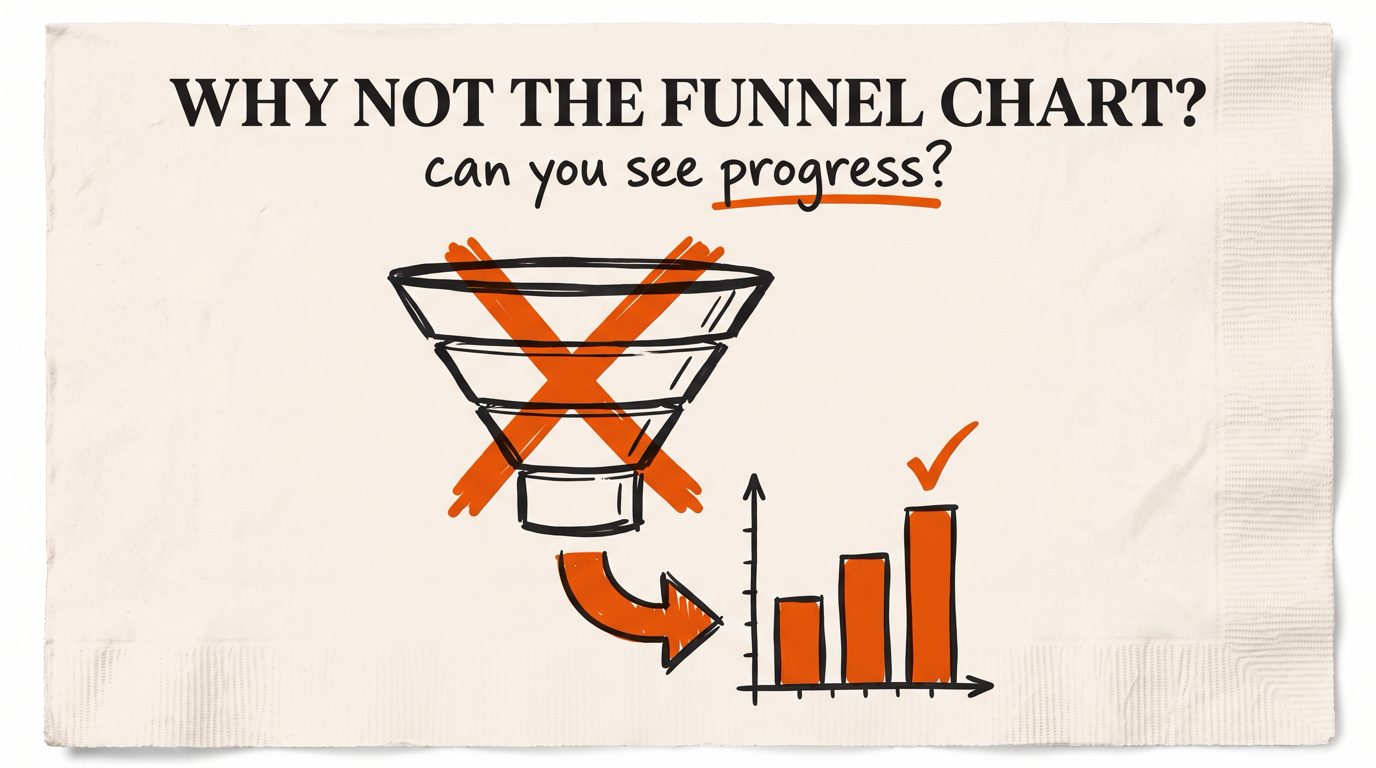
- The Idea Funnel
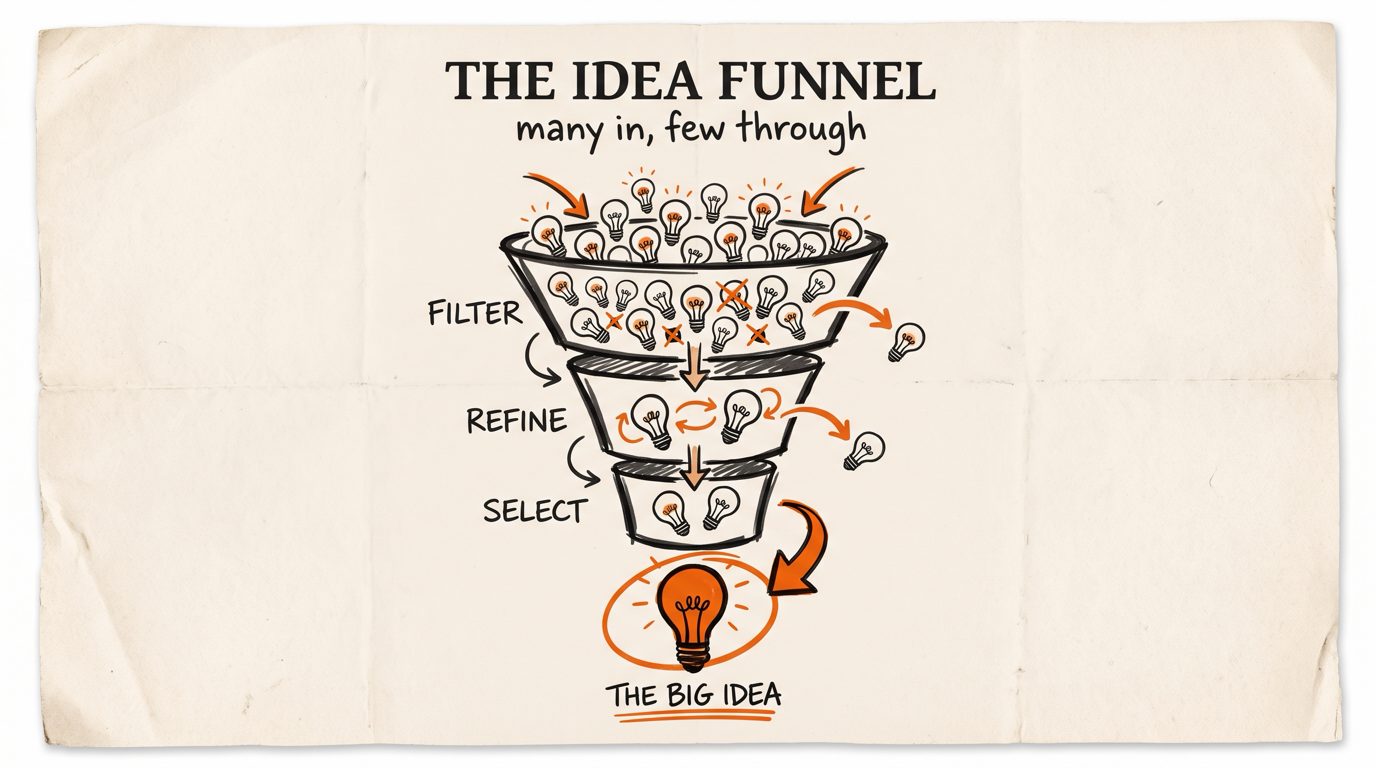
The concept of an idea funnel isn’t new. It has its limitations. But I still find it a helpful visualization tool for outlining a…
- In my newer problem interview script (will be released as part of this project), I advise against…
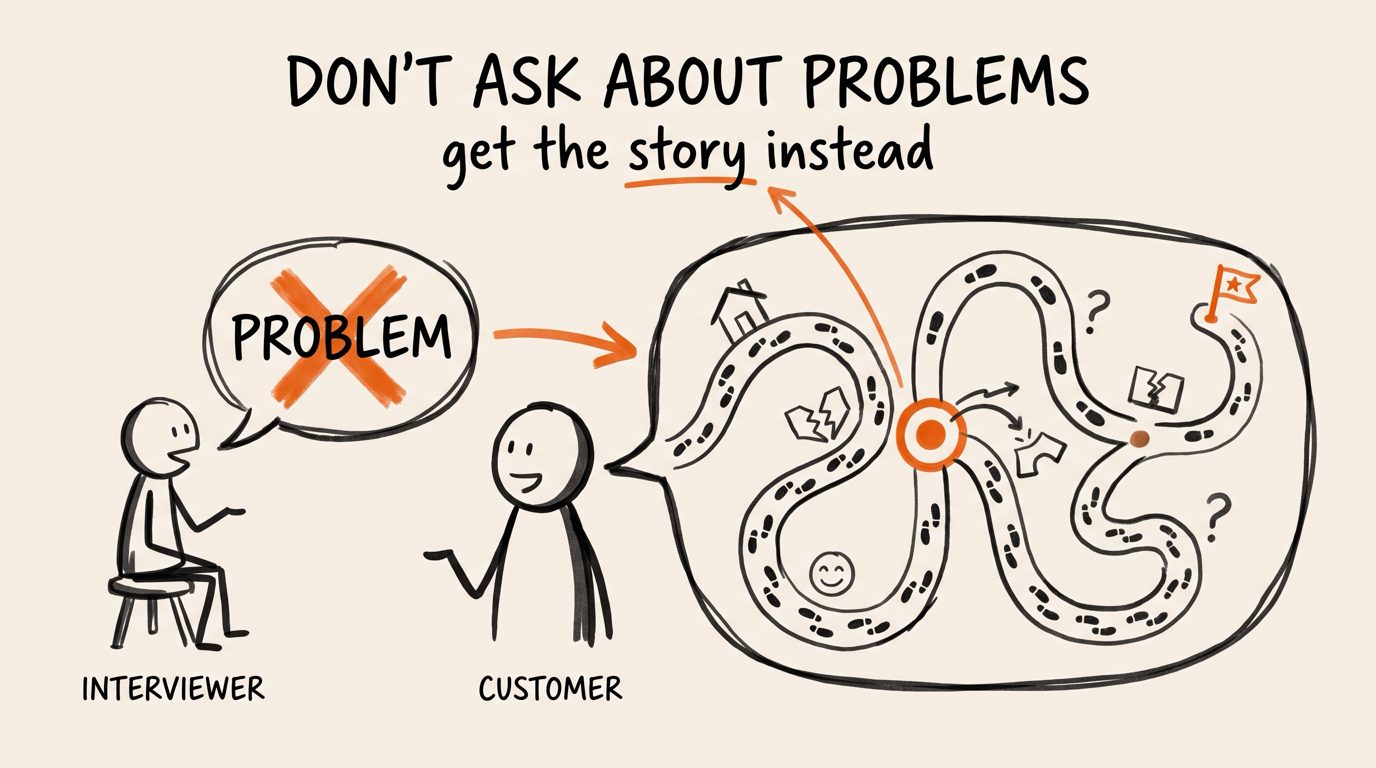
You should solely be focused just on getting the full story about their last listening session. Problems are extracted using a back-door…
- The Problem With Problems
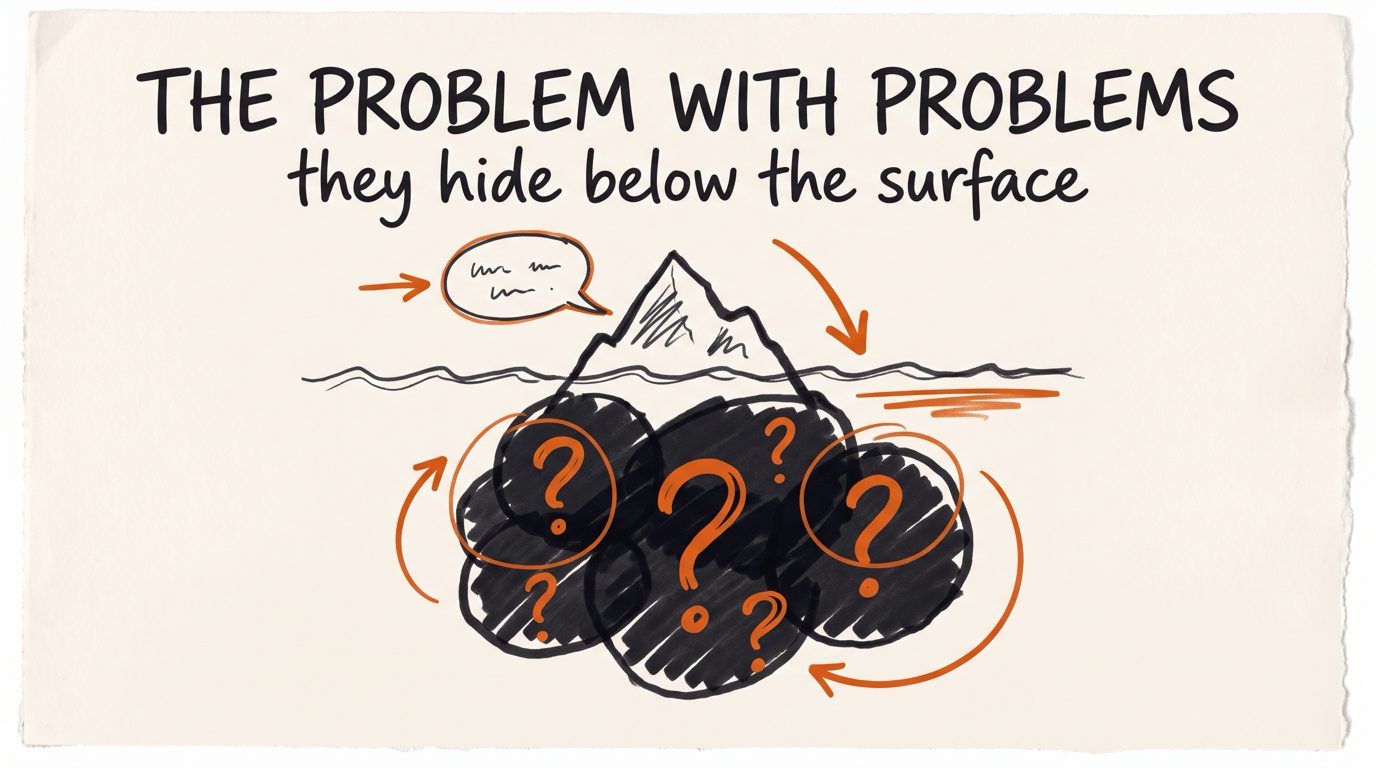
On his drive back to the office, Steve can’t help but replay his last conversation with Mary in his mind.
- My New Project — Unpacking the Innovator’s Gift
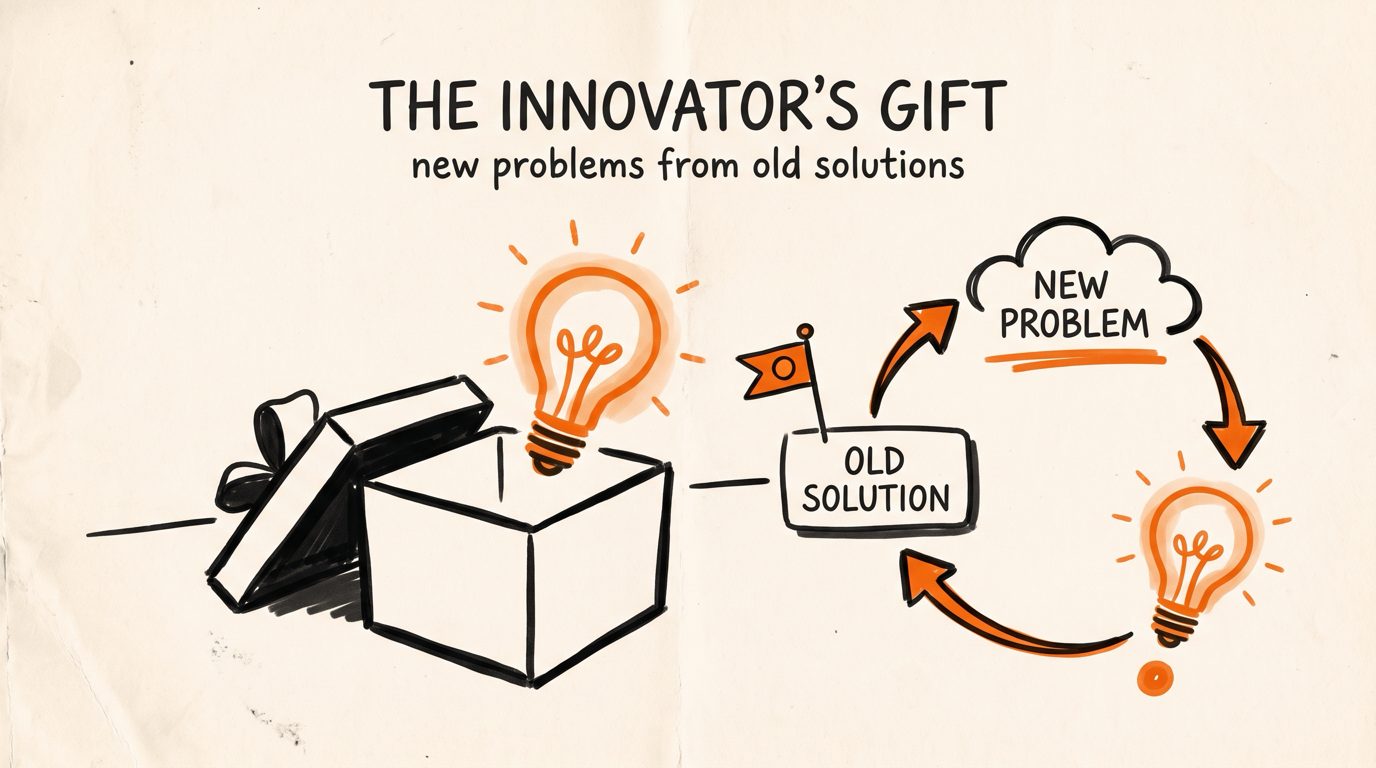
I’m working on my most ambitious project yet. I’m looking for answers to the fundamental innovation question: What defines a better…
- Iren Korkishko — there is no doubt that launching something faster with an emphasis on seeking…
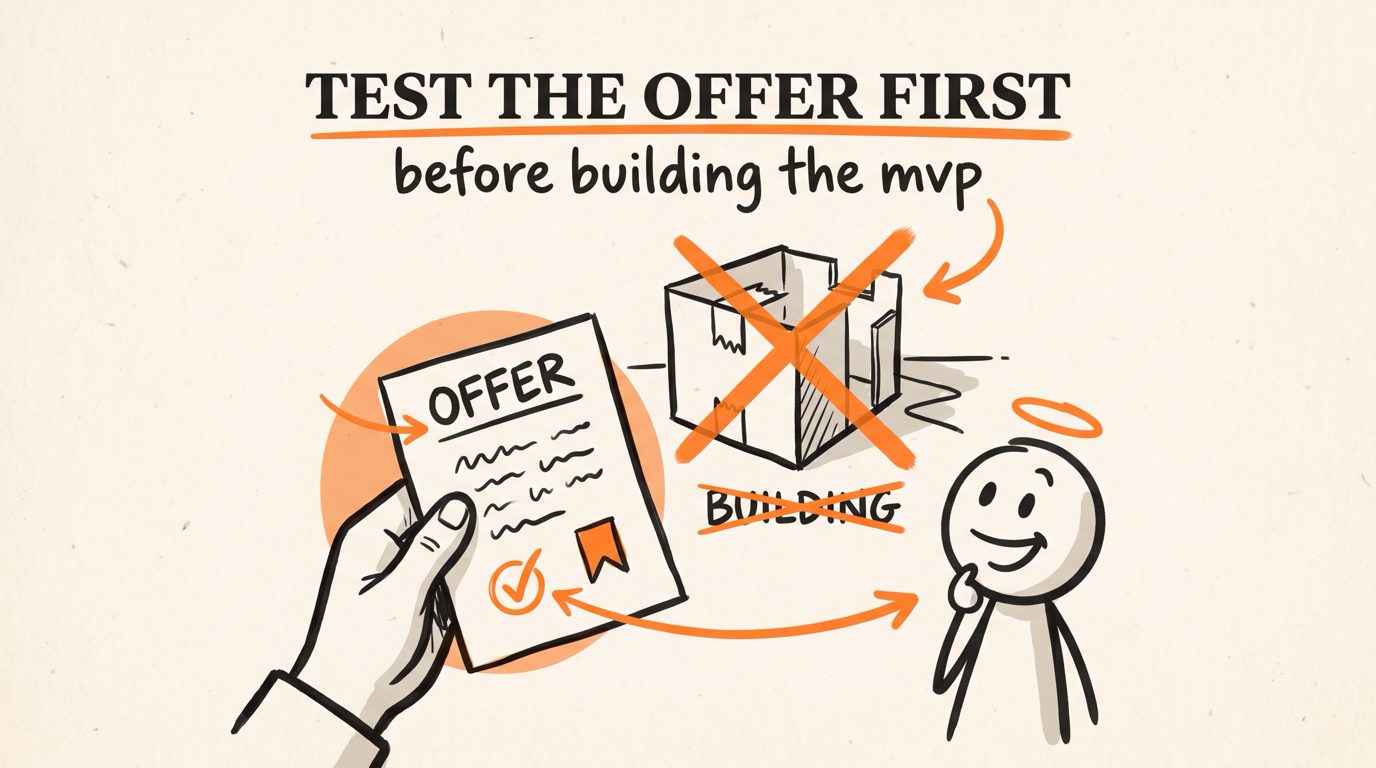
But that approach still doesn’t guarantee success and still begs the question: “How do you or your clients decide what goes in the MVP?”
- That’s still a pitch — not discovery.
The goal of the first interview is getting them to tell you how they currently solve or attempt to solve problem X without having to…
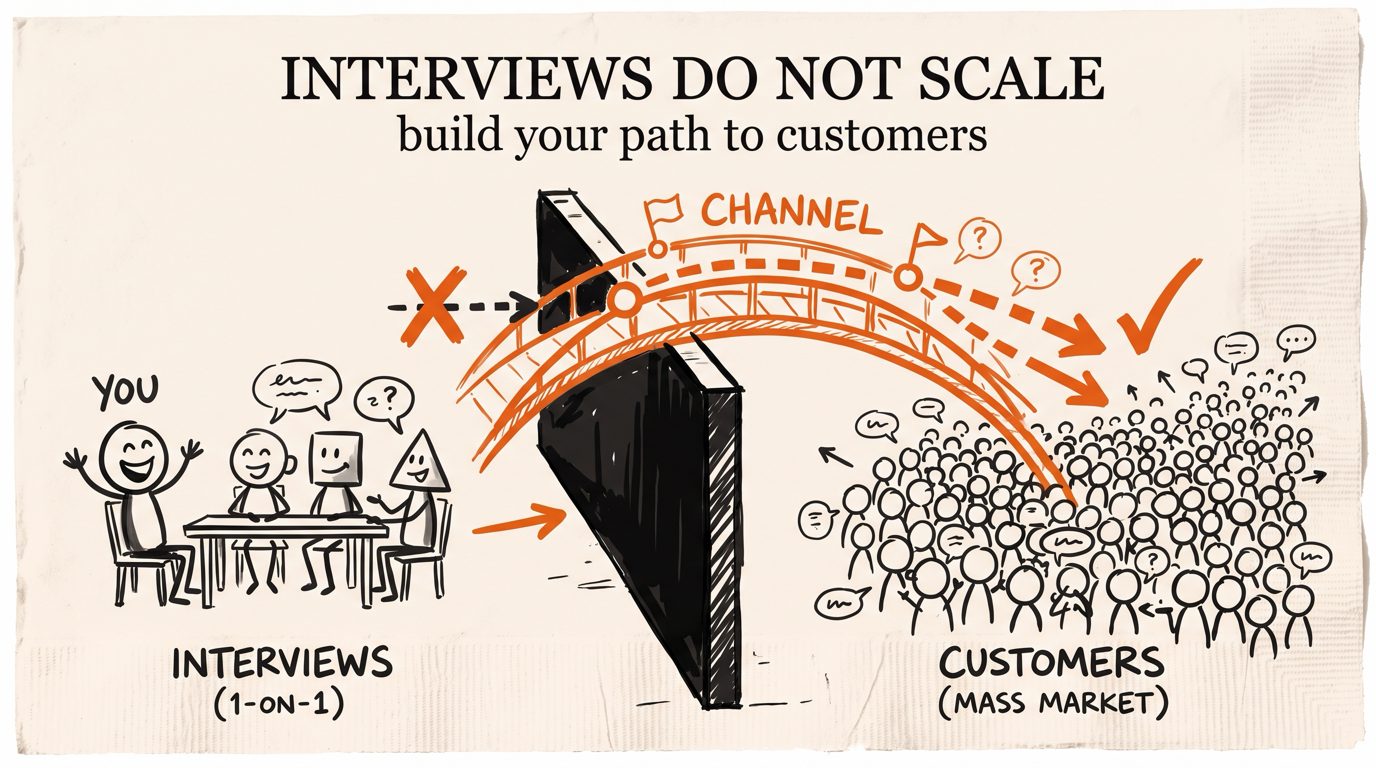
- As I mentioned in the first response, if you are cold talking to strangers, that’s a big channel…
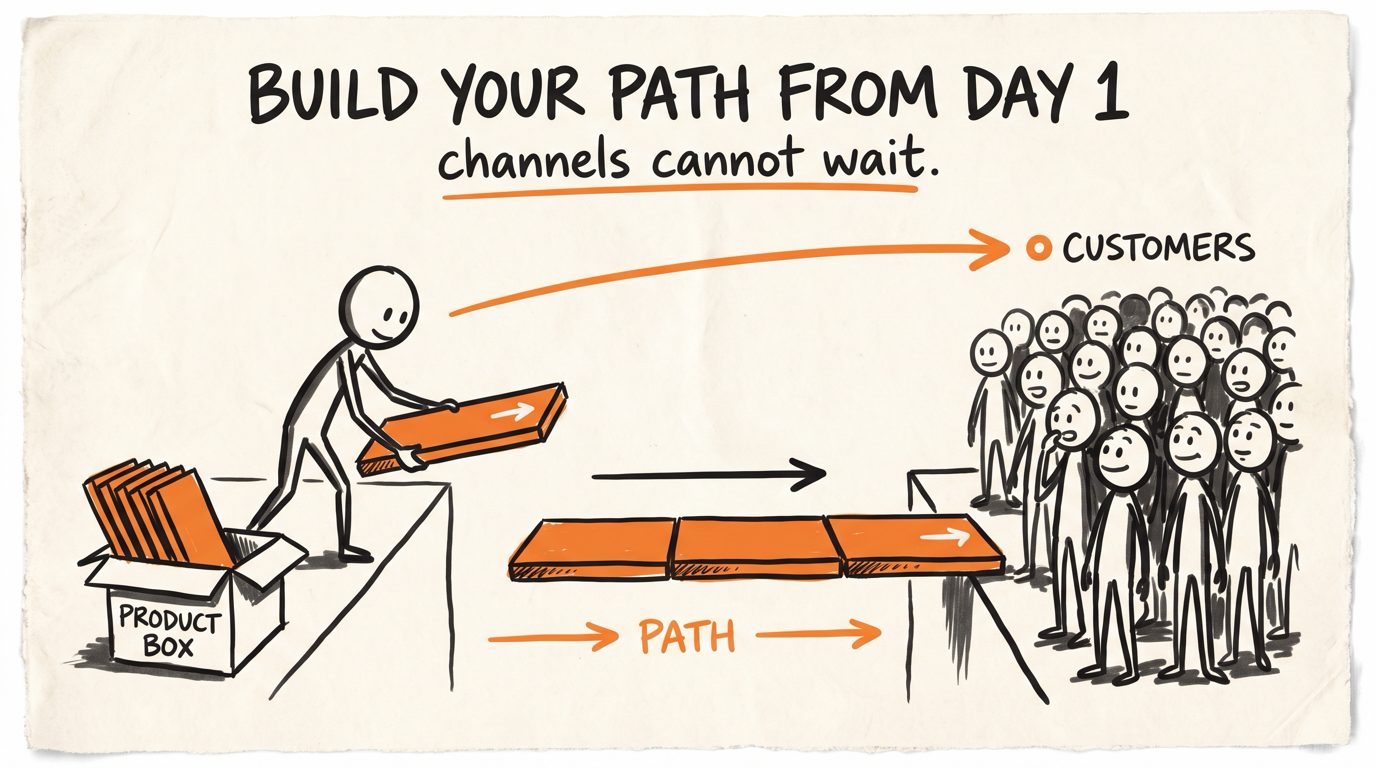
You may be building the best solution in the world, but if it’s built in a forest with no path to customers, it will die there too.
- Using a no-code (or wizard or oz) mvp is certainly a great tactic for speeding up solution…
The problem/solution fit process described in the post doesn’t start with a solution (at all) but getting that the customer/problem…
- First, if you can’t talk to customers, that’s a serious channel risk and probably the first domino…
Next, there are many tactics for disarming prospects and setting up initial interviews — where the goal isn’t pitching.
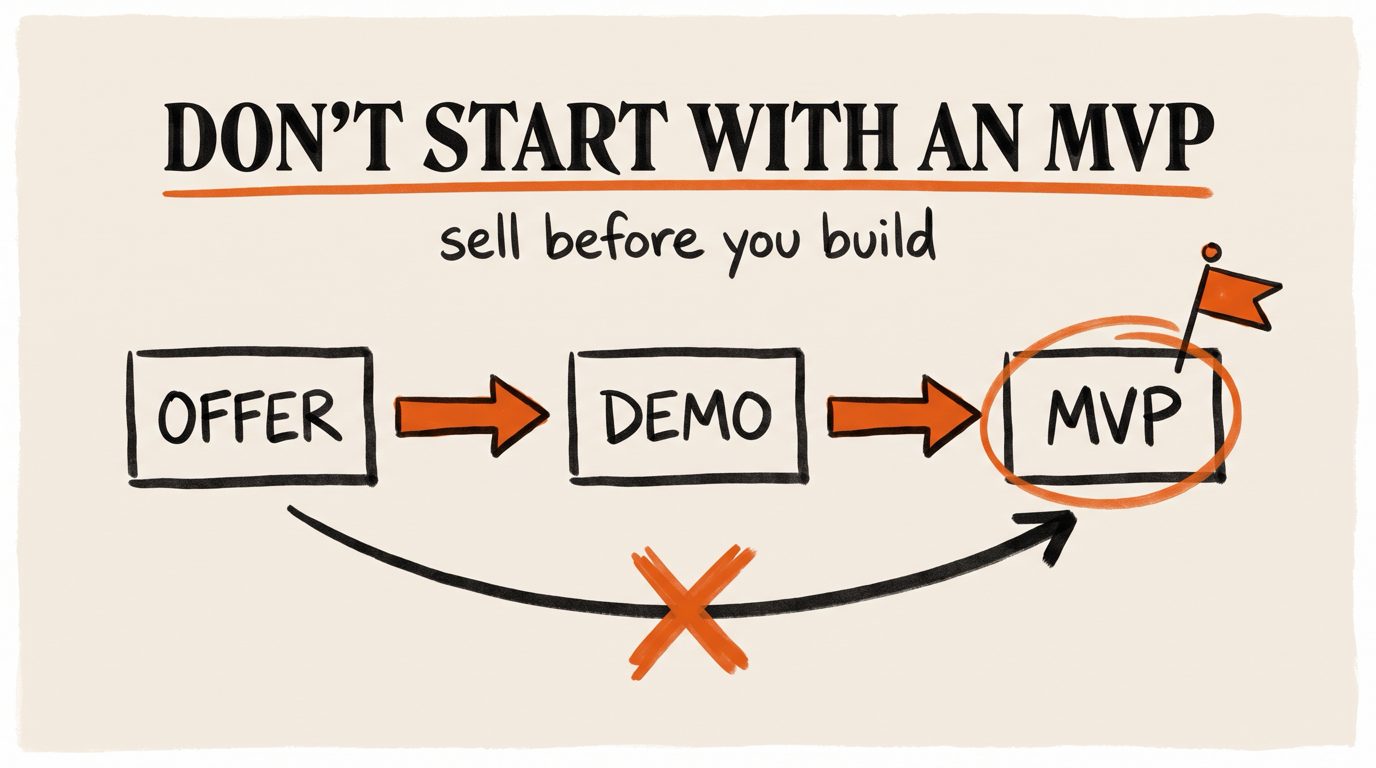
- Don’t Start With an MVP
It’s been a little over 18 months since Steve quit his day job and ventured out on his own. Even though, his savings ran out 6 months ago…
- First, viability (versus feasibility) tends to be what’s riskiest or hardest for most products.
If you are trying to sell a trip to Mars (or cure cancer, or …), it would be prudent to de-risk feasibility first to some level — making…
- Larry was going to be Mary but I didn’t have corresponding illustrations to match the character.
I will be pitting Eric Waterfall against Mary Lean though in my next storyline.
- Yes — substitute names that work. The archetype has a thousand names and faces :)
The aside backstory for why I picked two guys, is I already had these illustrations from my first book trailer and decided to reuse to ship…
- We all need a ballpark destination (vision) to aim towards, and a high level rollout plan…
A lot of Elon Musk’s latest initiatives push the envelope on science — hence the emphasis on first principles. The high-level and more…
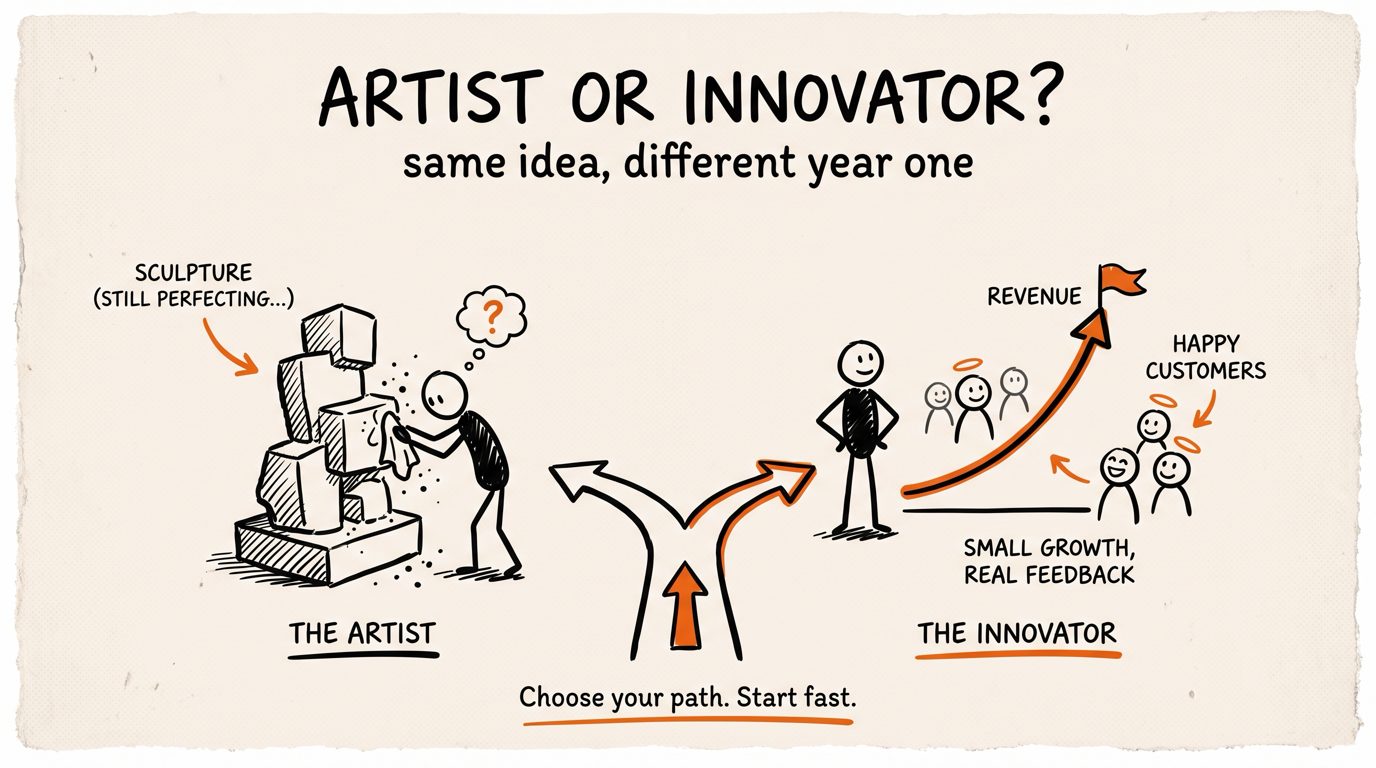
- The Artist and The Innovator
Over the last nine years, I’ve had the opportunity to work with thousands of entrepreneurs from all over world which has given me some…
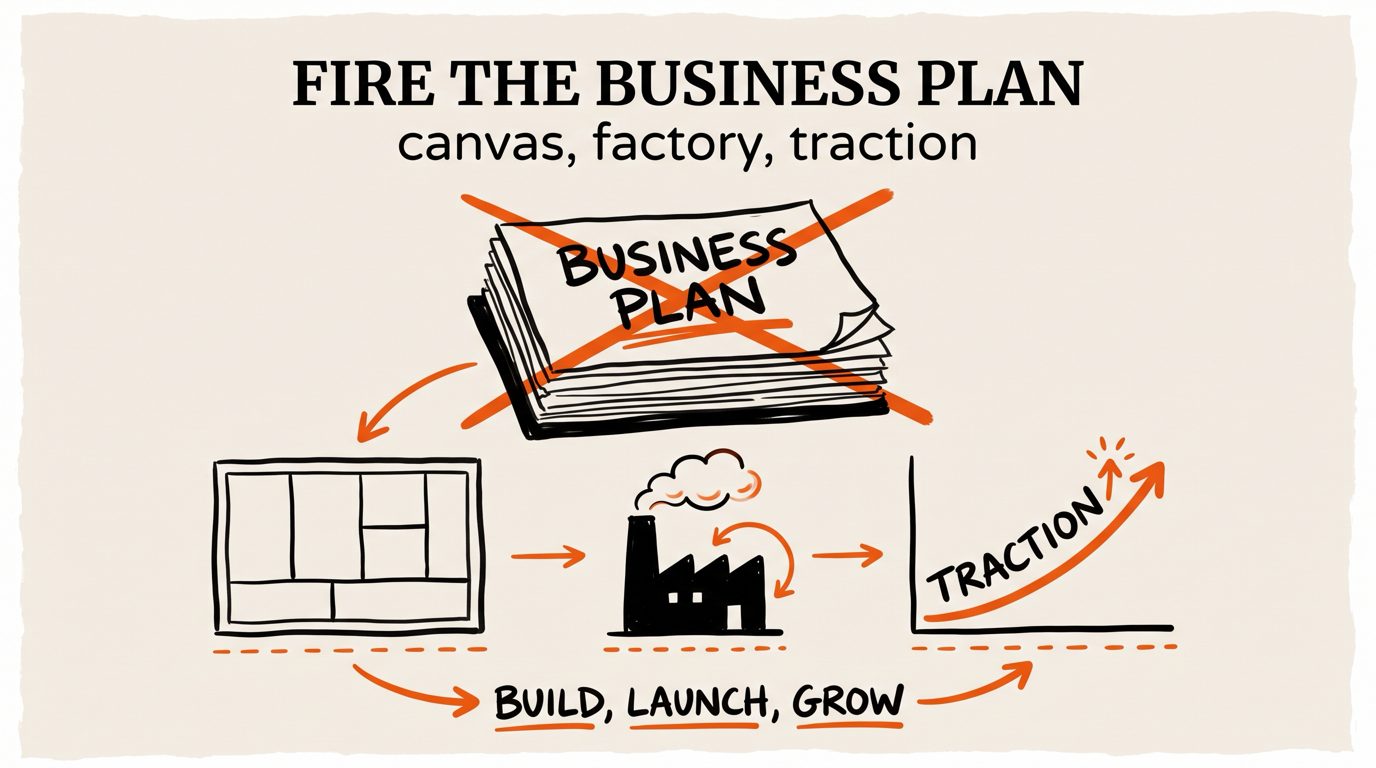
- A Lean Canvas is NOT Enough to Replace a Business Plan
Let me know if this sounds familiar… Say you have a promising new idea. In order to get the green light to move forward, you are often…
2017
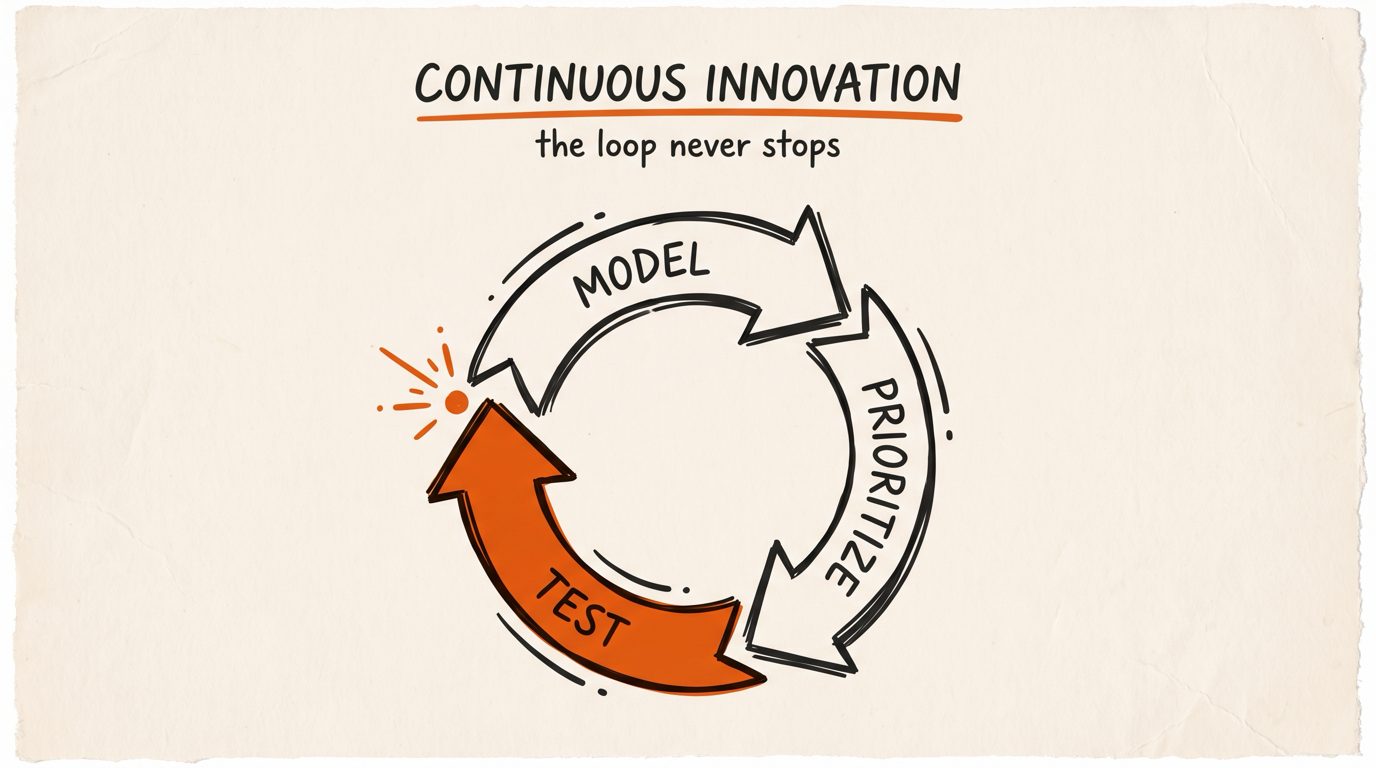
- Continuous Innovation
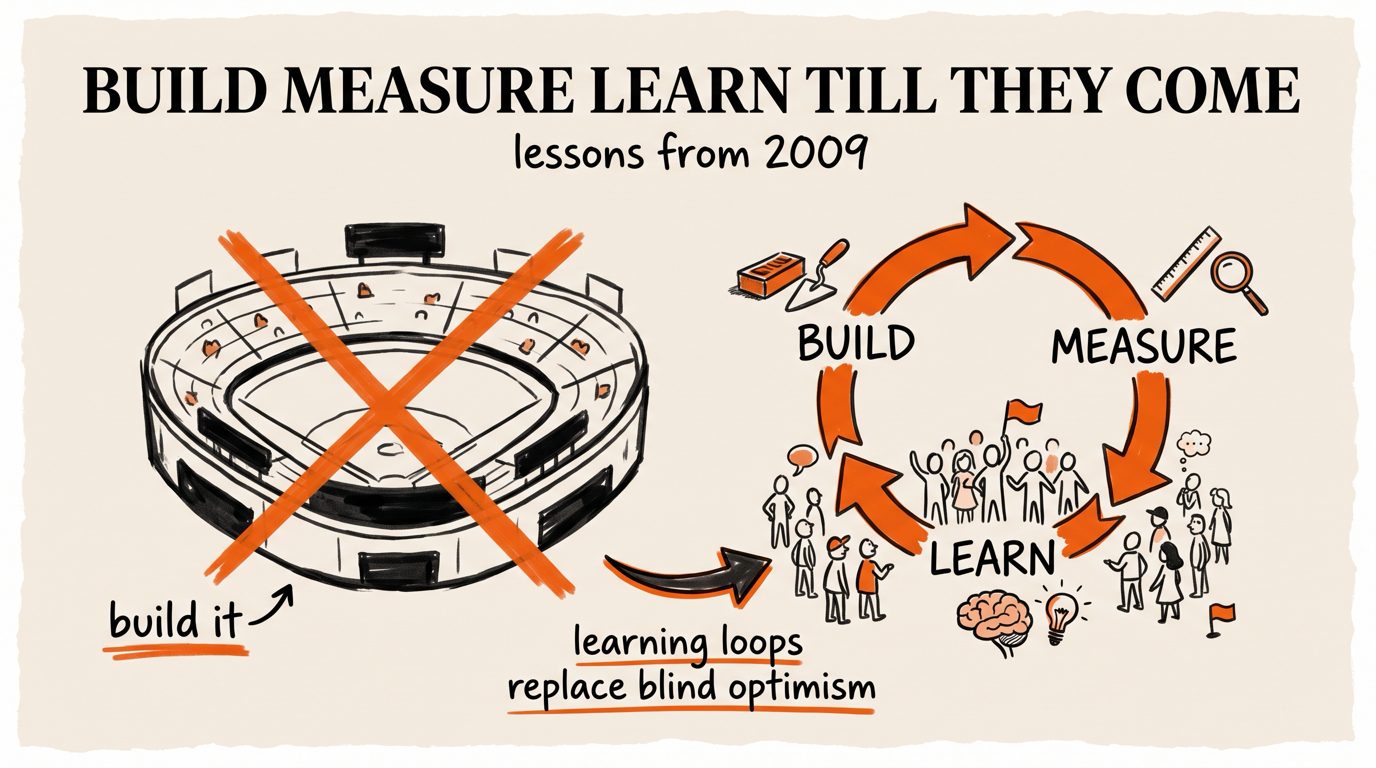
In 2009, entrepreneurs from all over the world joined in on a grassroots movement taking place that led to the Lean Startup. The reason the…
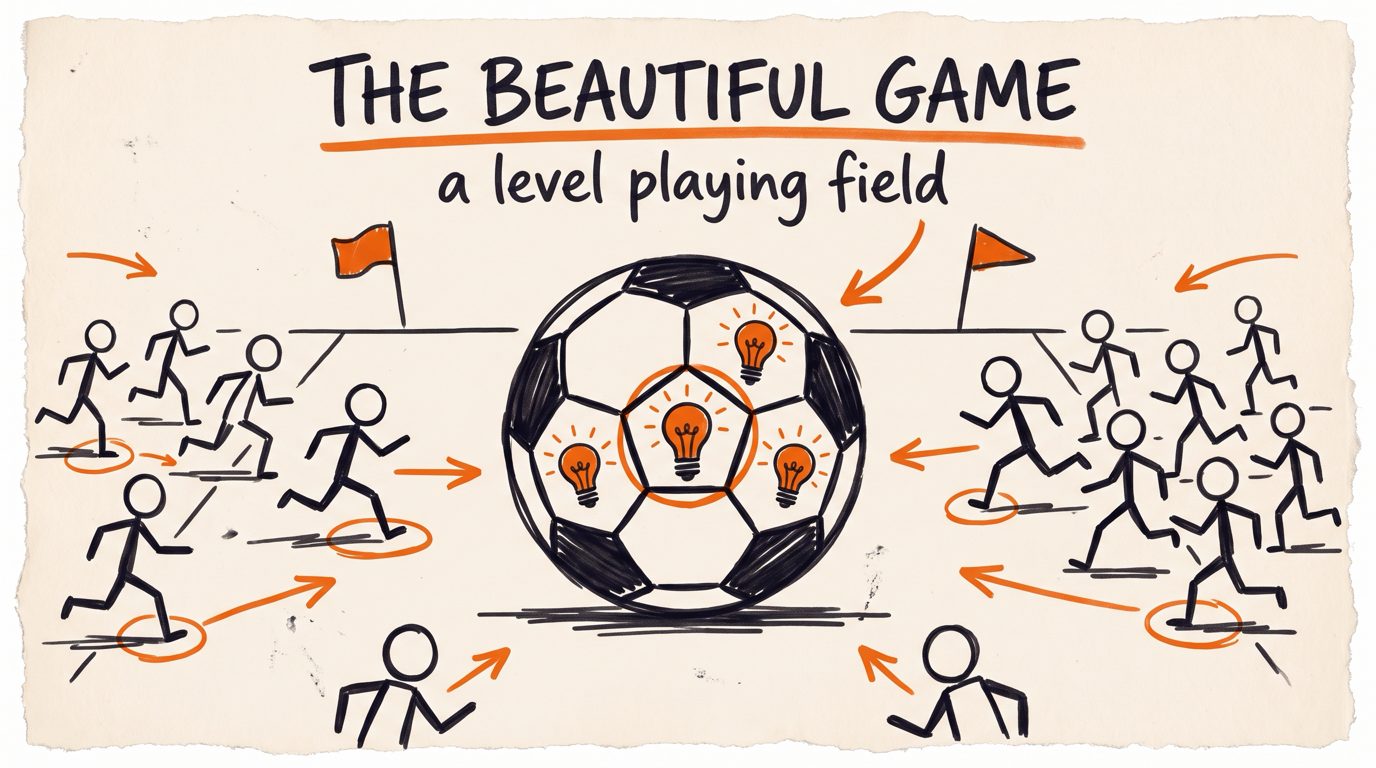
- The Beautiful Game of Entrepreneurship
Introducing the “BOOTSTART plan”
- Hi Andy — yes if you follow the post links back, you’ll see roots of this thinking in a workshop I…
I was starting my last book and needed to primarily focus on the ideas there and am now sharing how our application of jtbd has evolved…
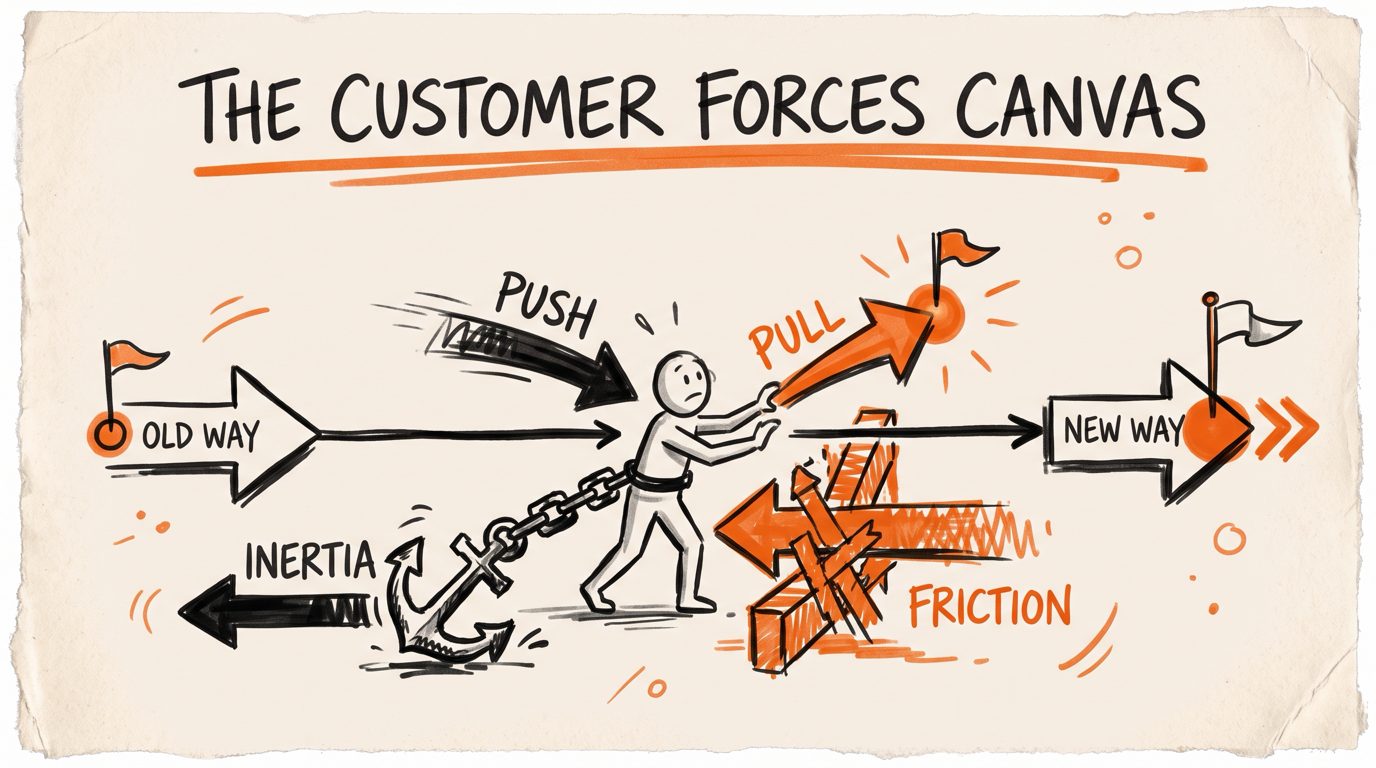
- The Customer Forces Canvas [Updated]
Here’s an updated version of the Customer Forces Canvas that I first introduced here:
- If you’re making a change that delivers a “better” value proposition, the outcome is customer…
If you’re making a change, like upgrading a phone system or internal network, that has no end-user facing impact, then they aren’t who you…
- A sample script will be forthcoming probably in a future post.
In the meanwhile, the way you get unbiased answers is by never asking future looking or hypothetical questions. I generally don’t care…
- Definitely… Observations/usability testing are all valuable techniques for researching/uncovering…
That said, observations typically only focus on the usage of an existing alternative (the ascent of the hill in the diagram) which is great…
- There are a number of challenges with ranking problems when uncertainty is high.
Your list of starting problems may not be the highest ranking problems. Asking customers to rank them anyway is a false positive. Most…
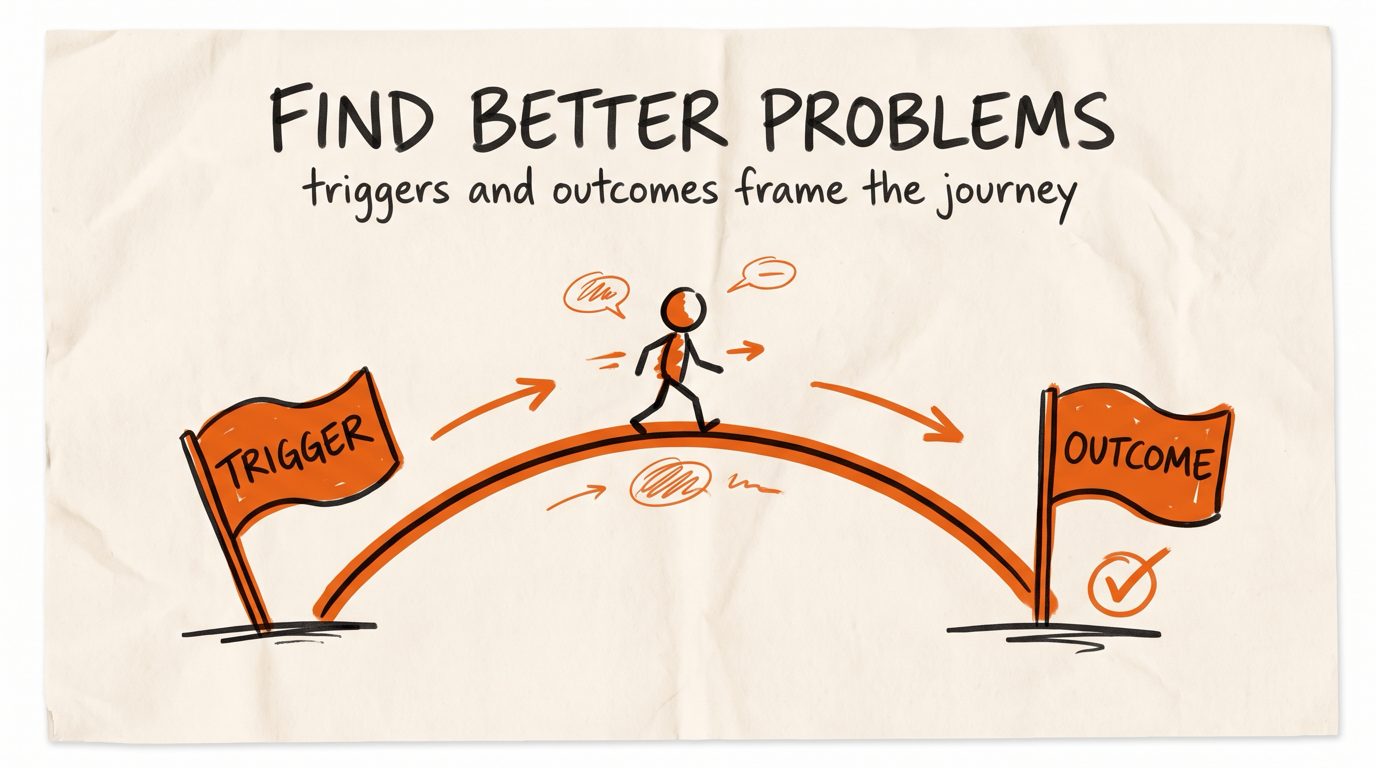
- Find Better Problems Worth Solving with the Customer Forces Canvas
Before you can build the “right” solution for your customers, you have to understand the “right” problem. In my first book, Running Lean, I…
- You are right and such is the complexity with marketplace models because monetizable value for the…
So while rate of transactions is more closely linked to revenue and the right traction metric, you still have to search for causal…
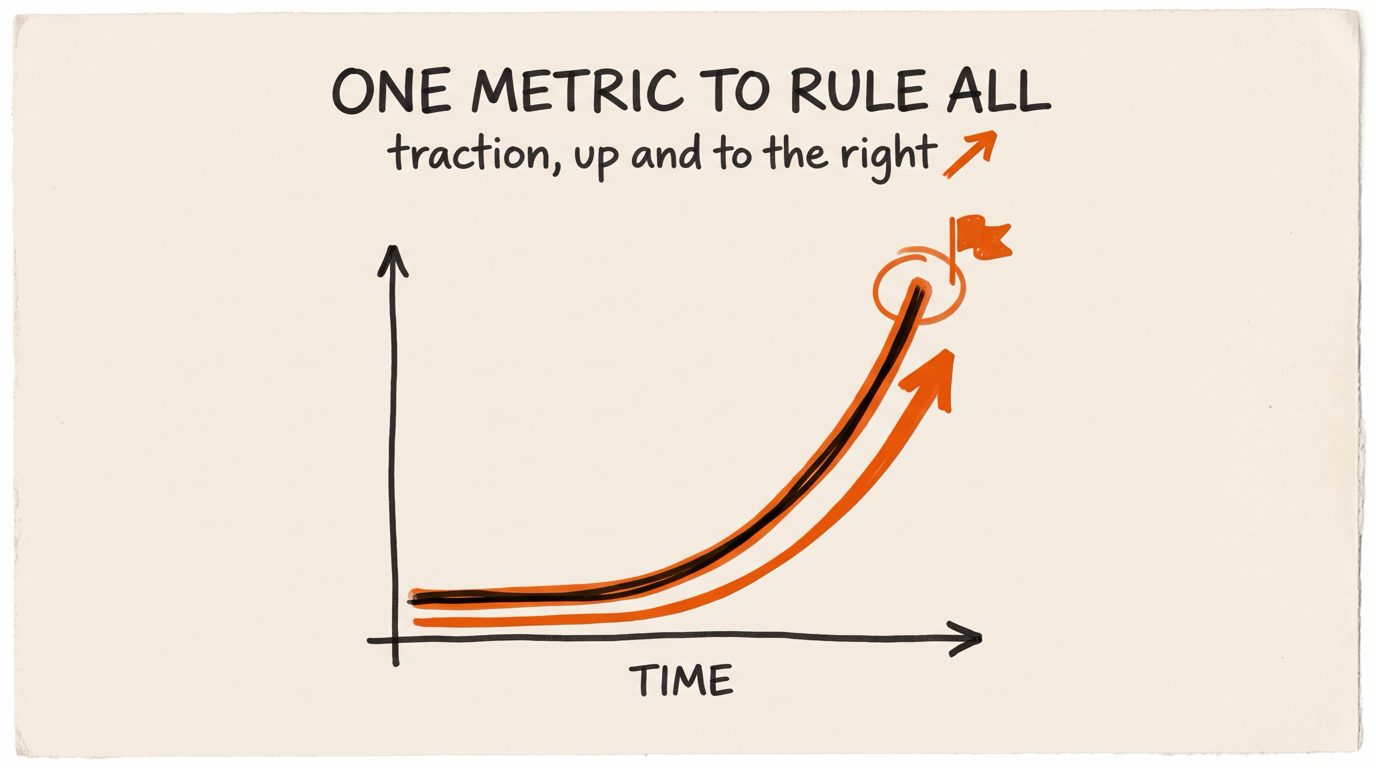
- Traction is the One Metric to Rule Them All
What is the one thing that investors and entrepreneurs want? The answer is traction.
- What is a Minimum Viable Product (MVP)
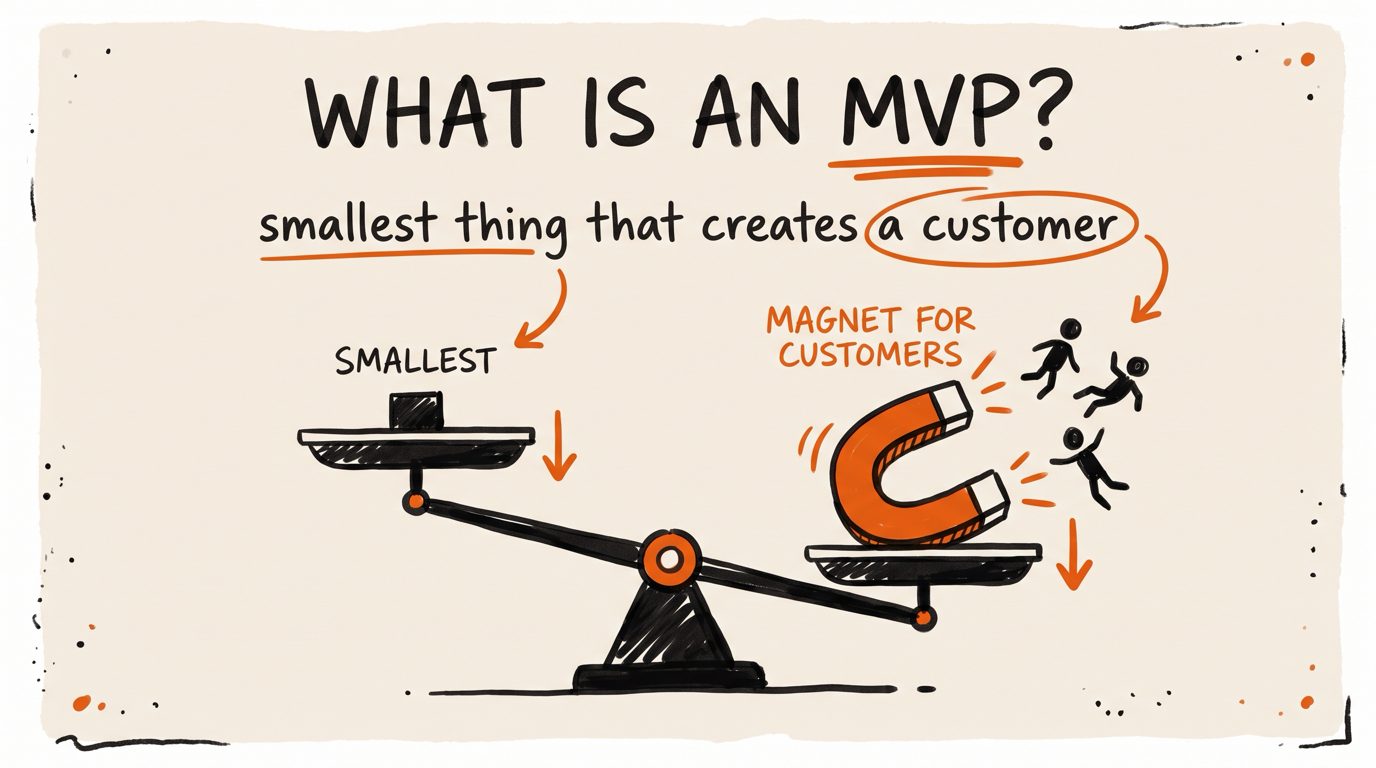
A Minimum Viable Product is the smallest thing you can build that delivers customer value (and as a bonus captures some of that value back…
- The good news is that both awareness of the innovation “problem” and sense of urgency have been…
Also, the value proposition of a lean approach is strong as it doesn’t call for more, but fewer resources, to get started.
- Estimating for break-even was the original suggestion I made in my first book Running Lean, but I…
I find a good goal needs to stretch beyond survival while not losing footing on reality either. Hence, the bottoms up approach.
- Yes — not just that, but strategy is a highly overloaded term and I did a post not too long ago…
For that reason, I am now using “validation plan” instead — at least whenever I remember… :)
- Great to hear Morten.
Cheers.
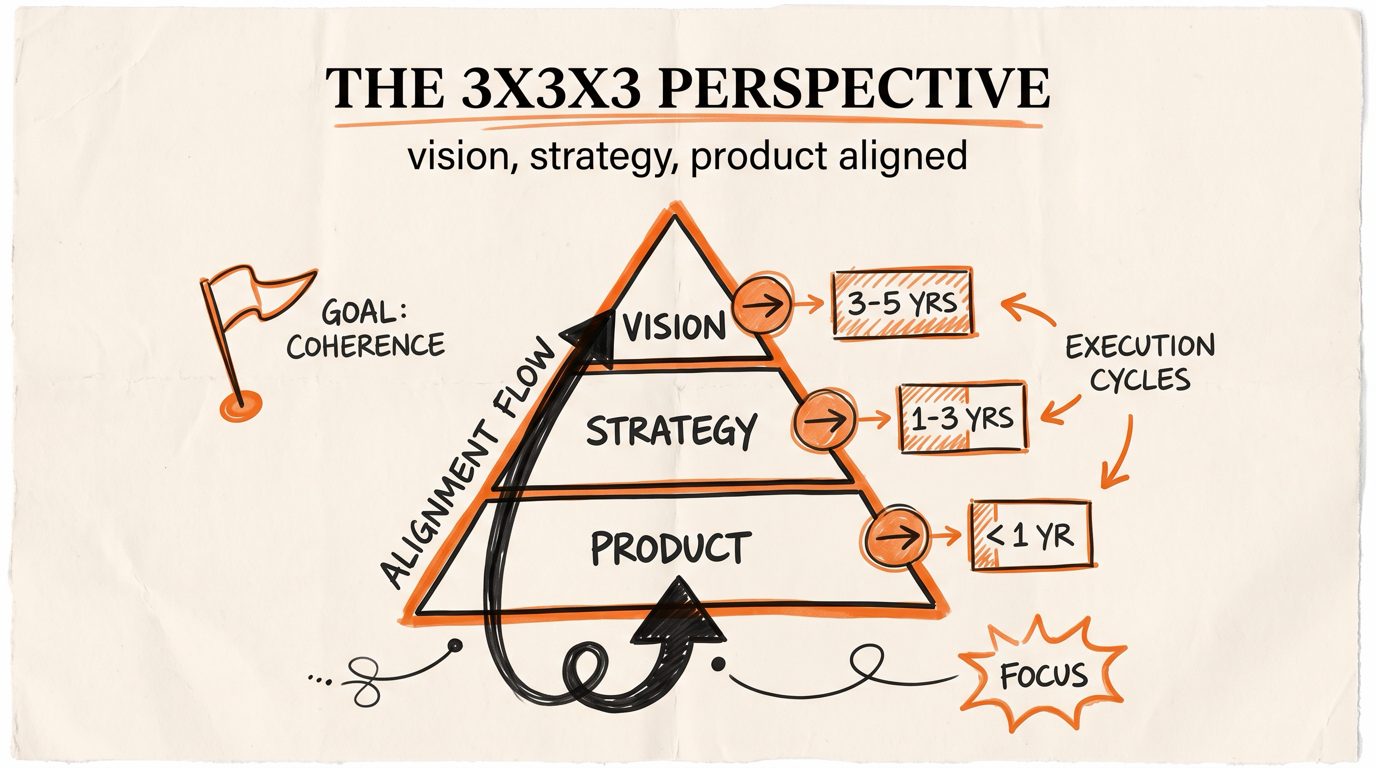
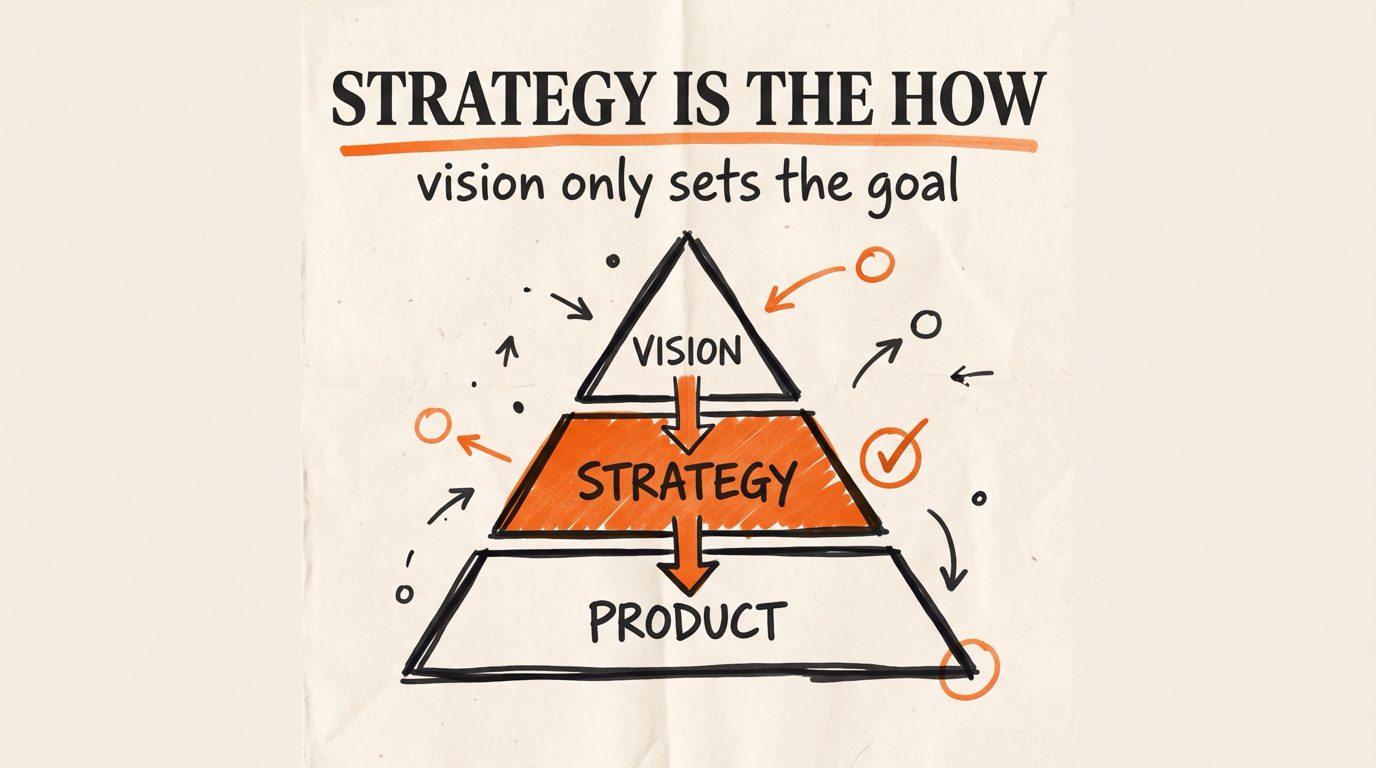
- A 3x3x3 Perspective for getting your Vision, Strategy, and Product aligned
I’m sure you’ve run into Simon Sinek’s TED talk on the Golden Circle where he made the case for how great leaders communicate differently —…
2016
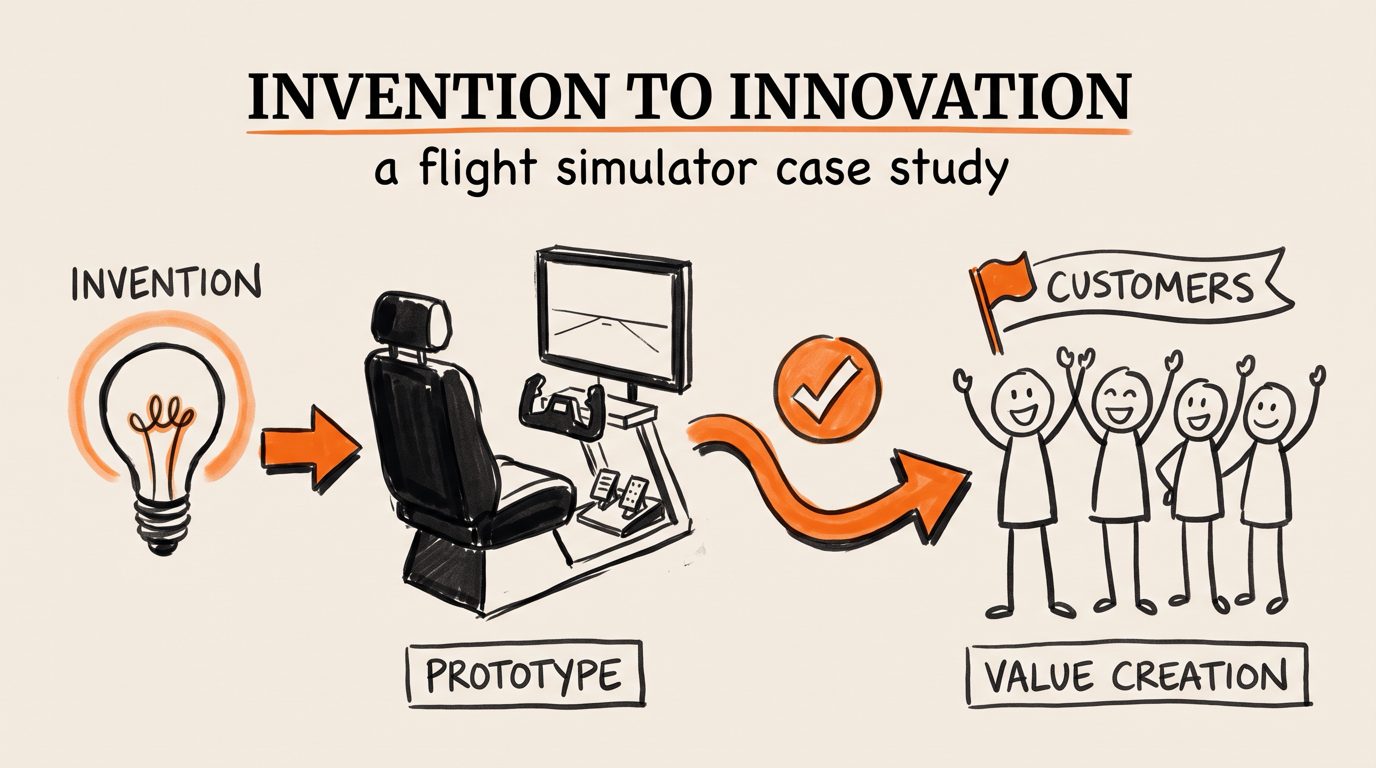
- VRMotion — An Invention to Innovation Case-study
It was almost 8:45am as we pulled into the Birrfeld airstrip just outside Zurich, Switzerland. I was meeting Fabian Riesen (Fabi) who had…
- Hi Brett —
There is a distinction between user acquisition and customer acquisition — and there’s a place for both.
- Yes, often a lot harder to write a shorter version than a longer one :)
I have internalized a lot of my systems thinking both from:
- The GOLEAN Framework for Growth
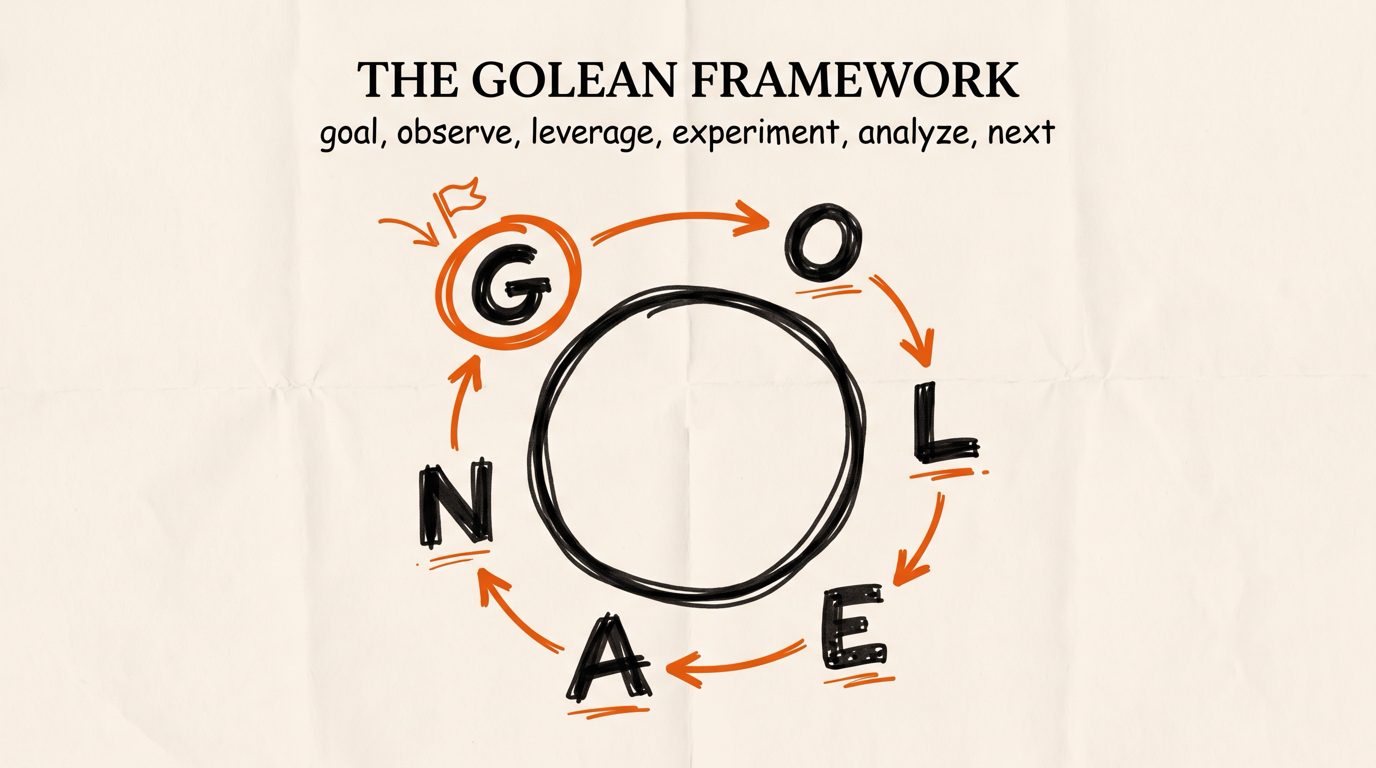
GOLEAN? No this isn’t some blatant battlecry for going lean. It’s a mnemonic for a growth framework I created for my last book: Scaling…
- It is better to be prescriptive and wrong, than vague and right
The worst possible answer you can get to a question is: “It depends.”
- I wouldn’t use being “vague” but being “open” as the right adjective here.
“The test of a first-rate intelligence is the ability to hold two opposed ideas in mind at the same time and still retain the ability to…
- First, “I don’t know” is far from being vague.
That said, even specific answers will always have lies baked into them — a function of the other party’s virtual reality worldview (or…
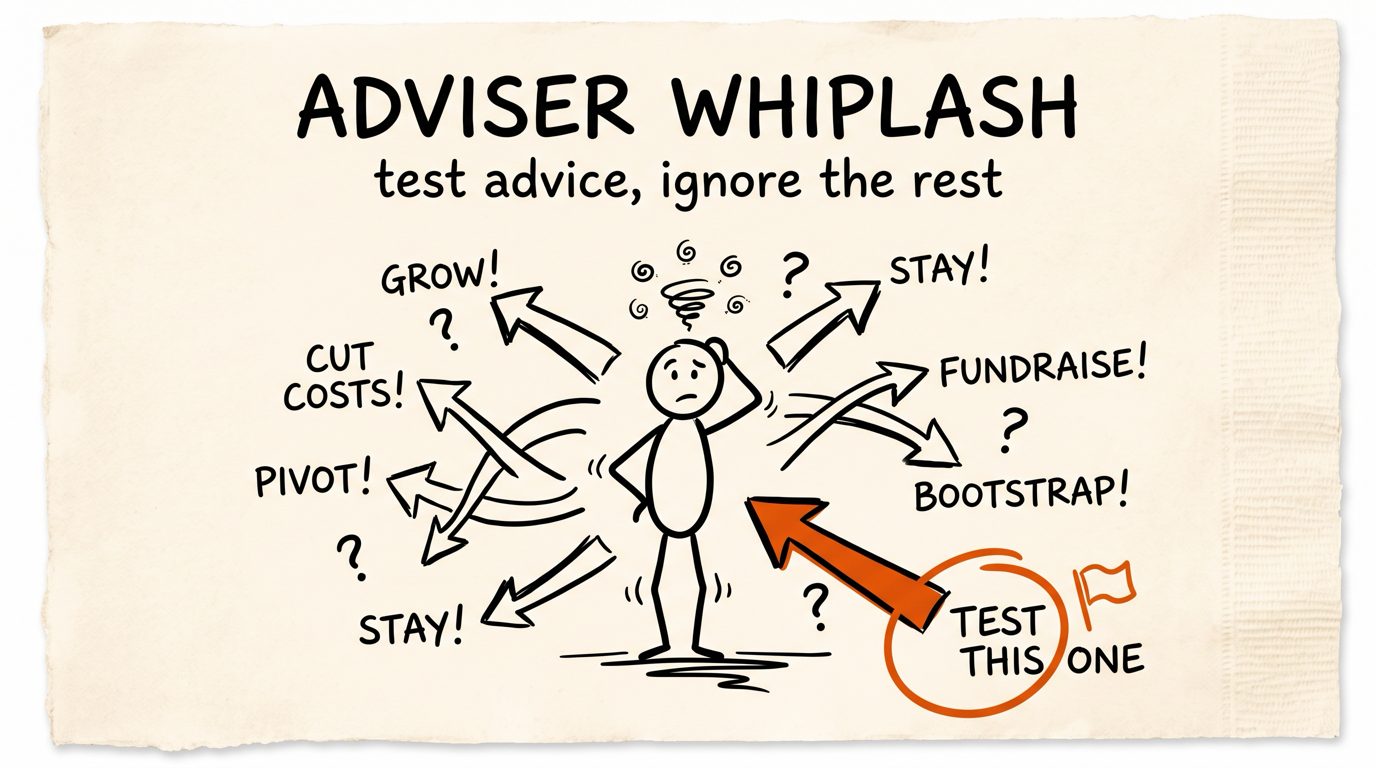
- Adviser Whiplash
Ask 10 people for advice on your idea and you’ll get 10 different prescriptions. Which one do you follow?
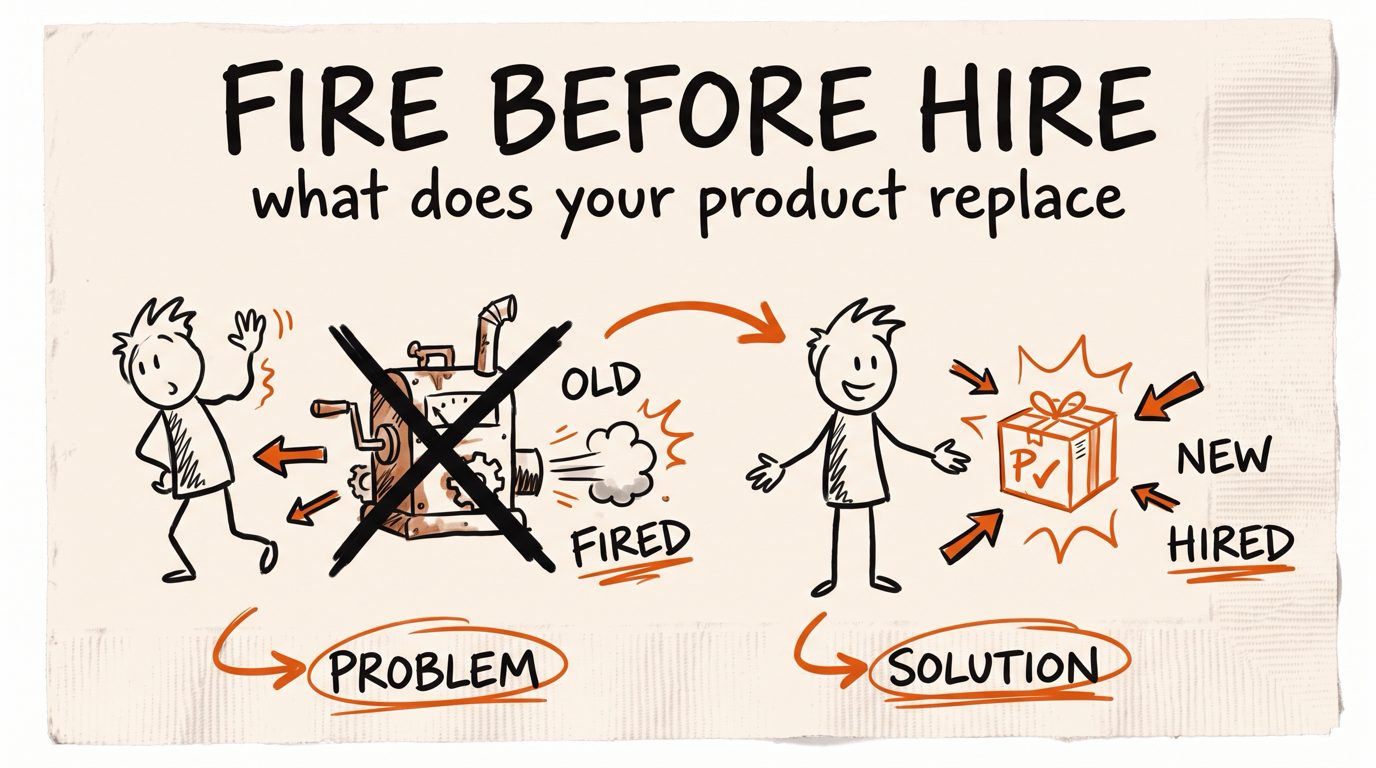
- Yes, getting a customer to fire their existing alternatives is tough which is why most new products…
Yes, in complex sales, the switch doesn’t happen solely on the merits of your products features but it’s still a switching problem — one we…
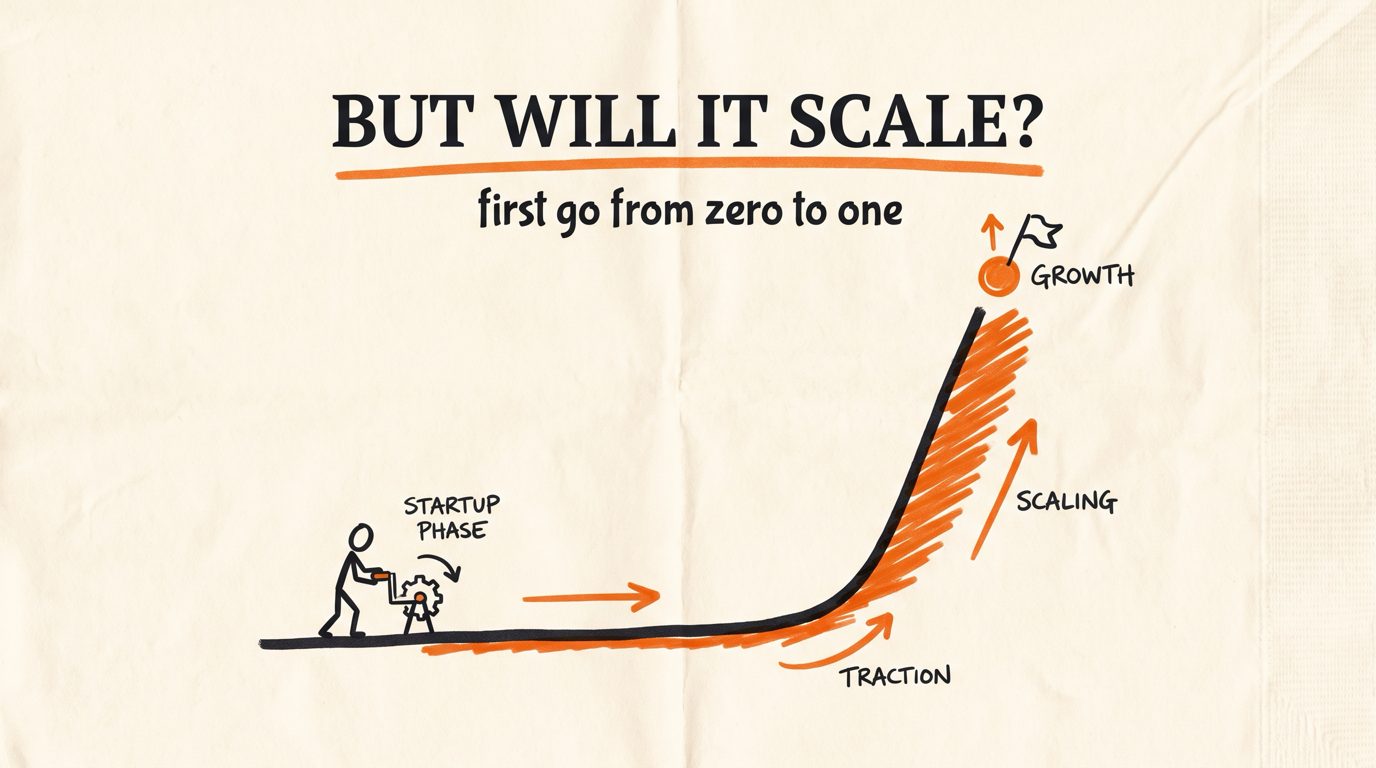
- But, Will it Scale?
When I started this blog, I often spent upwards of 8 hours on a single blog post. A number of my entrepreneur friends and advisers asked…
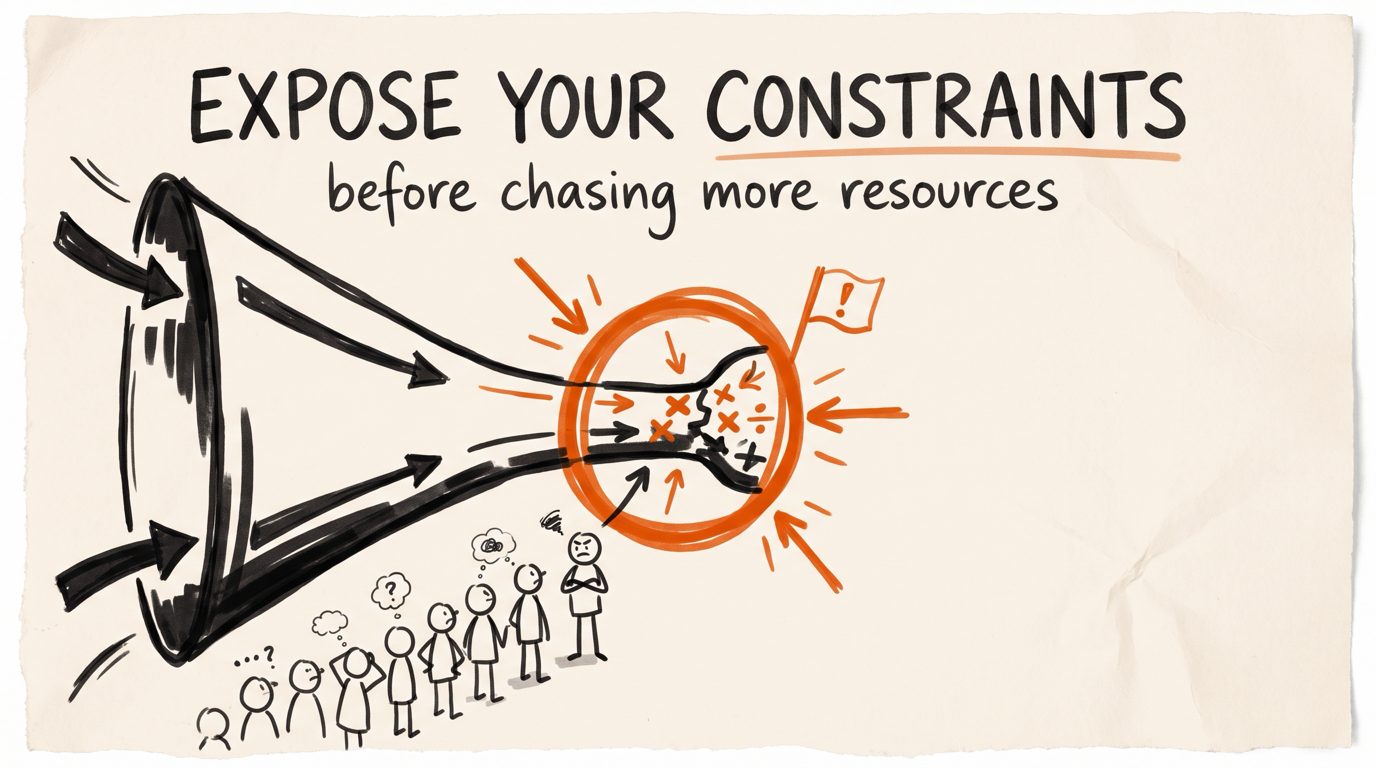
- Expose Your Constraints Before Chasing Additional Resources
We all hustle, struggle, and fight to acquire more resources for our projects. But ironically, when we have these resources in excess, we…
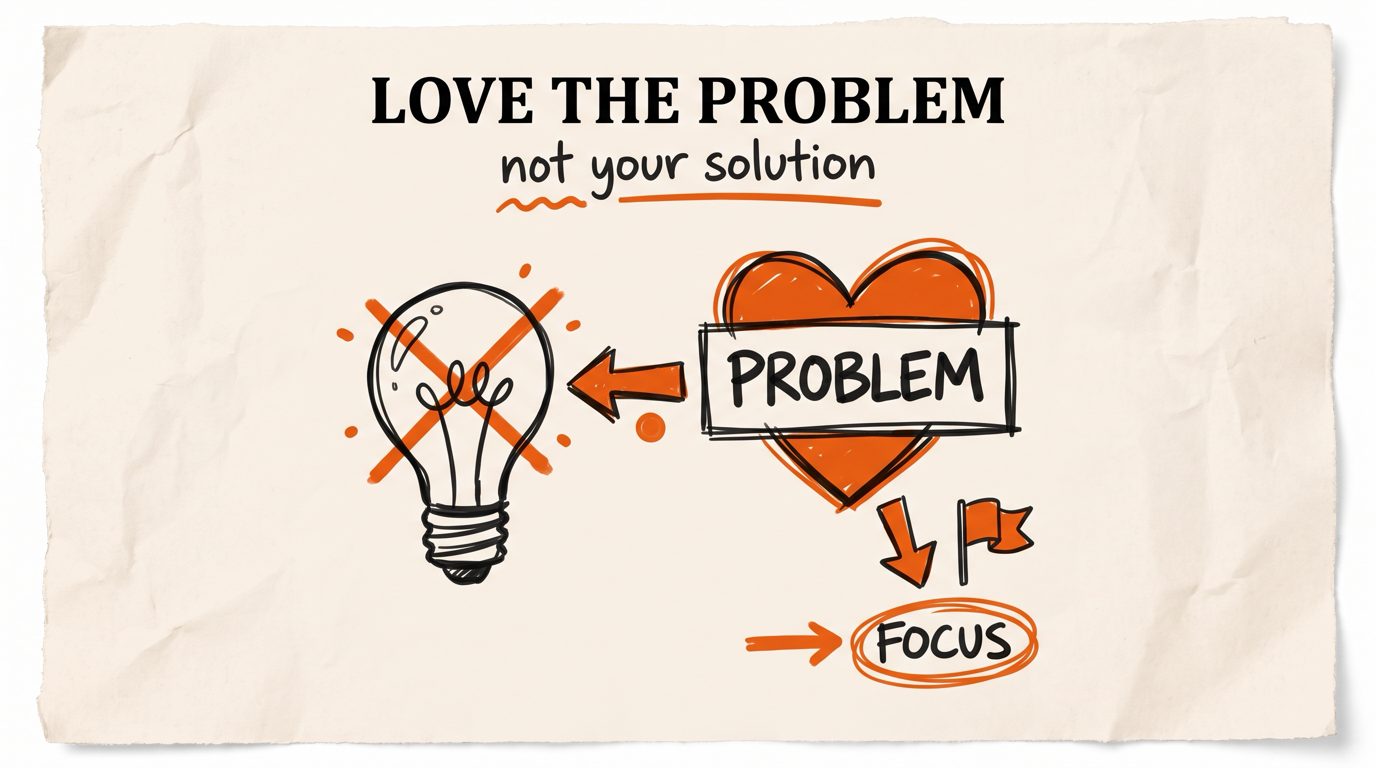
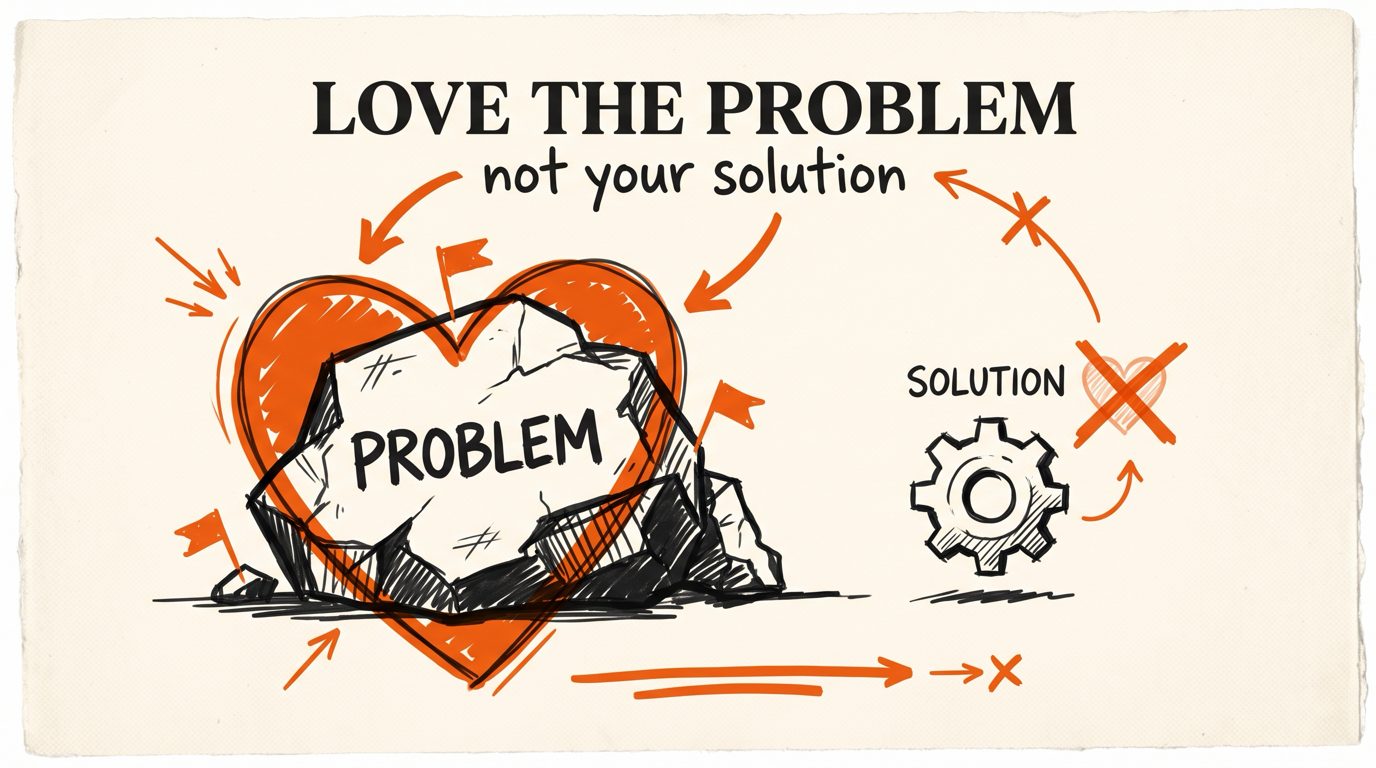
- Love the Problem, Not Your Solution
I recently got asked about the most common pitfall that trips up entrepreneurs. Top on my list is:Falling in love with your solution. I’ve…
-
-
-
-
- There were lots of signals for me:
I wasn’t energized after most customer conversations. They often didn’t get what I was saying and there was an obvious mismatch of…
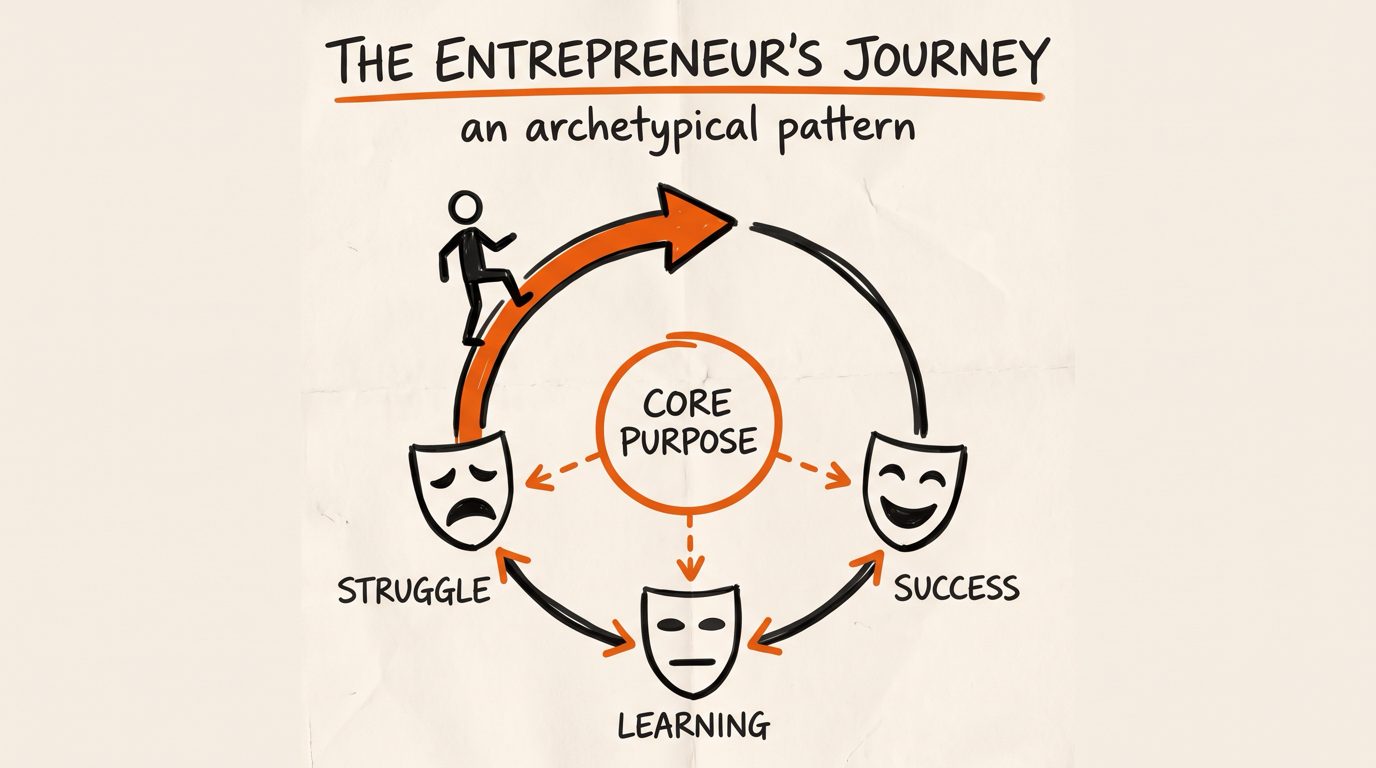
- The Entrepreneur with a Thousand Faces
An archetypical pattern to the entrepreneur’s journey…or not?
-
- Agreed.
That said given a set of possible paths, the problem still is: Which of these should we choose?
- Yousef —
Money isn’t the telling validation. It’s identifying the leading indicators (customer behavior) that lead to future monetization that’s way…
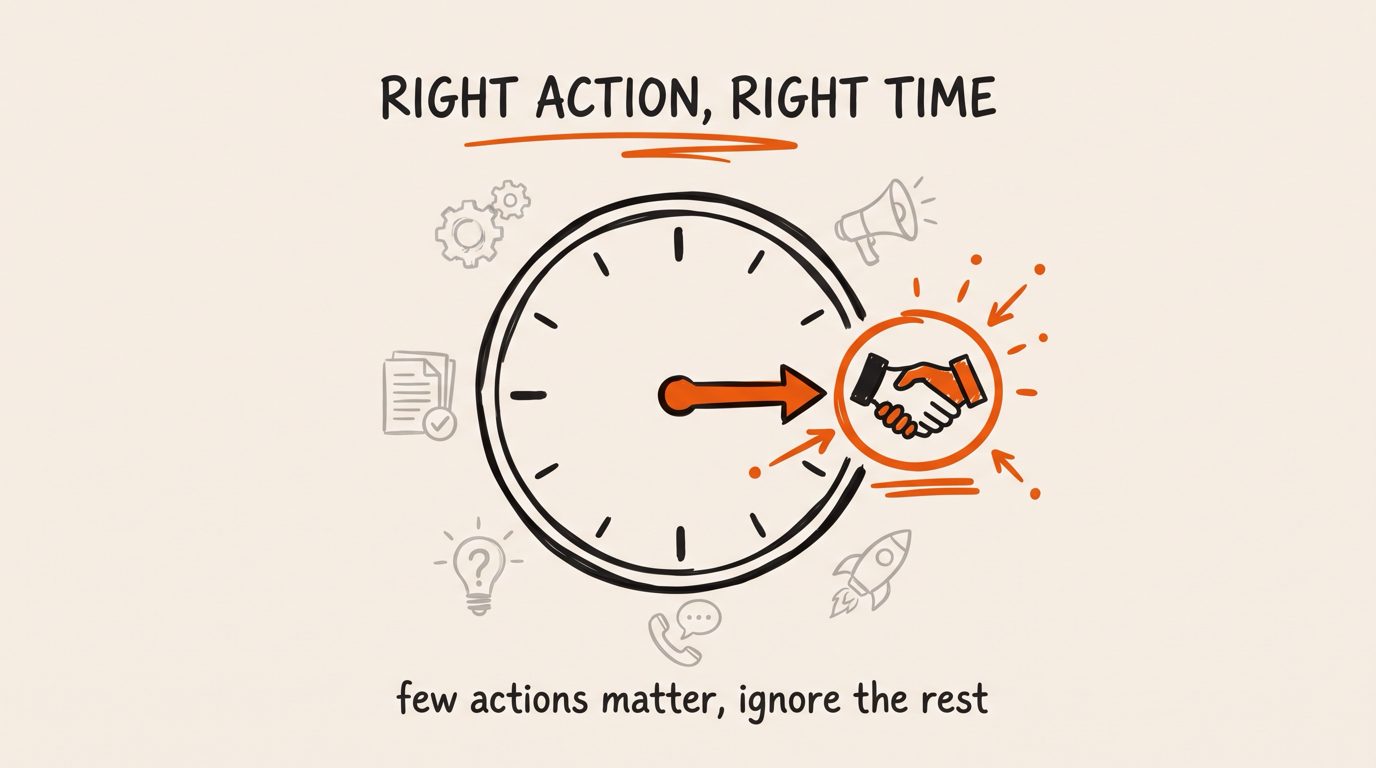
- My 3 Biggest Lessons on Entrepreneurship (so far)
Lesson 1: Right Action, Right Time
-
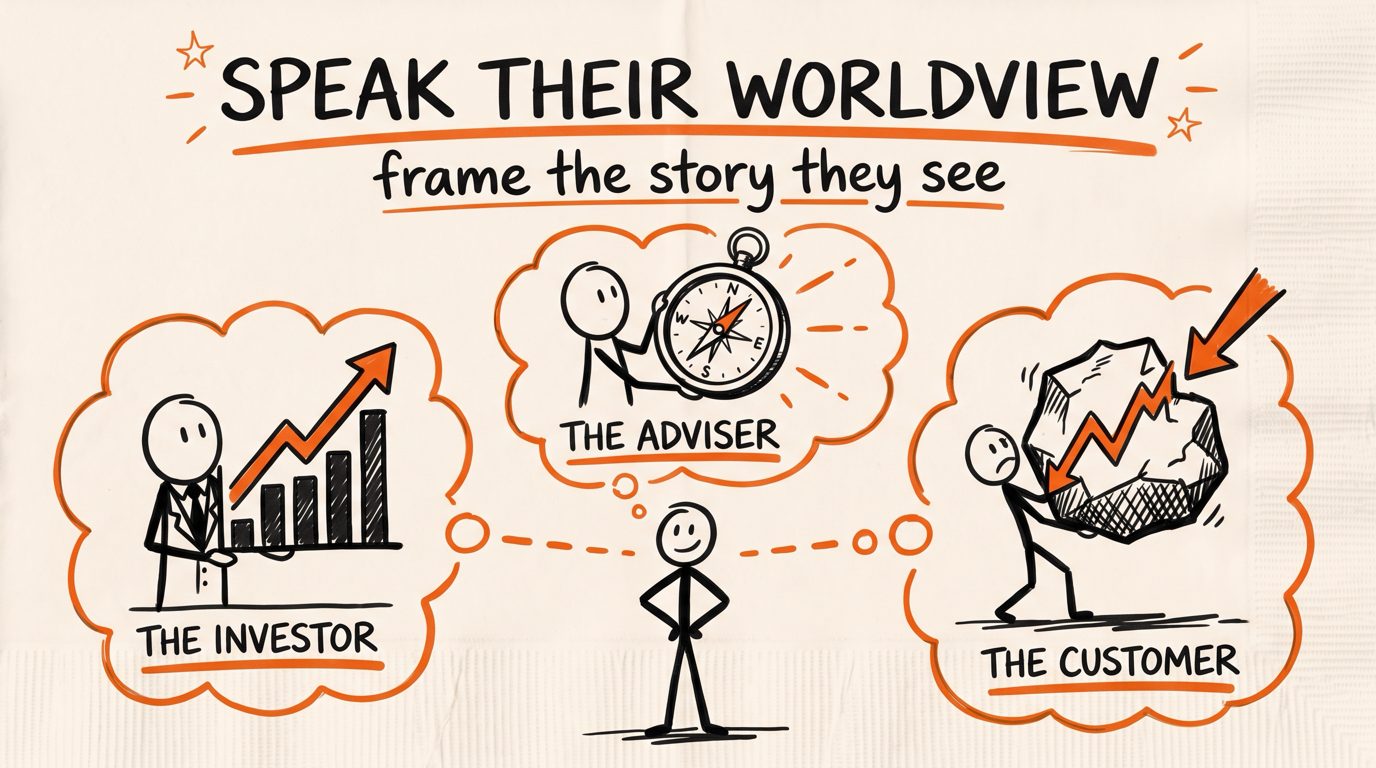
- The Different Worldviews of a Startup
In his groundbreaking book, “All Marketers are Liars Tell Stories”, Seth Godin defines a “worldview” as the set of rules, values, beliefs…
- Hi Jim — I’m a software guy myself and you starts with putting yourself in your customer’s shoes…
There are numerous observation and interviewing techniques to uncover this.
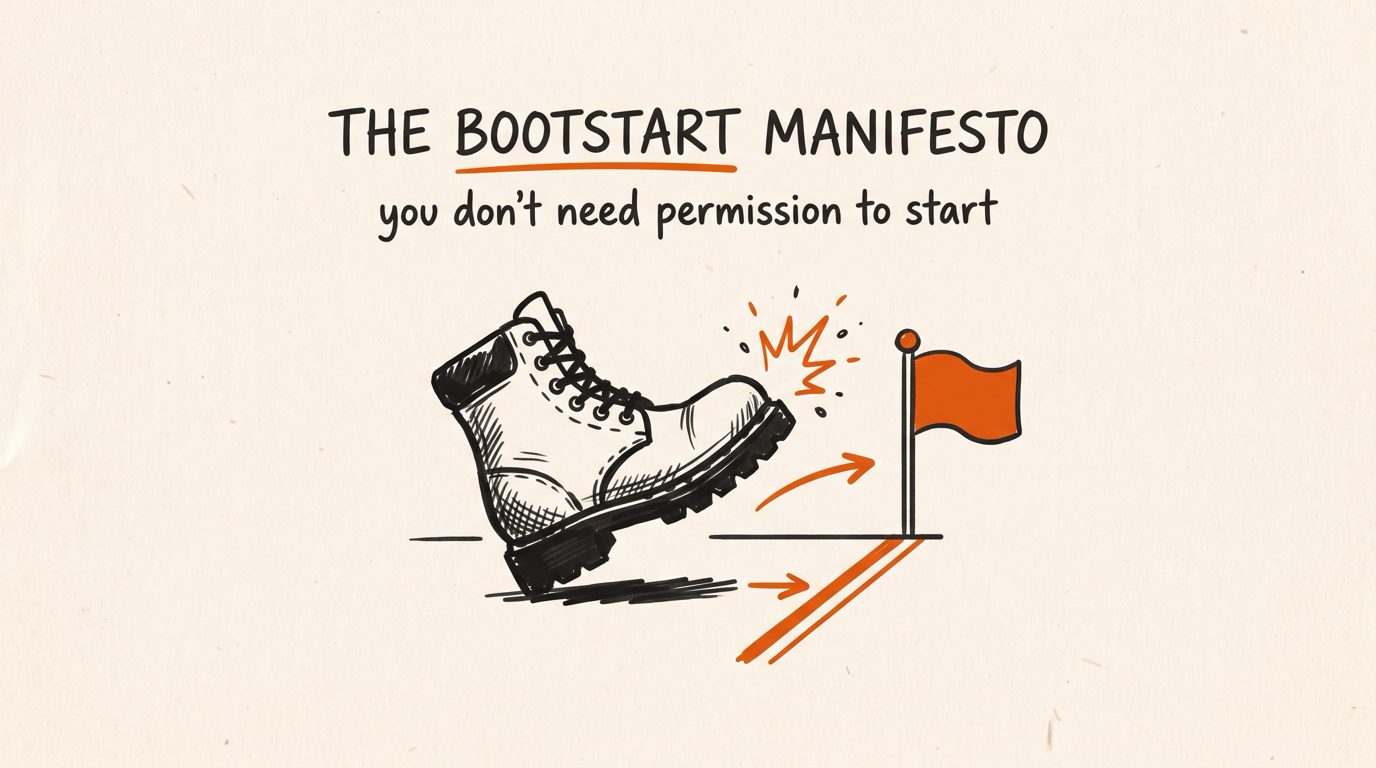
- The BOOTSTART Manifesto
There’s never been a better time to act on your “big idea”. And this manifesto will show you how.
- The Singularity Moment of Your Product
The singularity moment of a product is not when you write your first line of code or raise your first round of funding, but when you…
2015
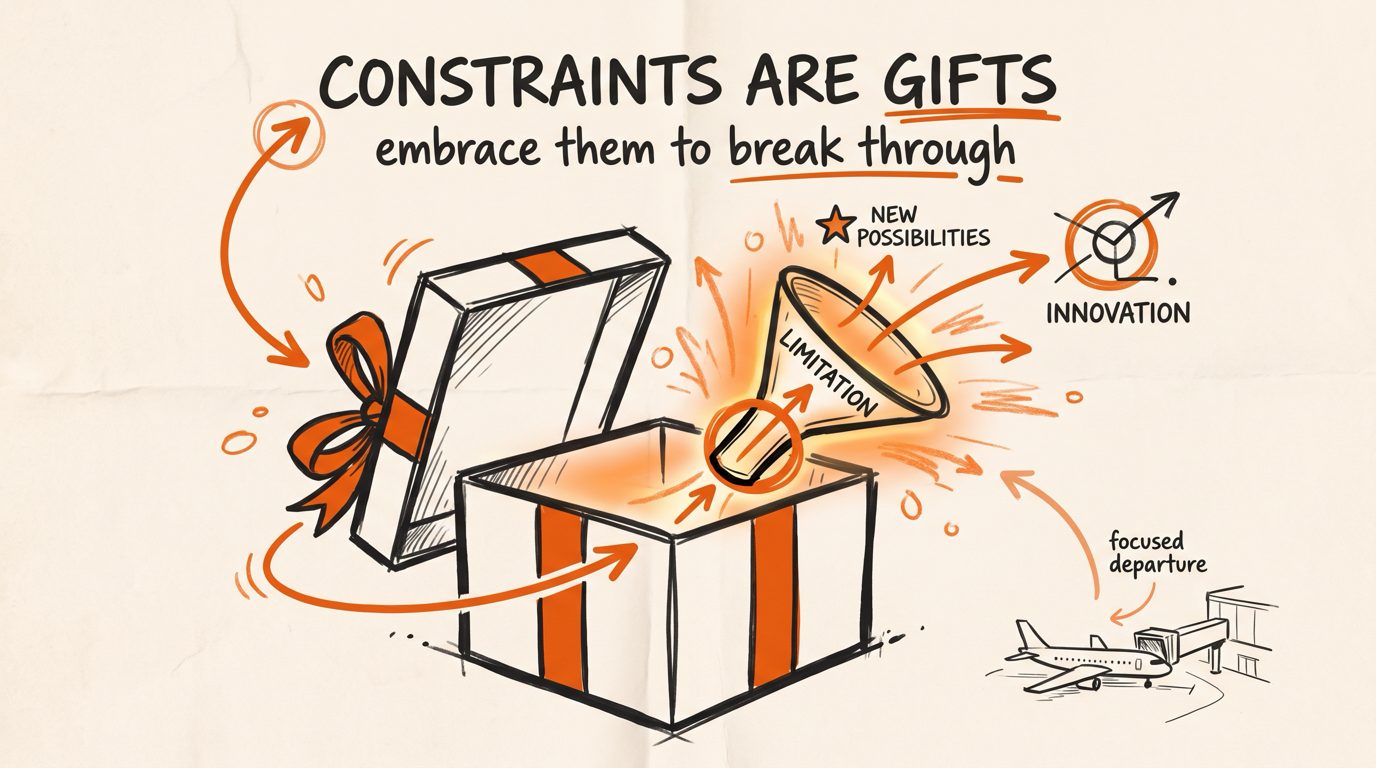
- How to Achieve Breakthrough by Embracing Constraints
In its early days, Southwest Airlines had to sell one of their planes or face bankruptcy. When most people get hit with a constraint of…
-
-
-
-
-
-
-
-
-
-
-
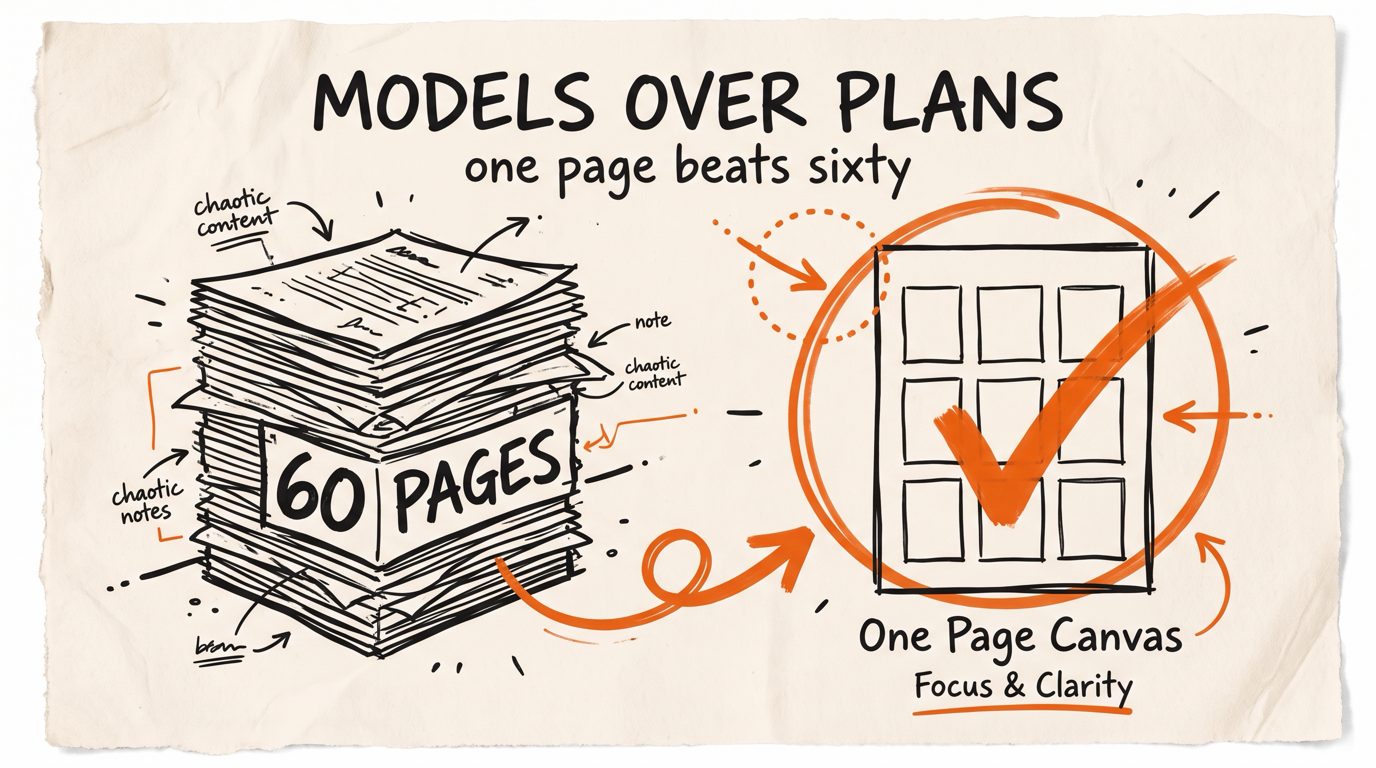
- Business Models vs Business Plans
Have you ever written a business plan? Did you enjoy the process? Or maybe you’re one of the lucky few who have never had to write one.
-
-
-